


The Rise of the Looser Silhouette
For years, menswear was dominated by sharp, slim, and narrow cuts. But watch any recent Paris Fashion Week show, and you’ll see the pendulum has swung dramatically. Designers from established houses like Dries Van Noten to cult favorites like Rick Owens
are exploring volume. This isn’t about a return to the baggy chaos of the ‘90s. Instead, it’s a sophisticated conversation about comfort, shape, and silhouette. The modern man’s wardrobe is no longer confined to spray-on denim and tailored blazers that pull at the shoulders. Today, it’s about embracing ease. But that ease comes in two distinct flavors: the approachable “intentionally relaxed” fit and its more dramatic cousin, the “oversized” statement piece. Knowing which is which is the key to pulling it off.
The Art of 'Intentionally Relaxed'
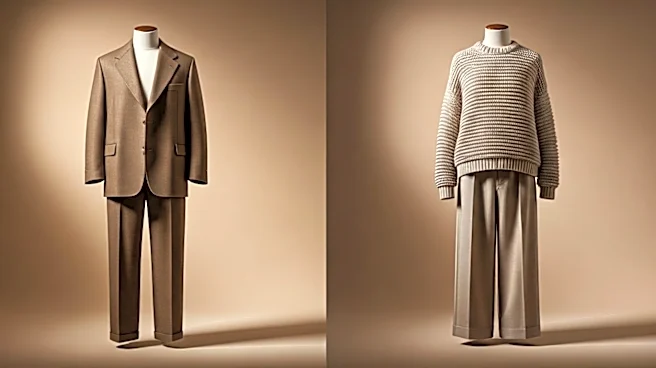
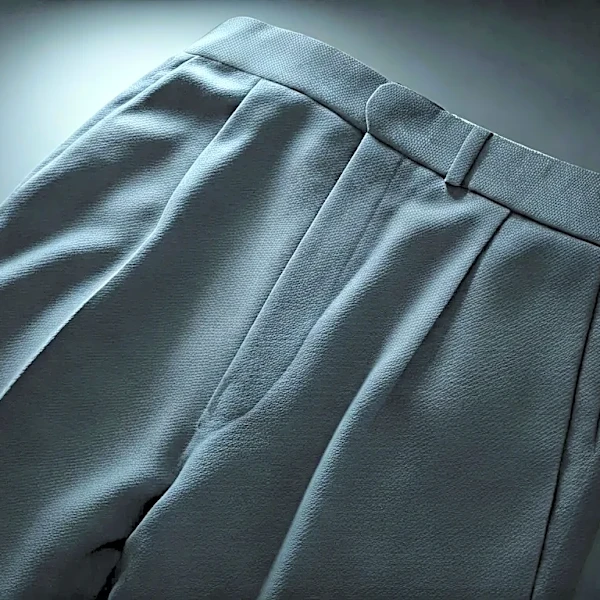
Think of “intentionally relaxed” as a calibrated exhale. It’s not about sizing up; it’s about choosing a garment designed with ease and movement in mind. The goal is sophisticated comfort. A relaxed-fit blazer will have a softer, deconstructed shoulder that falls naturally, rather than a sharp, padded one. Trousers will have a wider leg and a longer break, allowing the fabric to drape and pool elegantly around the ankle. It’s a look mastered by brands like Lemaire and AMI Paris, where the clothes are meant to flow with the body, not constrict it. The key is proportion. A relaxed piece is often balanced with something more traditional. For example, a flowing, wide-leg trouser might be paired with a neatly tucked-in shirt or a fitted knit. The overall effect is effortless, not overwhelming. The fabric is often key, too—think lightweight wools, silks, and fluid Tencel that have natural movement.
The Statement of 'Truly Oversized'
If relaxed is an exhale, oversized is a proclamation. This is where designers intentionally distort and exaggerate proportions to create a bold, architectural statement. It’s less about everyday comfort and more about avant-garde expression. An oversized piece isn’t just a large version of a normal garment; it's a complete re-engineering of its shape. Shoulder seams on a coat might drop halfway down the bicep. Sleeves might extend well past the fingertips. The entire garment might be constructed from a stiff, structural material designed to hold its voluminous shape, rather than drape. Think of the monumental outerwear from Balenciaga or the theatrical, floor-sweeping silhouettes from Rick Owens. Wearing oversized is a commitment. It often involves layering voluminous piece on top of voluminous piece, creating a look that’s meant to be challenging and memorable. It’s fashion as art, and it requires a healthy dose of confidence to pull off.
Three Ways to Spot the Difference
So, when you’re looking at a piece on a rack or a runway, how do you tell if it’s deliberately relaxed or just plain big? It comes down to three details. First, check the shoulders. An intentionally relaxed jacket will have a shoulder seam that sits just off your natural shoulder point. A piece that’s simply too big will have a seam drooping awkwardly down your arm, creating a sloppy, ill-fitting look. Second, look at the finishing. A well-designed oversized or relaxed piece will still have considered details. The cuff on a wide-leg pant will be properly hemmed. The sleeve of a voluminous coat will be finished with a functional button or a clean edge. Poor fit is accidental; intentional volume is purposeful, right down to the last stitch. Finally, consider the balance of the overall outfit. An intentionally relaxed silhouette is often grounded by a more fitted element elsewhere. A truly oversized look, as seen in Paris, commits fully to the volume. If an outfit just looks big all over without a clear point of view, it’s likely just a case of poor sizing, not a deliberate style choice.