


First, What Exactly Is 'Dad Style'?
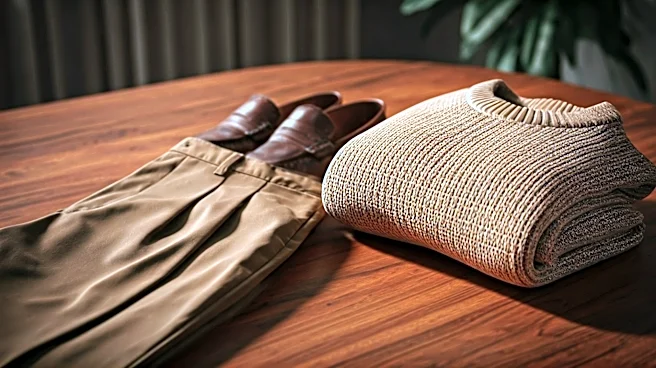
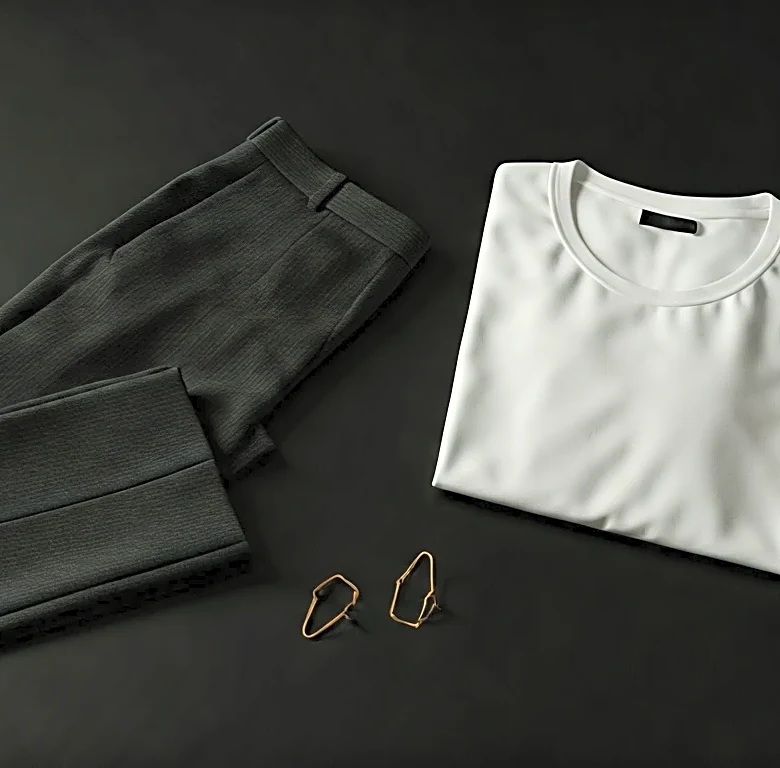
Before we unpack the why, let's define the what. "Dad style" isn't a single item but a whole aesthetic universe built on a foundation of practicality and a seeming indifference to fleeting trends. Think of pleated trousers, which offer more room for movement
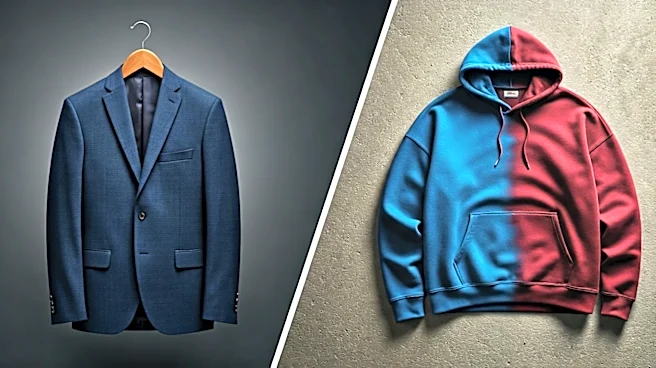
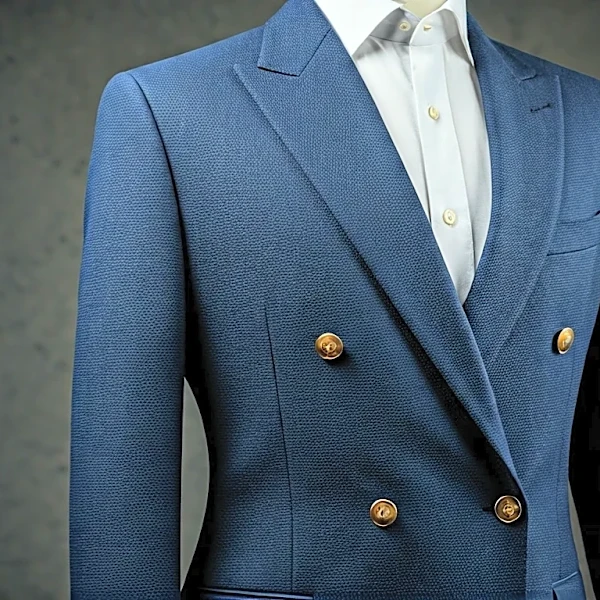
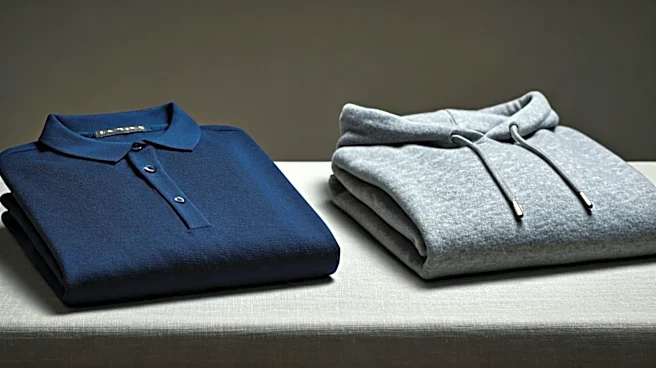
than their flat-front cousins. Picture the chunky, orthopedic-looking sneakers—like the New Balance 990 or the classic Nike Air Monarch—designed for support, not just for show. It’s the realm of half-zip fleeces, oversized blazers with soft shoulders, tube socks pulled high, and baseball caps with logos for things that aren't fashion brands. For decades, this was the uniform of suburban fathers, a look synonymous with mowing the lawn or manning the grill. It was comfortable, reliable, and profoundly, almost defiantly, uncool. Until, suddenly, it wasn’t.
The Post-Pandemic Quest for Comfort
One of the biggest drivers behind the dad-style renaissance is our collective shift in priorities. After years of lockdowns and remote work, the social contract around what constitutes “appropriate” clothing has been rewritten. Comfort is the new currency. We traded our hard pants for sweatpants, and we’re not eager to go back to being constricted. Dad style is the perfect middle ground. It’s more put-together than pajamas but retains an essential ease. Pleated pants are roomy. A vintage-style windbreaker is light and practical. A good pair of cushioned sneakers makes walking through the city feel better. This isn't just about looking relaxed; it's about a deep, cultural yearning to *feel* relaxed in our clothes after a period of intense global anxiety. The dad aesthetic is, at its core, a uniform of low-stakes living.
Nostalgia as a Form of Armor
For Millennials and Gen Z, who are driving the trend, this isn't their first go-around with these clothes—it’s an inherited memory. The style evokes a pre-9/11, pre-internet-saturation era that, at least in hindsight, feels simpler and more stable. Wearing a faded college sweatshirt or a pair of light-wash jeans like the ones your dad wore in 1995 is a form of sartorial nostalgia. It's a way to connect with a past that feels more authentic and less curated than our current digital lives. In a world of fast fashion and micro-trends dictated by TikTok algorithms, the durable, timeless quality of a well-made fleece or a classic leather belt feels grounding. It’s a quiet rebellion against the pressure to constantly be new, offering instead the comfort of the familiar.
The High-Fashion Endorsement
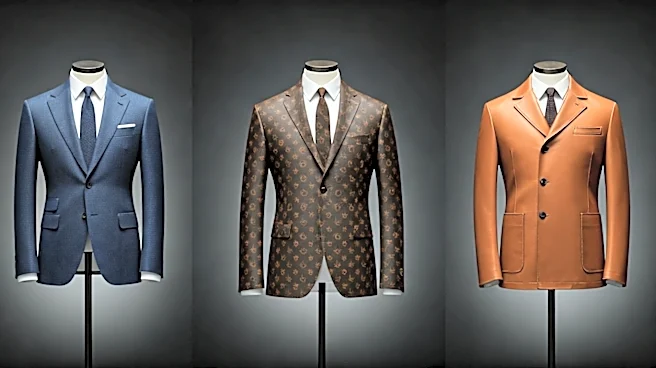
Of course, a trend rarely goes mainstream without a push from the top. High-fashion and cult-favorite streetwear brands have been instrumental in rebranding dad style. Labels like Aimé Leon Dore have built an entire identity around a polished, Queens-bred version of '90s dad aesthetics. Luxury houses like Balenciaga have famously played with the proportions of dad-wear, turning oversized shirts and chunky sneakers into ironic, high-status items that cost thousands. This high-fashion co-sign does two things: it gives people “permission” to wear these items, and it creates a new form of status signaling. The goal isn't just to look like a dad; it's to look like you've perfectly curated an *imitation* of a dad, using an expensive, perfectly cut version of the clothes he bought at a department store.