





The Baseball Blueprint: A Full Count
You know the scene. Bottom of the ninth, two outs, bases loaded. Your team is down by one. The pitcher stares in, wiping sweat from his brow, trying to ignore the runners dancing off the bags. The catcher flashes a sign. The infield is drawn in, ready to charge on anything hit softly. The outfielders are shading toward the gaps, praying the ball stays in the park. For the batter, the world shrinks to a 60-foot, 6-inch stretch of dirt and a five-ounce leather sphere. Every fan is on their feet. It’s a pressure cooker of strategy, anticipation, and nerve. One pitch will decide everything—a walk-off grand slam or a routine groundout. The tension comes from the compressed possibilities: a hero and a goat are about to be made.
Enter the Soccer Equivalent
Now, picture a soccer
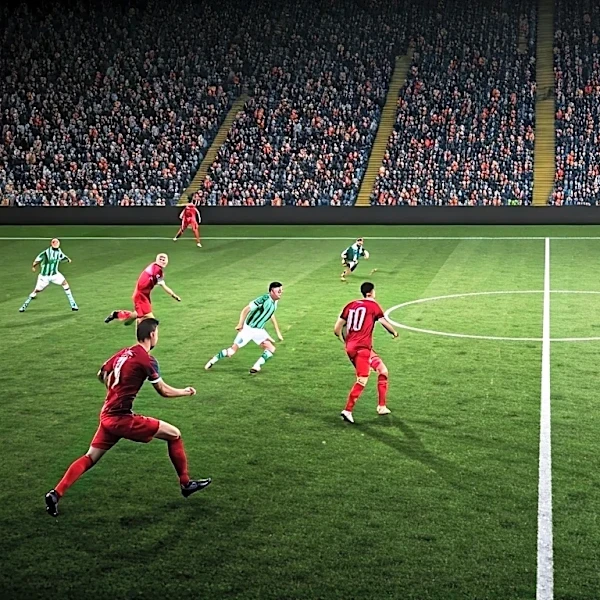
field. The ball has just been knocked out of bounds by a defender behind their own goal. The referee points to the corner of the field. This is it. This is soccer’s bases-loaded moment. It’s called a corner kick. For the uninitiated, it can seem like a minor restart. But for those in the know, it’s a moment of scripted chaos, a set-piece play that carries the same weight and tactical depth as a full-count pitch with the bases jammed. The entire flow of the game stops, allowing both teams to load the most dangerous area on the field—the six-yard box directly in front of the goal—with their biggest and best players. The potential for a goal skyrockets, and with it, the tension.
A Game of Inches and Roles
The parallels are stunningly direct. The player taking the corner kick is the pitcher. They are the initiator, deciding the play. Will it be an in-swinger that curls menacingly toward the goal, forcing the keeper to make a decision? Or an out-swinger that moves away from the keeper, inviting an attacker to run onto it? They might even play it short, like a pitcher trying a pick-off move to mess with the defense's timing. The group of attackers crashing the box are the batters, each with a specific role. One player makes a darting run to the near post to flick the ball on (a slap hitter trying to beat the shift). Another lurks at the far post, hoping for a ball to fall to them (a power hitter waiting for a hanging curveball). A third might act as a blocker, legally bumping a defender to create space for a teammate, just like setting a screen in basketball. And the defense? The goalkeeper is the catcher and the first baseman rolled into one—the commander of the zone. They shout instructions, organize their defenders, and must decide whether to aggressively charge out to punch the ball away or stay on their line to react to a shot. The other defenders are the infielders, each marking an opponent man-to-man or guarding a specific zone, their only job to clear the danger at all costs.
The Low-Percentage Payoff
Here’s the secret that makes both moments so compelling: they usually fail. Most bases-loaded situations end in an out. And statistically, only about 2-3% of corner kicks result directly in a goal. So why the hype? Because it's about the *threat*. It’s a lottery ticket with a massive potential payoff. A single well-placed corner can win a World Cup qualifier in the 90th minute or salvage a crucial point in a league season. That small percentage is just high enough to make everyone believe *this* could be the one. The collective intake of breath from 50,000 people is not just for the play itself, but for the shared understanding of its game-altering potential. It’s a burst of pure, unadulterated hope for the attacking side and sheer dread for the defense.