




The Tyranny of the Tour Route
For a band, touring is a job built on momentum and logistics. An artist from New York or Nashville can't just pop over to San Francisco for a one-off festival set without incurring massive costs. A cross-country trip for a band and their crew involves
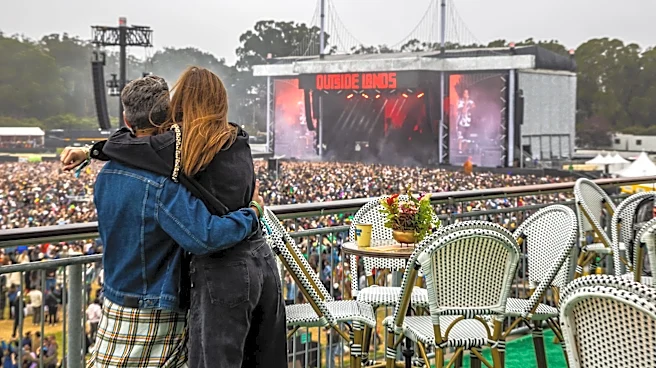
flights, hotels, and gear transport that can run into the tens of thousands of dollars. For a festival slot to make financial sense, it must fit into a larger, logically planned tour. This means the artist is likely already planning a string of dates on the West Coast, often called a "tour leg." A festival like Outside Lands becomes an "anchor date"—a profitable, high-exposure gig that justifies the travel and helps fund the smaller club shows surrounding it. If a band isn't already planning to be on the West Coast in August, the cost of getting them to Golden Gate Park is often too high for both the artist and the festival promoter.
The Invisible Barrier: Radius Clauses
One of the most significant and least understood factors in festival booking is the "radius clause." This is a contractual agreement that prevents an artist from playing other shows within a certain distance (the radius) for a specific period before and after the festival. For a major festival like Outside Lands, this clause might bar a performer from playing in the Bay Area—and sometimes even Los Angeles or Sacramento—for several months. The purpose is to protect the festival's ticket sales and exclusivity. Promoters invest huge sums and don't want fans skipping the festival because they can see their favorite band at a cheaper club show in San Jose a month earlier. This dramatically narrows the pool of available artists. A band that played a headlining show in the Bay Area in the spring or has one scheduled for the fall is likely contractually ineligible to also play Outside Lands, no matter how popular they are.
The West Coast Advantage
Given these constraints, it’s no surprise that West Coast-based artists and those embarking on extensive tours of the region have a distinct edge. A band from Los Angeles or Portland can more easily and cheaply fit a San Francisco festival date into their schedule. The travel is shorter, the costs are lower, and the logistics are simpler. This is why the Outside Lands lineup often features a healthy contingent of California-based acts, from emerging indie bands to established headliners. It’s not just regional favoritism; it’s economic and logistical reality. According to one of the festival's co-founders, creating a lineup is about finding artists for whom the play makes sense, both for the festival and for the artist's career trajectory in that market.
More Than Just a Paycheck
Ultimately, a festival slot is a negotiation where geography is a key bargaining chip. For an artist, agreeing to a radius clause in exchange for a spot at a premier festival like Outside Lands can mean a higher performance fee and massive exposure. For the festival, booking an artist who is already touring the West Coast is far more cost-effective. This symbiotic relationship means that the final lineup poster is a snapshot of dozens of intersecting tour schedules, financial decisions, and geographical realities. It’s a carefully constructed ecosystem where an artist's tour van route is just as important as their streaming numbers. The bookers are not just ordering from a menu of popular artists; they're solving a complex logistical puzzle where many pieces—timing, location, and cost—have to align perfectly.