







The Original Magic: Rivalry to Brotherhood
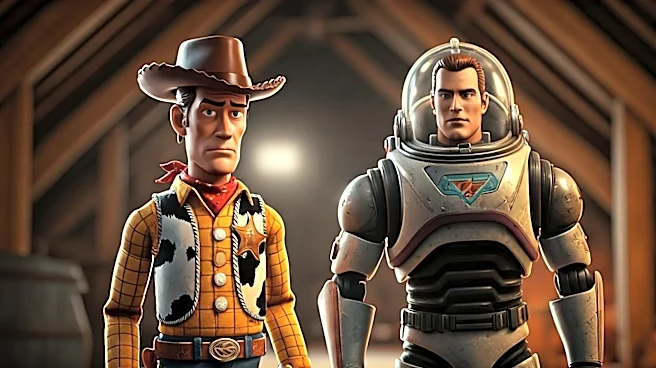
To understand the path forward, we have to remember the beginning. The magic of the original *Toy Story* wasn't just talking toys; it was the friction between Woody, the old-guard leader, and Buzz Lightyear, the shiny new thing. Woody’s insecurity and Buzz’s
delusion fueled a rivalry that was hilarious, heartfelt, and deeply relatable. They were oil and water. One was a symbol of nostalgic, analog childhood; the other was a stand-in for the digital, space-age future. Their journey from antagonists to allies, and finally to brothers, formed the emotional spine of the entire trilogy. By *Toy Story 3*, they were an inseparable unit, co-parenting their kid, Andy, through his final years of play. They weren’t just friends; they were partners who had earned their bond through shared trauma, near-death experiences in incinerators, and the simple, quiet loyalty of being there for each other.
The 'Toy Story 4' Problem (and Opportunity)
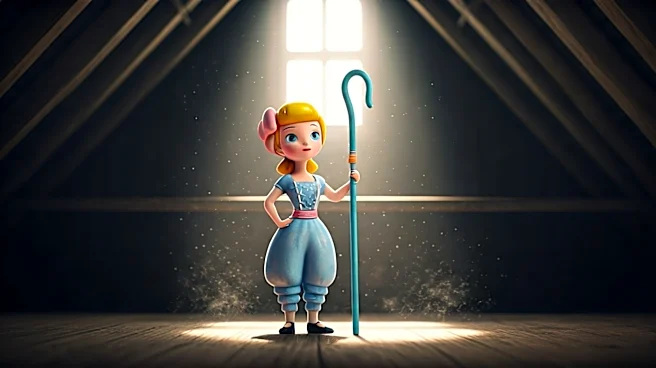
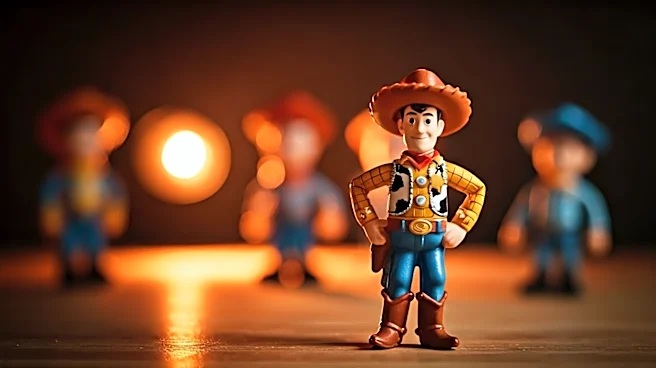
*Toy Story 4* blew that partnership apart, and for many, it felt like a betrayal. Woody, feeling lost without a kid to serve, chose a new life as a “lost toy” with Bo Peep, while Buzz returned to Bonnie’s room with the gang. Their tearful farewell on the carousel felt achingly final. But what if it wasn’t an ending, but a necessary intermission? The fourth film was about Woody’s mid-life crisis. He had to learn who he was without Andy, and then without *any* kid. Buzz, in turn, had to learn to trust his own “inner voice” and step up as a leader without Woody’s guidance. The separation, while painful for audiences, was crucial for their individual character arcs. It allowed them to become fully realized individuals, not just two halves of a whole. This is the foundation *Toy Story 5* must build on. Simply undoing that growth would be a catastrophic mistake.
Reunion, Not Regression
The worst thing *Toy Story 5* could do is hit a reset button, manufacturing a reason for Woody to regret his choice and return to the toy box as if nothing happened. That’s a sitcom plot, not a *Toy Story* plot. The opportunity here is to explore a more mature, adult-like friendship. Think of it like seeing your best friend from college after you’ve both spent a decade building separate lives, careers, and families. You’re not the same people, but the core of your connection is still there. Their reunion shouldn’t be about falling back into old roles. It can’t be Woody the sheriff and Buzz the space ranger bickering over the best way to get back to their kid’s room. That chapter is closed. Instead, their dynamic can be one of equals who have experienced the world differently. Woody has seen life outside the bedroom; Buzz has held a community together. When they meet again, they can respect each other’s new wisdom.
New Purpose, Same Core
So, what brings them back together? It must be a mission that requires both of their new skill sets. Woody, the resourceful wanderer who knows the outside world, and Buzz, the steady leader who understands community. Perhaps they have to unite to rescue a group of toys far from home, forcing them to combine their worldviews. The conflict wouldn’t come from their old rivalry, but from their different philosophies. How does Woody’s newfound freedom clash with Buzz’s commitment to a single kid? How does Buzz’s structured leadership work with Woody’s improvisational survival skills? This allows for fresh conflict that honors their history. They can be co-mentors to a new generation of toys, passing on the lessons they’ve learned. Their dynamic shifts from partners in play to seasoned veterans on one last, vital mission. It’s a way to go “to infinity and beyond” without just circling back to the beginning.