




More Than Just a Day at the Races
For many Americans, the idea of a “dress code” might evoke a stuffy workplace memo or a nightclub’s vague “no sneakers” policy. But Royal Ascot, the jewel in the crown of the British horse racing calendar, operates on an entirely different plane. It’s
one of the last great bastions of formal daywear, a five-day festival where tradition isn’t just respected; it’s the main event. The most exclusive area, the Royal Enclosure, has a dress code so specific and so strictly enforced that it turns the lawn into a living museum of sartorial excellence. This isn't about exclusion for its own sake; it's about participating in a shared standard of elegance, a visual symphony that connects the event to its 300-year history.
Decoding the Ascot Uniform
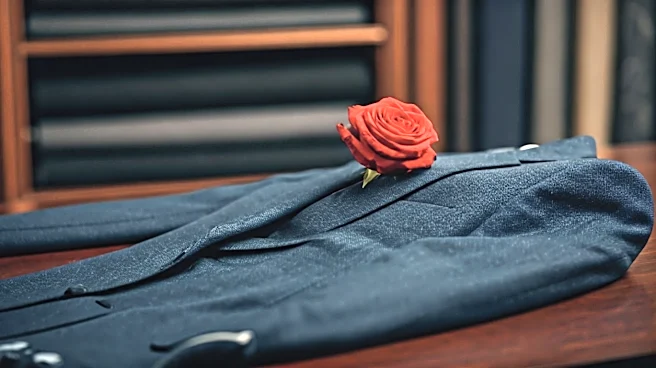
The rules for men in the Royal Enclosure are unambiguous. It’s morning dress or nothing. This consists of a black, grey, or (increasingly popular) navy morning coat, waistcoat and tie (no cravats), and trousers that are typically striped or houndstooth. To top it all off, literally, a black or grey top hat is mandatory and must be worn at all times, except within a restaurant or private box. Black shoes, polished to a mirror shine, complete the look. On the surface, it seems like a rigid uniform. But to the discerning eye, and especially to the tailors of Savile Row, this strict framework is not a limitation—it’s a canvas. It’s within these tight constraints that true style and individuality can shine.
The Savile Row Philosophy
Just a short drive from Ascot lies London's Savile Row, the undisputed global capital of men’s bespoke tailoring. For over two centuries, the street’s hallowed workshops have dressed kings, statesmen, and cultural icons. The Savile Row philosophy is not just about making expensive clothes; it’s about the obsessive pursuit of perfect proportion, silhouette, and fit. A bespoke suit isn't just measured; it's sculpted to the wearer's body over multiple fittings, a process that can take months. Tailors on the Row are masters of subtlety. They understand that the right cut can make a man look taller, slimmer, and more authoritative. They obsess over the roll of a lapel, the angle of a shoulder, and the precise break of a trouser—details that, when executed perfectly, create an impression of effortless grace.
Where Precision Meets Pageantry
When a Savile Row client prepares for Ascot, the dress code becomes a set of artistic parameters. The tailor’s job is to interpret the rules with maximum elegance. They might advise a lightweight high-twist wool for the morning coat to cope with the summer heat, while ensuring it has enough structure to maintain a clean line. The waistcoat becomes an opportunity for personal expression—perhaps a subtle color like powder blue or a classic dove grey. The tie is chosen to complement, not to shout. Most importantly, the fit is everything. A bespoke morning coat will sit perfectly on the shoulders, contour the waist, and end at just the right point behind the knees, creating a balanced, statuesque silhouette. This is the difference between wearing a costume and owning a look. It’s the invisible art of tailoring that transforms a man in a uniform into a man of distinction.