


The Runway: A Factory of Dreams
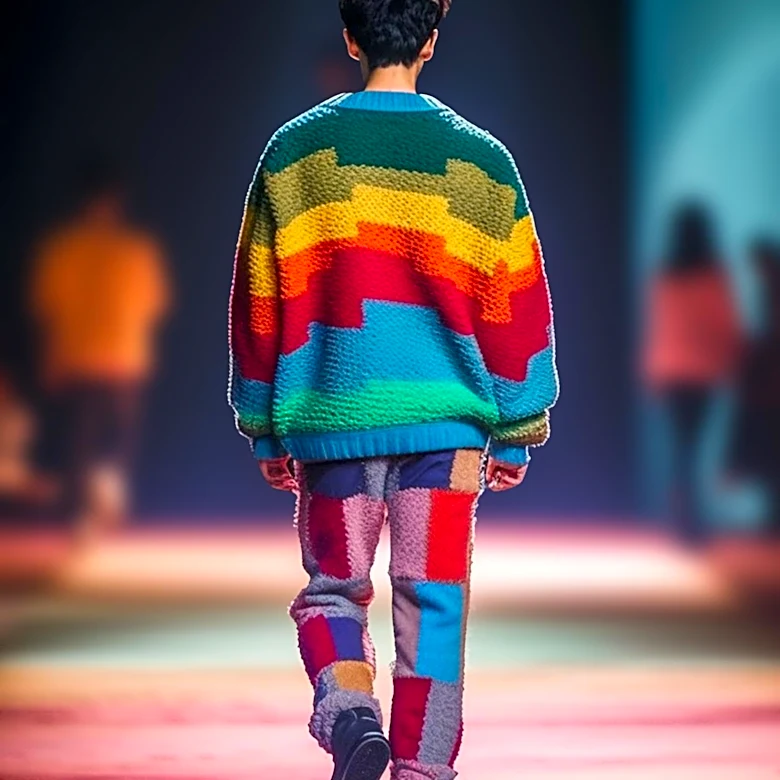
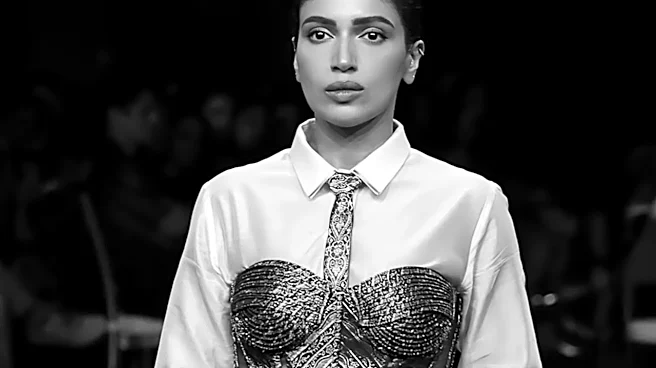
Runway shows are the engine of the fashion industry, functioning as laboratories for innovation and artistry. Designers use the catwalk to present a pure, undiluted vision, often pushing concepts to their most imaginative extremes. These shows are less
about selling individual garments and more about establishing a mood, a color palette, and the overarching silhouettes that will define the season. Think of it as performance art; the sculptural shapes, avant-garde materials, and theatrical styling are meant to tell a story and create a fantasy. This high-concept approach is crucial for the industry, as it sets the creative agenda. The ideas presented here eventually trickle down, but they aren't meant for direct consumption. They are the macro trends that inspire everything else.
The Street: Where Aspiration Meets Reality
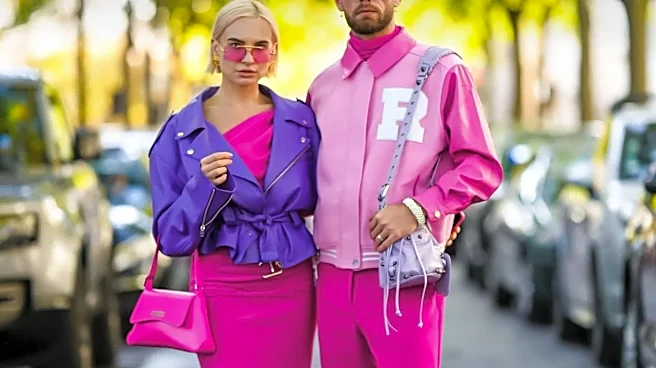
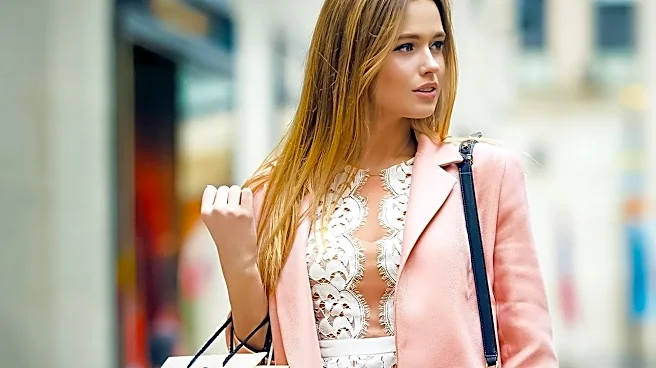
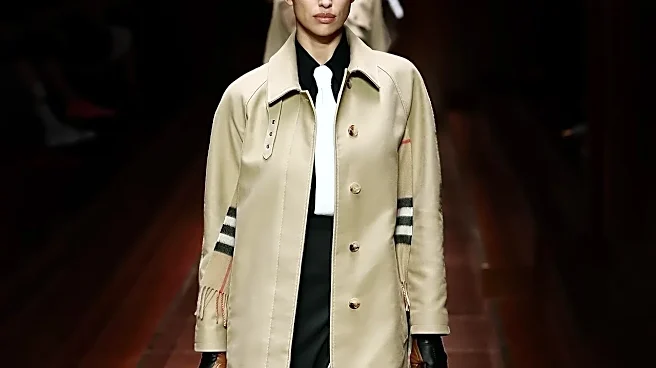
In contrast, street style is fashion in practice. While the runway presents a polished fantasy, the looks captured outside the shows offer a masterclass in how to actually wear the clothes. Editors, influencers, and fashion-savvy attendees translate the high-concept ideas into wearable, personal outfits. This is where a cropped trench seen on the Burberry runway is paired with everyday denim or a bold, oversized plaid scarf is used to elevate a simple monochrome look. For the average shopper, this is infinitely more valuable. A recent poll showed that Brits are now more likely to get style inspiration from strangers on the street than from celebrities. The pavements of London become a real-time catalog of how to make trends work for daily life, providing a tangible snapshot of how one can, and should, dress now.
The 'See Now, Buy Now' Immediacy
The rise of social media has fundamentally changed the power dynamic. In the past, there was a significant delay between a runway show and when the clothes became available. Now, thanks to platforms like Instagram and TikTok, street style is instantaneous. An outfit worn by an attendee can be photographed, posted, and go viral within minutes, creating immediate desire. This has led to the “see now, buy now” culture, where brands make collections shoppable almost as soon as they appear. While this applies to some runway shows, it’s the street style ecosystem that truly thrives on this immediacy. A specific handbag, a style of boot, or a particular way of layering a coat can become a must-have item overnight, driven by thousands of user-generated posts long before the runway equivalent hits stores.
The Authenticity Advantage
Psychologically, street style feels more authentic. Runway looks are prescribed by a single creative director, but street style is the sum of individual choices. It’s fashion democratized. While the phenomenon has become more commercialized, with brands often paying influencers to wear their clothes, the perception of personal curation remains powerful. It’s one thing to see a head-to-toe designer look on a model; it’s another to see a stylist mix a high-end coat with vintage jeans or an off-duty model pair a statement dress with rugged boots. This mix of high and low, old and new, feels personal and achievable. It’s not just about the clothes, but the attitude and individuality behind them, which is a powerful driver for shoppers looking to express their own identity.
When the Street Inspires the Runway
The influence is no longer a one-way street from the catwalk to the consumer. Designers and brands are now constantly monitoring street style to see what’s resonating with people. The creativity happening on the pavement has become a legitimate force that shapes future collections. This constant conversation creates a dynamic cycle: the runway provides the initial spark of an idea, the street reinterprets it, and designers then absorb that reinterpretation back into their work. London’s fashion scene, known for its rebellious and individualistic edge, is a particularly fertile ground for this exchange. The tension between refined runway concepts and the raw, authentic energy of the street is what keeps fashion moving forward.