









The Meal as a Ritual Sacrifice
Let’s be honest: that buffalo chicken dip wasn’t just an appetizer. It was an offering. The hours spent prepping, cooking, and arranging the spread for a watch party are part of a deeply ingrained fan ritual. It’s an act of collective hope, a physical
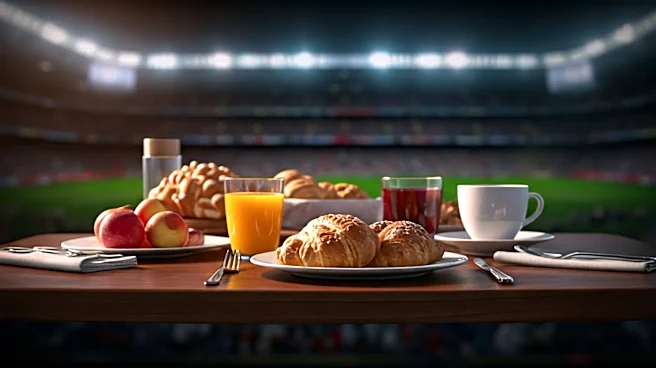
manifestation of our optimism. We aren't just making food; we're building an altar for a victory we believe is coming. Every perfectly arranged plate of wings and every bowl of guacamole is a down payment on a future celebration. When the team loses, that offering is rejected. The food, once a symbol of communal faith, instantly transforms into evidence of our foolish, misplaced confidence. The effort feels squandered, not on feeding friends, but on a ritual that failed to produce the desired outcome. It feels personal because our contribution to the day’s success—the meal—was thrown back in our faces.
Emotional Contagion in a Captive Room
Eating a great meal alone is one thing. Sharing it with your chosen tribe during a high-stakes event is another. A watch party creates a potent emotional echo chamber. As the game builds, so does the collective energy. The cheers, the high-fives, and the shared groans bind everyone together. Your identity temporarily merges with the group’s, and the group’s identity is fused with the team on the screen. Psychologists call this social identity theory—the team’s fate becomes your own. When victory is snatched away, the joyful energy doesn't just dissipate; it inverts. A wave of communal disappointment, frustration, and sadness washes over the room. The good feelings generated by the food and camaraderie are instantly contaminated by this powerful, negative group emotion. The joy of the meal is retroactively tainted by the bitterness of the loss. That delicious pulled pork now just tastes like defeat.
The Broken Promise of the Party
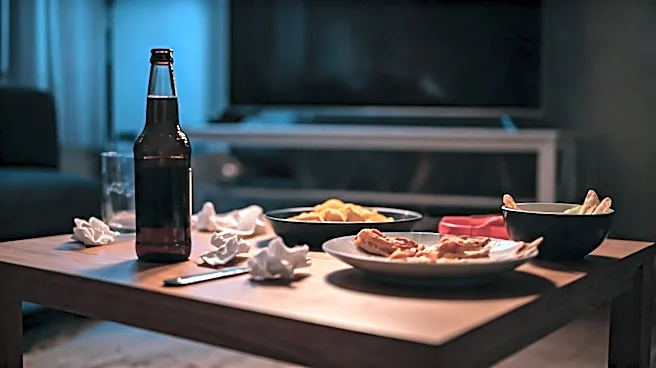
A watch party operates on an unspoken social contract. The host provides the space and often the main course. Guests bring drinks and side dishes. Everyone brings their team spirit. The implicit agreement is: “We are gathering to celebrate a win.” The entire event is structured around that hopeful climax. A loss shatters this contract. The party’s entire reason for being evaporates in the final seconds of the game. What’s left is an awkward social vacuum. The small talk feels forced. The cleanup feels funereal. People who were joyfully shouting together minutes earlier are now quietly checking their phones and looking for the first polite opportunity to leave. The party is over, but not in the celebratory way everyone had planned. The meal becomes the centerpiece of this broken promise, a reminder of the fun you were *supposed* to have.
Your Gut and the Agony of Defeat
There's also a simple physiological component at play. Stress and disappointment have a real, physical impact. The gut-brain axis is a powerful connection; intense negative emotions can genuinely affect your digestive system, making you feel bloated, queasy, or just generally “off.” After a gut-wrenching loss, your body is flooded with stress hormones like cortisol. This happens just as you’re trying to digest a rich, heavy meal of chili, cheese, and beer. The physical discomfort of being full gets tangled up with the emotional agony of the loss. You’re not just metaphorically sick to your stomach; the stress is creating a real, physical sensation of unease that you associate directly with the food you just ate. That post-meal contentment you were looking forward to is replaced by a heavy, sour feeling that’s both emotional and physical.