


1. The Storming of the Dragonpit
A key theme of the Dance is the catastrophic price paid not just by the nobles, but by the common folk of Westeros. The Season 3 finale could powerfully dramatize this with the Storming of the Dragonpit. As famine, fear, and religious fervor grip King's
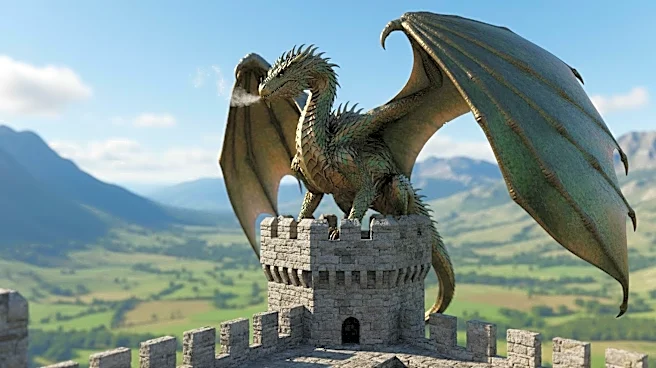
Landing, a demagogue known as the Shepherd incites the starving population to see the source of all their suffering: the dragons. The resulting riot would see a massive, enraged mob attack the Dragonpit, the structure housing the Targaryen's dragons. It's a bloody, chaotic, and ultimately tragic event where thousands of smallfolk and multiple dragons are killed, including Dreamfyre and Syrax. This moment is more than just a shocking spectacle; it marks the point where the people turn on the very symbols of Targaryen power, a cataclysmic blow from which the dynasty might never truly recover.
2. Rhaenyra’s Desperate Escape
Rhaenyra's triumphant capture of King's Landing will likely curdle into a paranoid and brutal reign. The pressure of ruling a divided city, coupled with the immense personal losses of the war, transforms her. Following the chaos of the Dragonpit's storming and the death of her own dragon, Syrax, the city becomes ungovernable. Her brief reign ends not with a grand battle, but with a desperate flight from the capital. The book details her selling her father's crown just to buy safe passage on a ship back to Dragonstone, the place where her journey began. A finale could powerfully frame this as a devastating reversal of fortune, showing the Queen of the Seven Kingdoms reduced to a fugitive, hunted and with her support crumbling around her.
3. The Battle Above the Gods Eye
There is no more anticipated confrontation in the entire Dance of the Dragons than the final duel between Daemon Targaryen and Aemond Targaryen. It is the culmination of a lifelong rivalry between two of the most skilled and ruthless warriors of their age. The evidence points to this legendary battle being a centerpiece of a future season finale. Aemond, atop the colossal and ancient dragon Vhagar, has been terrorizing the Riverlands. Daemon, seeking to end the threat, challenges him to a fight to the death above the great lake known as the Gods Eye. The ensuing aerial combat is the stuff of legend, ending with both dragons, Caraxes and Vhagar, locked in a death spiral. In a final, desperate act, Daemon leaps from his own dragon onto Vhagar to drive his Valyrian steel sword, Dark Sister, into Aemond's eye, ensuring they both perish in the waters below.
4. Treachery and the Dragonseeds
One of the most fascinating and volatile elements of the war is the introduction of the "dragonseeds"—common-born individuals with enough Valyrian blood to potentially claim a dragon. While initially a boon for Rhaenyra's cause, it also introduces immense instability. A Season 3 finale could focus on the ultimate betrayal by two of these riders, Ulf White and Hugh Hammer. In the source material, during the First Battle of Tumbleton, these two men, seeing an opportunity for greater power and riches, switch their allegiance to the Greens. This betrayal is a brutal lesson in the fickle nature of loyalty and the corrupting influence of power, showing Rhaenyra that even those who ride dragons for her cannot be trusted. It deepens her paranoia and illustrates how the war has devolved into pure, self-serving opportunism.
5. A Feast for Dragons
The most shocking and definitive moment of Rhaenyra's story is her death. After fleeing King's Landing, she believes she is returning to the safety of her ancestral seat, Dragonstone. Instead, she finds it has been taken by her enemies. She is captured and brought before her triumphant half-brother, Aegon II. In a final act of cruelty and dominance, Aegon sentences her to death. But it is the method that will sear itself into viewers' minds: he has his own wounded dragon, Sunfyre, burn Rhaenyra alive and then devour her as her young son, the future Aegon III, is forced to watch. This horrific scene is not just the end of Rhaenyra's claim, but the ultimate symbol of the war's barbarity—a house consuming itself. It would serve as a gut-wrenching final shot for a season, cementing the true horror of the Dance.