



The Impossible Task
By the early 1980s, the house of Chanel was a ghost. More than a decade after Coco Chanel's death in 1971, the brand was surviving on the fumes of its iconic No. 5 perfume and accessories. The clothing, once the epitome of modern elegance, was seen as dated,
catering to a dwindling base of bourgeois matriarchs. The business was stagnant, and the cultural relevance had vanished. Everybody told Lagerfeld not to touch it. The consensus was that Chanel was a beautiful relic, a brand whose codes were so intertwined with its founder that any attempt to modernize them would be an act of sacrilege, doomed to fail. To take on Chanel wasn't just a design job; it was an attempt to resurrect a legend, a task many in the fashion world considered impossible.
A Controversial Choice
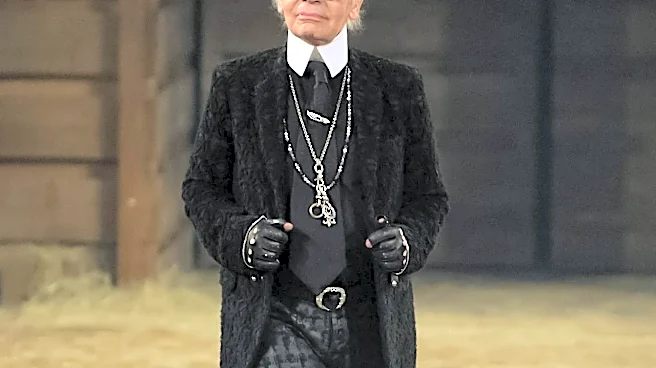
Hiring Karl Lagerfeld was a massive gamble. Known for his work at Chloé and Fendi, he was a modernist, a freelancer with a pop-culture sensibility, and a master of reinvention—everything the insular, traditional house of Chanel was not. He was a hired gun in an industry that still prized singular, lifelong visionaries. To the Chanel faithful, he was an outsider, a German designer tasked with interpreting the soul of French fashion. His approach was intellectual and irreverent. He famously declared, “Respect was never creative,” a sentiment that sent shivers down the spines of those who treated the Chanel legacy as scripture. The fear was that he wouldn't just update Chanel, but that he would mock it, subverting its codes until they were unrecognizable.
Rebellion in the Ranks
The most significant hurdle wasn't the press or the public, but the artisans within Chanel itself. The ateliers—the skilled seamstresses and craftspeople who had worked under Coco herself—were fiercely loyal to her memory. They viewed Lagerfeld's appointment as a betrayal and his initial designs as an insult. The tension was palpable. According to fashion lore, the resistance was quiet but determined. Tools would go missing, instructions would be questioned, and a cold disapproval met his every move. Lagerfeld was trying to inject an '80s energy—bold silhouettes, updated tweeds, and playful logos—into a house that had been frozen in time. He was met with a wall of tradition, a workforce that believed they were protecting the brand from a foreign invader who simply didn't understand.
The Show and The Shock
Somehow, the collection made it to the runway. On that January afternoon, a small group of press and clients gathered to witness what many expected to be a catastrophe. What they saw was both familiar and jarring. The classic Chanel tropes were there: tweed suits, ropes of pearls, little black dresses, and the iconic camellia flower. But Lagerfeld had twisted them. He played with proportions, shortening jackets, adding bulky fabrics, and adorning a classic black dress with witty, oversized trompe l'oeil jewelry. He took the discreet language of Chanel and made it loud, turning its symbols into bold, graphic statements designed to be seen from a distance and captured in a photograph. This was Chanel reimagined for the era of power dressing and brand obsession.
A Polarizing Debut
The immediate reaction was far from a universal ovation. While some praised the modern energy, many critics were aghast. One prominent trade publication declared the collection “committed too many Chanel Don'ts and not enough Do's,” criticizing everything from the fabrics to a perceived lack of ironing. The old guard felt he had desecrated a monument. They saw vulgarity where he intended wit, and disrespect where he aimed for relevance. Yet, the controversy generated a buzz the likes of which Chanel hadn't seen in years. Younger women, who had previously dismissed the brand as their grandmothers' attire, suddenly took notice. The collection, and Lagerfeld's defiant attitude, signaled that Chanel was no longer a museum piece. It was alive, and it had something new to say.