




Start with Your Signature
Before you think about layering or matching, find your jewelry soulmate. This is the one piece you could wear every day, the one that feels like an extension of you. [14] It might be a simple pair of gold hoops, a pendant necklace with personal meaning,
or a ring you never take off. [2, 18] This 'signature' piece becomes your anchor. It’s comfortable, versatile, and complements your daily life, not complicates it. [14, 21] By starting with something that feels authentically you, you build your look from a place of confidence, not trend-chasing.
Master the Art of Layering
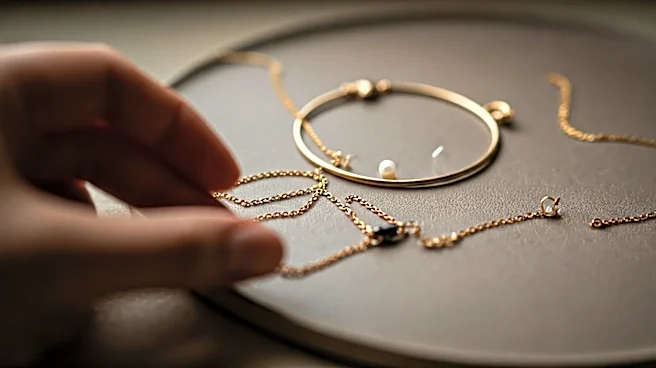
Layering looks effortless, but it’s an art built on a few key rules. The most important? Vary your lengths. [6, 15] For necklaces, a good stack often includes a short chain near the collarbone (14-16 inches), a middle piece that sits below it (18-20 inches), and a longer one to anchor the look. [13] Keeping about two inches between each chain prevents them from becoming a tangled mess. [6] You can also play with different textures—like a smooth snake chain with a beaded one—to create visual interest. [10, 13] The goal is to create a cascading effect where each piece has its own space to shine.
Embrace the One-Statement Rule
One of the quickest ways to feel over-accessorized is to have too many pieces competing for attention. A simple guideline is to choose one area to be your focal point. [5] If you’re wearing a bold, chunky necklace, consider smaller, more subdued earrings. [1] If you opt for large, eye-catching earrings, maybe skip the necklace altogether or choose a very delicate chain. [16] This doesn't mean you can only wear one piece of jewelry, but rather that one piece gets to be the star of the show while the others play a supporting role. [1] This creates balance and makes your look feel intentional rather than cluttered. [5, 23]
Mix Your Metals (Yes, Really)
The old rule that you can't wear gold and silver together is officially gone. [9, 11] Mixing metals is a modern way to add depth and personality to your style. [3, 8] The key to making it look deliberate is to create balance. One easy way to start is with a "bridge" piece—a watch or bracelet that already incorporates both gold and silver. [1, 8] Another approach is to repeat each metal at least once; if you wear a silver necklace, balance it with a silver ring. [3] Don't overthink it: a stack of bracelets or rings in various gold, silver, and rose gold tones often looks effortlessly chic. [1, 4]
Choose Quality Over Quantity
A small collection of well-made, versatile pieces will serve you better than a drawer full of trendy, disposable items. Investing in quality materials like sterling silver, gold-fill, or solid gold means your everyday pieces will last. [2, 12, 24] These items are often more comfortable for daily wear and less likely to irritate your skin. [21] A few high-quality staples—like classic hoops, a simple chain, and a timeless ring—can be mixed, matched, and layered endlessly. [1] They form the foundation of a jewelry wardrobe that feels both personal and enduring.
Context is Everything
Finally, consider your canvas. The neckline of your top, the setting you're in, and your overall outfit all play a role. A V-neck or scoop neck is a perfect frame for layered necklaces, while a turtleneck might call for a longer pendant or statement earrings instead. [16] For professional settings, a few understated pieces often communicate more polish than several bold ones. [20] Casual outfits, on the other hand, offer more freedom to experiment. [23] Matching your jewelry to the occasion ensures your accessories enhance your look rather than distract from it.