



The General and The Grump
In the late 1960s, a monumental film was in the works: Patton, a biopic about the brilliant, controversial, and larger-than-life General George S. Patton. The lead role was a beast, demanding an actor who could command the screen with volcanic intensity.
The producers’ list included some of Hollywood’s biggest names, and surprisingly, one of them was Walter Matthau. Known for his hangdog expression and impeccable comedic timing, Matthau seemed an odd choice to portray a fearsome World War II general. At the time, he was a beloved Broadway star and had just won a Best Supporting Actor Oscar for The Fortune Cookie. Casting him would have been a radical, against-type move, but one the filmmakers were willing to make.
A Principled Pass
Matthau, however, wasn't interested. His reasons weren't about scheduling or salary; they were deeply personal. Having served in the U.S. Army Air Forces during World War II himself, he held strong feelings about the conflict. According to Hollywood lore, Matthau turned down the role of General Patton because he felt the film glorified war. He was reportedly uncomfortable with the idea of celebrating a figure as complex and combustible as Patton, and he made the conscious choice to pass on what would become one of the most iconic roles of the 20th century. It wasn't a career misstep in his mind, but a principled stand.
Enter George C. Scott
With Matthau out, the role eventually went to George C. Scott, an actor who possessed the gravitas and explosive energy the part required. Scott threw himself into the role, researching Patton extensively to capture his mannerisms, his voice, and his soul. The result was a towering performance that is still considered one of the greatest in cinema history. Scott’s Patton was everything the real general was said to be: brilliant, profane, poetic, and terrifying. The performance anchored the film, which became a critical and commercial success. When Oscar night arrived, there was little doubt who would win Best Actor.
The Oscar Nobody Wanted
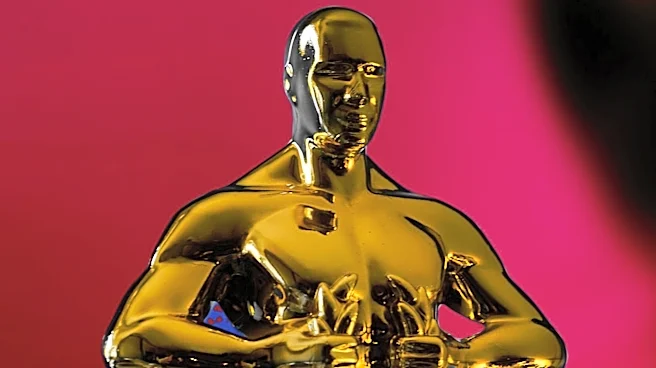
In a twist that adds another layer to the legend, George C. Scott won the Academy Award for Best Actor—and famously refused to accept it. Months before the ceremony, Scott had informed the Academy he wanted no part of it, calling the awards a "two-hour meat parade" and stating his philosophical opposition to the idea of actors competing against each other. So, the Oscar that Walter Matthau didn’t want to play for was won by an actor who didn’t want to accept it. It was an unprecedented moment in Oscar history, creating a bizarre symmetry between the man who said no to the part and the man who said no to the prize. The award was accepted on his behalf by the film's producer.
No Regrets, Just Comedy
Did Matthau ever regret his decision? It’s unlikely. He went on to have an incredible career defined by his unique brand of curmudgeonly comedy. He received two more Oscar nominations, for Kotch (1971) and The Sunshine Boys (1975), and cemented his legacy as one-half of Hollywood's most beloved pairings with his friend Jack Lemmon in films like The Odd Couple and Grumpy Old Men. While it’s tantalizing to imagine his version of Patton, Matthau’s choice allowed him to forge a different but equally iconic path. He built a career playing characters who felt real, relatable, and hilariously human—a stark contrast to the larger-than-life general he decided to leave for someone else.