





Not Your Father's Turtleneck
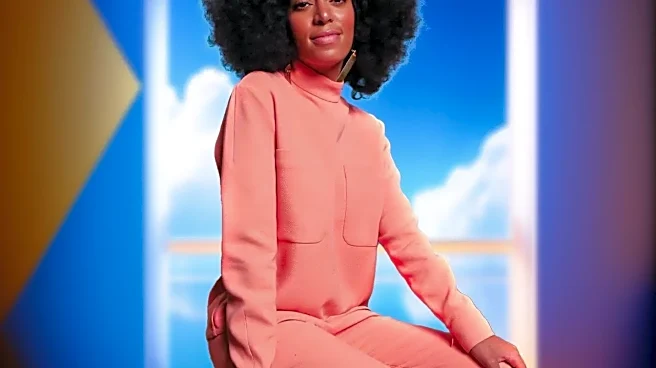
First, let's clear the air. A mock neck is defined by its shorter collar that stands up around the neck without the need to be folded over. This key difference makes it less bulky and arguably more versatile than its cousin, the traditional turtleneck.
While turtlenecks can feel formal or even restrictive, the mock neck offers a similar polished look with a more relaxed, modern feel. It originated as a practical garment for athletes and laborers who needed neck protection without the full commitment of a high, folded collar, gaining popularity in the mid-20th century as a comfortable and stylish alternative.
The Uniform of the Intellectual Rebel
The mock neck’s journey into the American style lexicon began in the 1950s and '60s. It was adopted by intellectuals, artists, and activists who rejected the formality of the shirt and tie. The black mock neck, in particular, became synonymous with the Beat Generation and later, with figures like Andy Warhol. It signaled a certain kind of cool—creative, cerebral, and slightly anti-establishment. Wearing one suggested you had bigger ideas to think about than what knot to use for your tie. It was a uniform for those who valued substance over stuffy tradition, a subtle rebellion that looked effortlessly sharp.
The Icon in the Black Shirt
No single individual has done more to cement the mock neck's place in the American imagination than Steve Jobs. His signature black mock neck, Levi's 501s, and New Balance sneakers became a uniform so iconic it is inseparable from his identity and, by extension, Apple's. Jobs famously commissioned hundreds of black mock necks from Japanese designer Issey Miyake after admiring the factory uniforms at Sony. For Jobs, the uniform was a matter of daily convenience and a way to create a signature style. In doing so, he transformed the garment into a symbol of minimalist design, obsessive focus, and world-changing innovation. It became the unofficial uniform of Silicon Valley, shorthand for a genius too busy inventing the future to worry about his wardrobe.
From Hollywood to Main Street
Beyond the tech world, the mock neck has long been a favorite of Hollywood's leading men, from Steve McQueen to Dwayne "The Rock" Johnson, who famously wore one in a viral 90s photograph. It has a unique ability to project both strength and sophistication. On women, it has been a symbol of chic, modern elegance, from Sharon Stone's iconic Gap-shirt-at-the-Oscars moment to its frequent appearance on style icons who favor a clean, minimalist aesthetic. Its gender-neutral appeal is part of its power; it flatters without fuss and elevates a simple outfit without trying too hard.
The Modern Wardrobe Staple
Today, the mock neck is more relevant than ever. In an era of "quiet luxury" and a return to timeless, versatile pieces, it fits perfectly. It layers perfectly under a blazer for a smart-casual office look, works on its own for a clean weekend outfit, and adds a touch of architectural interest to any ensemble. It's a garment that doesn't shout for attention. Instead, it speaks in a confident, composed tone. It suggests that the wearer is put-together, thoughtful, and possesses a quiet confidence that doesn't require loud logos or flashy trends.