

The Anatomy of a Rewatch
To understand the energy in a panel room for a show that ended a decade ago, you have to understand the psychology of a rewatch. In a world of overwhelming choice and uncertainty, returning to a familiar story is a deeply comforting act. Psychologists
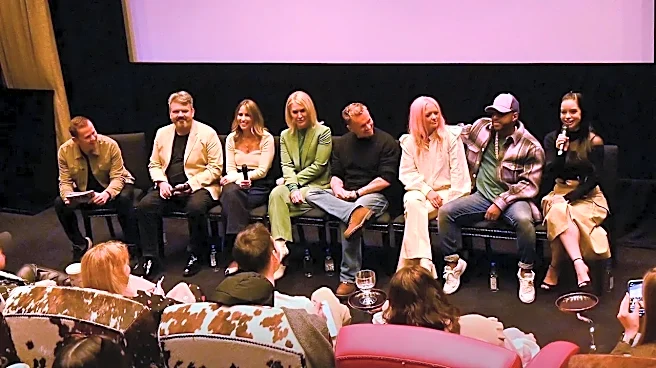
note that rewatching is a low-cognitive load activity; your brain doesn't have to work as hard because it knows the outcome. This predictability provides a sense of control and emotional stability. When a fan enters a reunion panel, like the one for the 20th anniversary of 'Dexter' at this year's NYCC, they aren't just there to see the actors. They are there to publicly celebrate a shared, predictable comfort. It’s an act of collective validation, turning a private ritual into a public celebration. The roar of the crowd when a beloved catchphrase is uttered isn't just about the line itself; it's about the hundreds of hours spent with those characters, now shared with thousands of people who did the same.
A Shared Universe of Memories
Walk the floor of the Javits Center and you’ll see that cosplay is more than just a costume; it's a moving archive of pop culture history. For every new Marvel hero, there are dozens of characters from shows that have long since gone off the air. A group of fans dressed as the cast of 'Smallville' aren't just celebrating a show; they're celebrating a shared memory. These costumes act as instant connectors, visual cues that say, “We speak the same language. We have the same emotional history.” A mini-reunion of the 'Smallville' cast for photo ops reinforces this phenomenon. This is the core of collective rewatch culture: it’s not just about the show, but about the community that forms around it. These fictional worlds provide a framework for real-world connections, creating bonds rooted in a shared passion. Our brains don't always distinguish between real and fictional relationships, creating what are called parasocial bonds. These connections can feel incredibly real, and seeing others who share them is a powerful affirmation of one's own emotional investment.
More Than Just Nostalgia
It’s easy to dismiss this trend as simple nostalgia, a bittersweet longing for a simpler time. But what's happening at NYCC is more active than that. Nostalgia can be a powerful tool for improving mood and increasing feelings of connection, but this is nostalgia weaponized for community building. It's an intentional, participatory culture where fans are not just passive consumers but active producers of meaning. They don't just remember a show; they keep it alive through discussion, fan fiction, and in-person events. The highly anticipated (though ultimately canceled) 'Game of Thrones' reunion panel between Lena Headey and Nikolaj Coster-Waldau was a perfect example of this desire in action. The intense fan interest demonstrated that even years after a controversial ending, the desire to revisit and reconnect with the core characters—and the community that debated them—remains incredibly strong. This isn't about escaping the present; it's about using the past to enrich it.
The Industry Is Listening
For years, this fan-driven culture bubbled up from the grassroots. Now, the industry is fully on board. Studios and networks are no longer just focused on launching the next big thing; they understand the immense value locked inside their back catalogs. Reunion panels for shows like 'Brooklyn Nine-Nine' and anniversary retrospectives are now prime attractions, not side-show curiosities. Events like a 'Star Trek Universe' panel or a deep dive on 'Percy Jackson and the Olympians' aren't just for established fans; they're a gateway for new ones, inviting them into a rich, pre-existing world. By celebrating anniversaries and bringing casts back together, studios validate the decades of emotional labor fans have put in. They are acknowledging that the stories we choose to return to, the ones we share with our friends and introduce to our kids, have a cultural and emotional currency that is just as valuable as the next blockbuster.