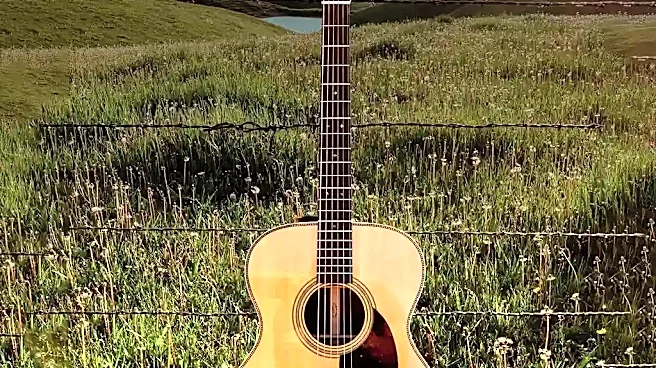




The Sound of a Place
To understand Americana, you have to understand its DNA. It’s not one single sound, but a rich tapestry woven from the core threads of American roots music: folk, country, blues, R&B, and gospel. These genres didn’t spring up in a vacuum; they grew directly
out of the soil of specific regions. Blues music was born in the fields of the American South, carrying the stories of Black sharecroppers in places like Mississippi and Tennessee. Country and bluegrass developed in the Appalachian mountains of West Virginia and North Carolina, blending traditions from Irish and Scottish immigrants with local sounds. Americana, as a modern genre, consciously pulls from this history. It’s defined by the Americana Music Association as a distinctive, roots-oriented sound that lives apart from the polished, mainstream versions of the genres it draws from. It’s music that sounds weathered and lived-in, like tires on a dirt road, because its foundational elements are inherently linked to the landscapes and communities that created them.
Where Story Is King
In Americana, the story is everything. The genre prizes authenticity and lyrical honesty, often favoring narrative songs about real life, work, love, and loss. Place isn’t just a background detail in these stories; it's a central character. The environment shapes the people, their choices, and their fates. Think of Bruce Springsteen’s New Jersey, where the shutdown factories and boardwalk arcades are as important as the people who inhabit them. Or Jason Isbell’s Alabama, a landscape filled with ghosts, grace, and hard-won redemption. These songwriters use geography as a shorthand for a whole way of life. Mentioning a specific town, river, or highway instantly grounds a song in a tangible reality that listeners can connect with, even if they’ve never been there. The music feels real because it comes from somewhere real. This focus on truthful storytelling is a direct inheritance from folk singers like Woody Guthrie, who documented the lives of working people across the American landscape.
Modern Heirs to a Geographic Tradition
This tradition is alive and well among the artists celebrated at the Americana Honors & Awards. The winners and nominees of the September 2026 awards are perfect examples. Tyler Childers, whose album 'Snipe Hunter' took home Album of the Year, writes music that is inextricably linked to his native eastern Kentucky. His songs are filled with the dialect, scenery, and struggles of Appalachia, making the region a vivid, breathing presence in his work. Similarly, Artist of the Year winner Molly Tuttle often weaves themes of home and movement into her intricate bluegrass-inflected songs. Other recent honorees, like S.G. Goodman, write with a fierce attachment to their rural Kentucky roots, exploring the complexities of home with unflinching detail. These artists aren’t just creating a mood; they are continuing the work of folk preservation, turning their specific corners of the country into universal art.
An Antidote to Placeless Pop
The genre’s emphasis on place also serves as a powerful counterpoint to much of modern pop music, which is often designed to be universal and geographically anonymous. While a global pop hit might evoke a club or a feeling of love that could happen anywhere, an Americana song often aims for the opposite. It wants to take you somewhere specific: a porch in the Carolinas, a bar in Texas, a back road in Montana. This focus on the particular is a key part of its appeal. In a world that feels increasingly disconnected and homogenized, Americana offers a sense of grounding. It reminds listeners that place matters, that our identities are shaped by our surroundings, and that there is profound beauty to be found in the specific details of a single town or a stretch of highway. It’s music that provides a sense of home, even for those listening hundreds of miles away.