


The Anatomy of a Revival
It’s a perfect storm of nostalgia, technology, and cultural currency. A legacy artist, or a younger one with an old soul, decides to dust off a classic for their set at a festival like ACL. This isn't just a throwback; it's a strategic move in an era
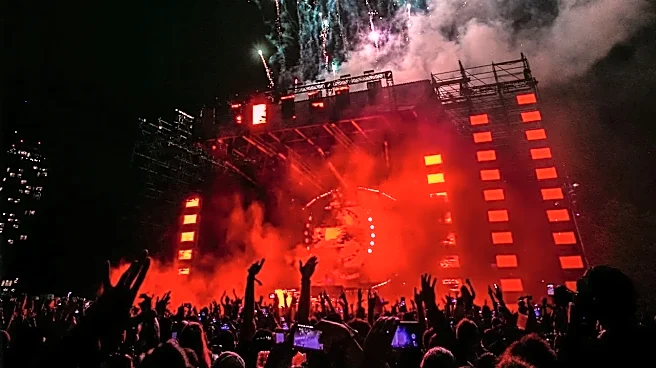
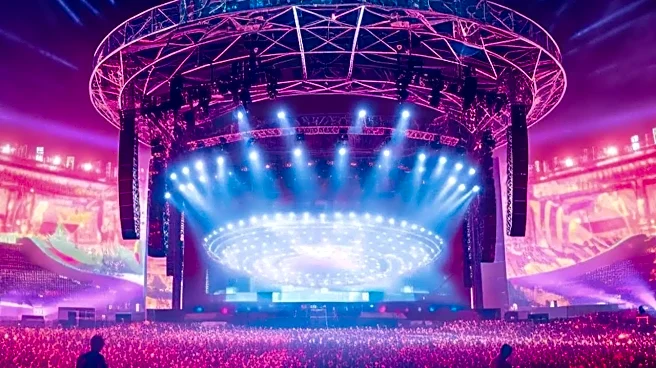
where musical timelines have collapsed. Thanks to streaming and social media, a song from 1977 can compete with a track released last week. Gen Z, a generation that discovers music primarily through platforms like TikTok, doesn't distinguish by release date—they connect with a vibe. This sets the stage for a forgotten gem to be heard by hundreds of thousands of new ears, both on the field at Zilker Park and, more importantly, through the phones they're holding up.
The Performance Is Just the Beginning
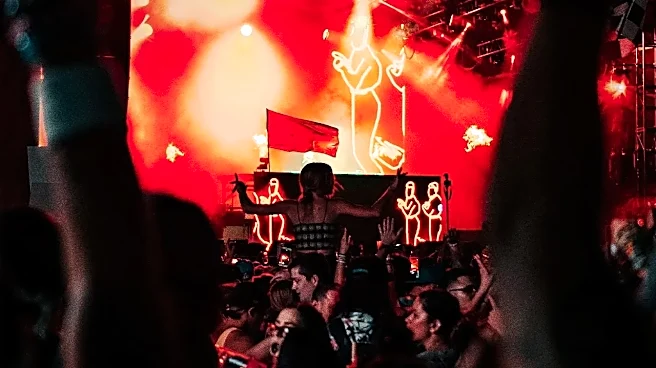
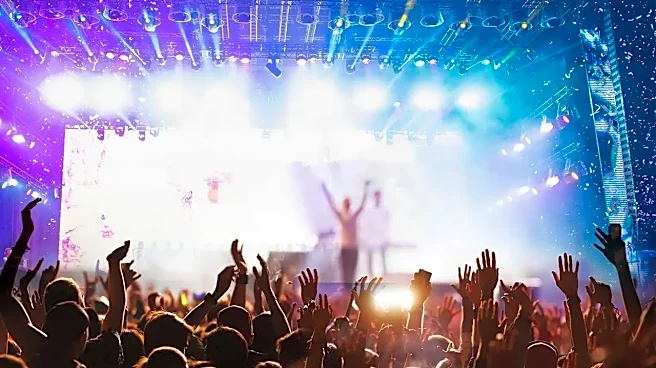
The magic happens in the crowd. When an artist launches into a beloved older track, it’s not just a performance; it's the mass creation of content. Thousands of smartphones capture the moment, each one a potential spark for a viral fire. Within minutes, clips of the performance flood TikTok, Instagram Reels, and YouTube Shorts. These aren't just concert recordings; they are soundtracks for a shared experience. The shaky, bass-heavy video of a crowd singing along to a classic feels authentic and immediate, far more than a polished studio recording. This user-generated content is the engine of modern music discovery. According to a 2026 MIDiA Research report, 51% of listeners aged 16-24 name TikTok as a primary source for finding music.
The Algorithm Becomes the DJ
Once those clips are online, the platform's algorithm takes over. It detects a surge in engagement around a specific sound—a catchy chorus, a powerful guitar riff—and starts pushing it to a wider audience. This is how a song transcends the festival grounds. Someone who has never heard of the artist might see a video, love the song, and search for it. This was the blueprint for the revival of Fleetwood Mac’s “Dreams.” A viral TikTok video in 2020 sent the 1977 song rocketing back up the Billboard charts and onto top 40 radio playlists. The same phenomenon happened when Kate Bush’s “Running Up That Hill” was featured in the TV show Stranger Things, proving that a powerful placement can give a song a massive second life, generating millions in new royalties.
From Festival Moment to Global Hit
This pathway from live performance to viral sensation is now a key part of the music industry. A standout festival moment can lead to a measurable spike in streaming numbers almost immediately. That surge then gets the attention of playlist curators on Spotify and Apple Music, who add the track to influential lists like “Viral Hits.” From there, it can cross over to traditional radio, completing the circle. It happened for PinkPantheress, whose song "Girl Like Me" saw a 165% increase in streaming after a notable Coachella performance in 2026. The festival stage acts as a powerful amplifier, taking a song that was once a memory for one generation and turning it into a discovery for another.