


No Headliners, No Problem
First, you have to understand that Burning Man isn’t a music festival in the way Coachella or EDC is. There are no official headliners, no scheduled set times promoted by the organization, and no massive, central stage where everyone gathers. Instead,
Black Rock City is a temporary metropolis filled with hundreds of independent “sound camps” and roving “art cars”—massive, custom-built vehicles equipped with powerful sound systems. Music is a gift, provided by the participants, for the participants. A superstar DJ doesn't get top billing; they simply show up at a camp or on an art car and play. This decentralized, chaotic environment is the opposite of the highly structured, commercially driven festival world. For an artist like Diplo, it’s a return to the fundamentals of DJing: showing up and creating a vibe, often unannounced.
The Power of the Surprise Set
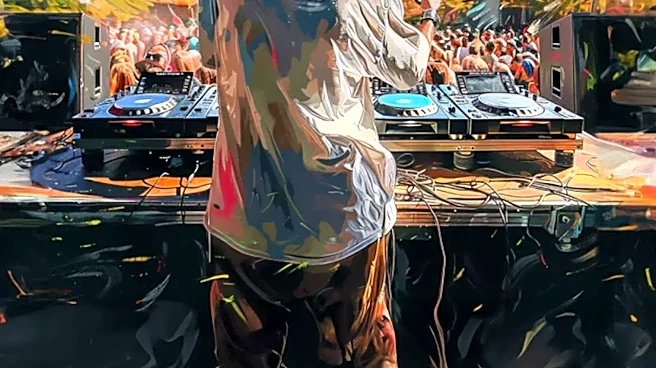
In the world of billion-dollar music festivals, everything is planned. A headliner’s set is a 90-minute slot, promoted for months. At Burning Man, the best moments are spontaneous. Diplo has become a master of this, famous for his surprise sunrise sets, sometimes from the top of an iconic art car like Robot Heart or even from a hot air balloon. These aren't just gigs; they are legendary playa moments. He has played back-to-back with other major artists like Flume and Carlita, not as a ticketed event, but as a spontaneous collaboration. This approach aligns perfectly with the event’s ethos, which values immediacy and discovery over a pre-packaged experience. You don't go to see Diplo; you just happen to be in the right part of the desert at the right time when he starts playing an unforgettable set as the sun comes up.
From Superstar to Participant
Burning Man operates on a principle of “radical participation.” You’re not a spectator; you’re part of the show. When a world-famous DJ plays for free from a fan-built art car, they are stepping down from the pedestal of celebrity and becoming a participant. In interviews, Diplo has emphasized that at Burning Man, you're not getting paid, you’re not headlining; you're there to give back your skill. This humility is key. While his early attempts with Jack Ü in 2014 were reportedly met with boos for being too commercial, he has since learned to read the room. Now, he's known for playing marathon sets, often for hours, adapting to the crowd's energy in a way that's impossible during a rigid festival slot. This act of gifting his talent, without the commercial trappings, earns a different kind of respect on the playa.
Ditching the Hits for Deeper Cuts
A main-stage festival set is often a sprint through an artist’s biggest hits. The crowd expects the familiar drops and radio anthems. Burning Man is different. The audience is more open-minded, and the all-night environment calls for a journey, not just a collection of bangers. Diplo uses this opportunity to explore the weirder, deeper, and more eclectic corners of his musical taste. His playa sets are known for diving into classic house, obscure techno, and genre-bending tracks that would never make it into a Las Vegas club set. He has spoken about the freedom of not having to play a certain style and being able to win over an audience by just being a great DJ. This musical risk-taking is what makes his sets there so special; it's Diplo the music lover and crate-digger, not just Diplo the hit-maker.