




At an elite art fair, you might expect a runway of the latest, loudest fashions. But at Frieze Masters in London, the real style currency isn't about what's new, but what's known. It’s a place that rewards a quieter, deeper fashion literacy.
Not Your Average Art Fair
First, it’s
important to understand what Frieze Masters is. Held annually in London's Regent's Park, it's the sophisticated sibling to the contemporary Frieze London fair happening just a 15-minute walk away. While Frieze London focuses on art made since 2000, Frieze Masters showcases a vast expanse of art history, from ancient artifacts to masterpieces of the late 20th century. This year's fair, running from October 14th to 18th, features everything from Renaissance sculptures to seminal works of modernism. This context is everything. The art on display—steeped in history, context, and connoisseurship—sets a powerful, unspoken tone for how attendees present themselves. It's not a backdrop for flashy selfies; it’s a conversation.
The Unspoken Dress Code of Quiet Confidence
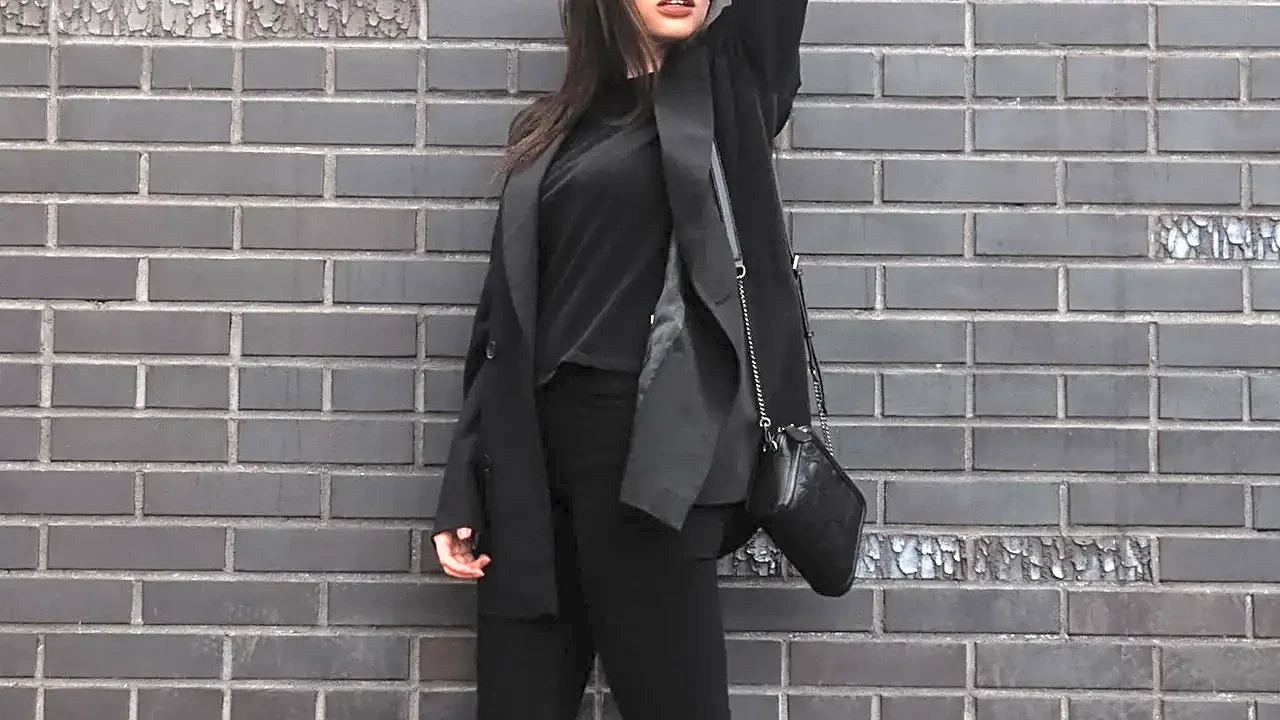
The fashion at Frieze Masters is a world away from the peacocking seen at many international art events. While its sibling fair might attract more eccentric or trend-driven looks, the Masters aesthetic is defined by restraint and intelligence. Think less about logos and 'It' bags and more about impeccable tailoring, luxurious fabrics like cashmere and silk, and sculptural silhouettes. It’s a style often described as 'quiet luxury', but here it’s imbued with an academic rigor. The dominant uniform consists of investment pieces from brands known for their artistic sensibility—think The Row, Phoebe Philo-era Céline, Dries Van Noten, or vintage Issey Miyake. The goal isn't to shout for attention but to telegraph a quiet confidence that suggests you belong there, appreciating a 17th-century still life just as you appreciate the cut of your own jacket.
Dressing as a Form of Curatorial Practice
The 'fashion literacy' rewarded at Frieze Masters is the ability to use clothing to engage with art history. It's about dressing in a way that shows you've done your homework. For instance, the 2026 fair features a major curated section titled 'Queering Modernism', which explores the influence of gender and sexuality on 20th-century art. An attendee with this literacy might nod to it with their attire, perhaps by referencing the androgynous tailoring of the 1920s or the subversive aesthetics of postmodern artists. Another might wear a color palette that subtly echoes the tones of a Flemish masterwork or a silhouette that recalls a specific modernist sculpture. It's a deeply referential way of dressing that complements the art without competing with it. In this context, your outfit becomes a personal curatorial statement, a dialogue with the works on display.
A Masterclass in Personal Style
This approach to dressing is less about consumption and more about collection. The most admired outfits are often those that mix timeless contemporary pieces with unique vintage finds, creating a look that feels personal and assembled over time rather than bought off a mannequin last week. You'll see a gallery director in a perfectly cut blazer paired not with heels, but with elegant, comfortable flats suitable for hours of walking the aisles. You'll spot a seasoned collector in a coat that is itself a piece of design history. These individuals aren't just wearing clothes; they are demonstrating a fluency in the languages of both art and design. They understand proportion, texture, and history, and they apply that understanding to their own presentation. Their style is a testament to the idea that looking good is not about being the loudest person in the room, but the most interesting.