

More Than Just a Fastener
In costume design, nothing is accidental. Every stitch, color, and accessory serves a purpose, and the belt is a prime example of functional storytelling. Think about it: a belt anchors a character's silhouette, provides a place for tools or weapons,
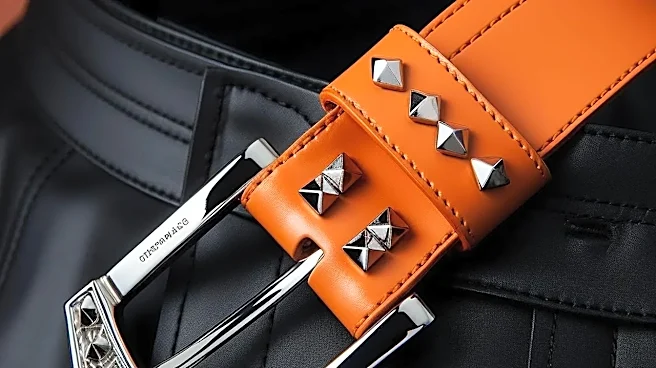
and breaks up the visual monotony of a costume. But its true power lies in the subtle information it conveys. Is the belt made of rough, untreated leather or polished, exotic hide? Is the buckle a simple iron loop or an ornate, gem-studded emblem? These choices instantly communicate a character's social standing, profession, and even their personal history. A simple accessory can distinguish a scrappy survivor from a pampered noble before a single word is spoken.
The Language of Materials and Weathering
The story of a belt often begins with its material. A thick, wide leather belt, like the one worn by Indiana Jones, suggests ruggedness and practicality, built to withstand harsh environments while holding his signature whip. In contrast, a delicate silk sash might denote a scholar or a courtier, someone unburdened by physical labor. The material choice grounds the character in their world. For cosplayers, this is a crucial step that can often be achieved with clever techniques using affordable materials like EVA foam to realistically mimic worn leather or gleaming metal. Weathering takes this a step further. A brand-new, pristine belt on a battle-hardened warrior feels wrong. Scuffs, scratches, and stains tell tales of past struggles and narrow escapes. A frayed edge might hint at years of use and limited resources, adding a layer of authenticity that makes the character feel lived-in and real. This attention to detail shows the difference between simply wearing a costume and truly embodying a character.
Pouches, Holsters, and Personality
What a character hangs from their belt is often as revealing as the belt itself. Batman's utility belt is perhaps the most famous example in pop culture; it's a direct reflection of his core philosophy: preparedness. Each pouch and gadget signifies his reliance on technology and intellect over superpowers. For a cosplayer, building a utility belt isn't just about crafting props; it's about understanding the character's methods and mindset. A gunslinger's belt in a Western, like Clint Eastwood's in 'The Good, the Bad and the Ugly', is positioned for a quick draw, defining the character's deadly profession. In fantasy settings, an adventurer might have pouches for potions, a map case, and a waterskin, all essential items that hint at a life on the road. These attachments are not just decoration; they are functional extensions of the character's identity and daily life, offering cosplayers a fantastic opportunity to add personalized, narrative-rich details.
The 'Too Many Belts' Trope as an Identity Marker
Sometimes, the story a belt tells is one of pure, unapologetic style. No discussion of belts in character design is complete without mentioning Tetsuya Nomura, the famed designer for games like 'Final Fantasy' and 'Kingdom Hearts'. Characters like Lulu from 'Final Fantasy X', whose skirt is literally made of belts, or Cloud Strife with his various harnesses, exemplify a design philosophy where belts become a stylistic signature. While often parodied, this 'too many belts' trope creates a distinct and memorable visual identity. For these characters, the belts may not be purely functional in a traditional sense; instead, they serve as a form of visual branding. They communicate a certain 'coolness' and complexity, and for cosplayers, replicating these intricate designs is a challenge that signals deep dedication to the source material. It shows an understanding that sometimes, a belt’s job isn't to hold up pants, but to hold up a whole aesthetic.