
For decades, black has been the undisputed champion of chic. It's slimming, versatile, and effortlessly cool. But what if its quieter cousin, gray, could offer something more? The secret isn't the shade,
but the surface.
The Unchallenged Reign of Black
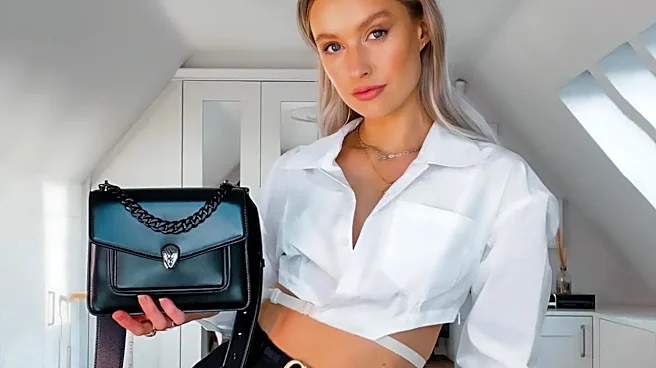
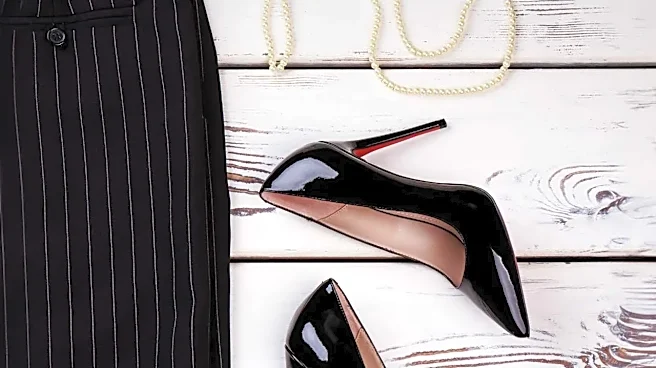
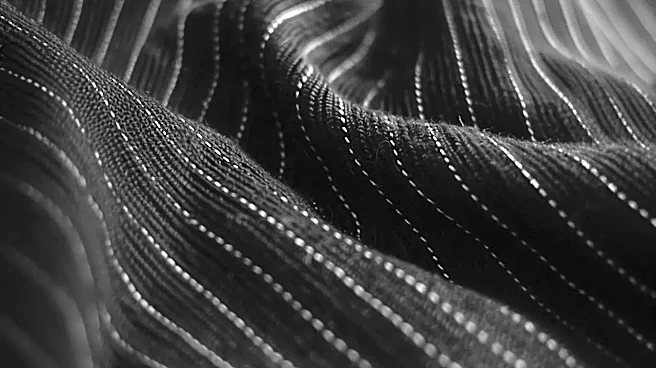
Let’s be honest: black is easy. An all-black outfit is a reliable uniform for creatives, executives, and anyone in a hurry. It absorbs light, creating a clean, uninterrupted silhouette that reads as sophisticated and intentional. But this strength can also be a weakness. By absorbing so much light, black can sometimes flatten the details of a garment, causing the subtle weave of a knit or the grain of a fabric to disappear into a single dark mass. Gray, on the other hand, sits just a few steps higher on the value scale. That slight bit of lightness is a game-changer. It allows the natural shadows and highlights within a fabric's weave to become visible, revealing its inherent texture and making the color appear richer and more dimensional.
How Texture Rewrites the Rules
Texture is what makes clothing a tactile, three-dimensional experience. It’s the difference between the slick glide of satin and the cozy resistance of wool. In the world of neutrals, texture is everything. While a flat, matte gray can sometimes feel corporate or uninspired, the same color in a different material tells a new story. A rough, nubby texture like tweed or bouclé will absorb light, giving gray a soft, muted, and approachable feel. A shiny surface like silk or satin does the opposite, reflecting light to make gray look luminous, fluid, and expensive. This interplay of light is what prevents a monochromatic gray outfit from looking flat or boring; instead, it becomes a curated study in surface and shadow.
A Field Guide to Tactile Grays
To truly unlock gray’s potential, you need to think like a textile designer. Each fabric offers a different personality. A chunky cashmere or merino wool sweater in charcoal gray feels luxurious, cozy, and deeply comforting. The soft halo of the fine fibers catches the light in a way that suggests warmth and sophistication. Now, imagine that same charcoal gray in a silk blouse. The color becomes liquid and dynamic, shimmering with every movement. It feels elegant and refined. For a more structured look, consider corduroy, tweed, or even a washed gray denim. These materials give gray an architectural or utilitarian edge, making it feel modern and cool. The key is to understand that you're not just choosing a color; you're choosing a feeling.
The Art of the All-Gray Outfit
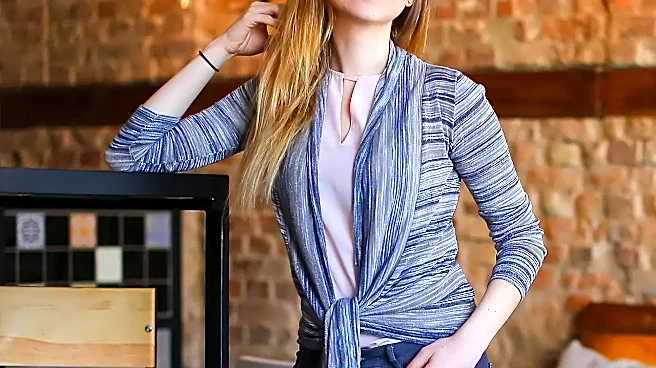
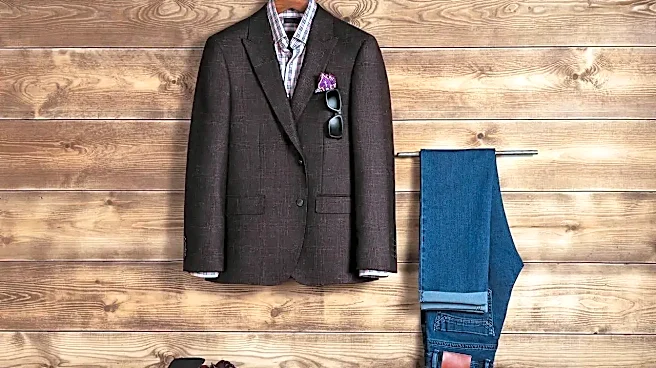
Wearing gray from head to toe—once jokingly called the 'groutfit'—has become a hallmark of sophisticated, minimal style. The trick to getting it right is contrast, not in color, but in texture. Pair a soft, heather gray knit sweater with sleek, charcoal-colored leather pants. Combine a structured wool blazer with a fluid silk camisole underneath. The goal is to create a dialogue between the pieces. A recommended method is to use three different shades or textures: a light gray piece near your face to brighten your complexion, a dark gray anchor piece like trousers or a skirt, and a mid_tone gray element to connect them. This layering of textures and tones is what makes the outfit look deliberate and polished, rather than like you accidentally put on a uniform.