


The Mandate for Sharpness
First, let's talk about the rules. Royal Ascot is governed by one of the strictest dress codes in the world. For women in the Royal Enclosure, dresses must be of a “modest length” (falling just above the knee or longer), straps must be at least one inch
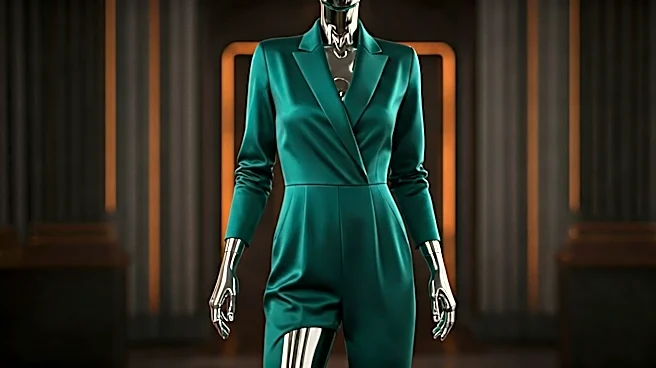
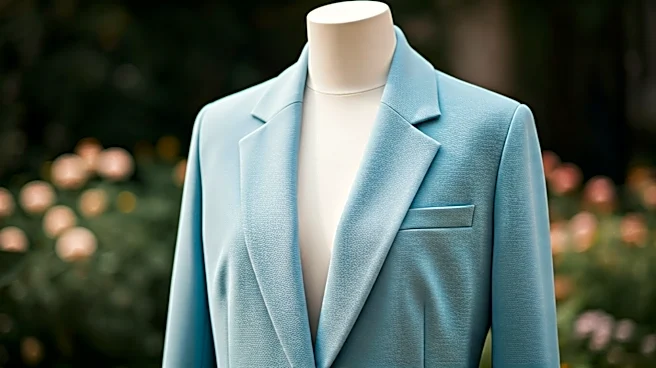
wide, and hats are non-negotiable. These regulations aren't just about propriety; they create a baseline of formality. They demand structure. This is the “sharp” side of the equation: crisp tailoring, defined silhouettes, and an adherence to form. Think of a perfectly cut coat dress, a sharply pleated skirt, or the clean lines of a well-fitted blazer. This framework prevents the event from dissolving into a sea of unstructured sundresses. It’s the architectural skeleton upon which the entire aesthetic is built, ensuring every look has a backbone.
The Impulse Toward Softness
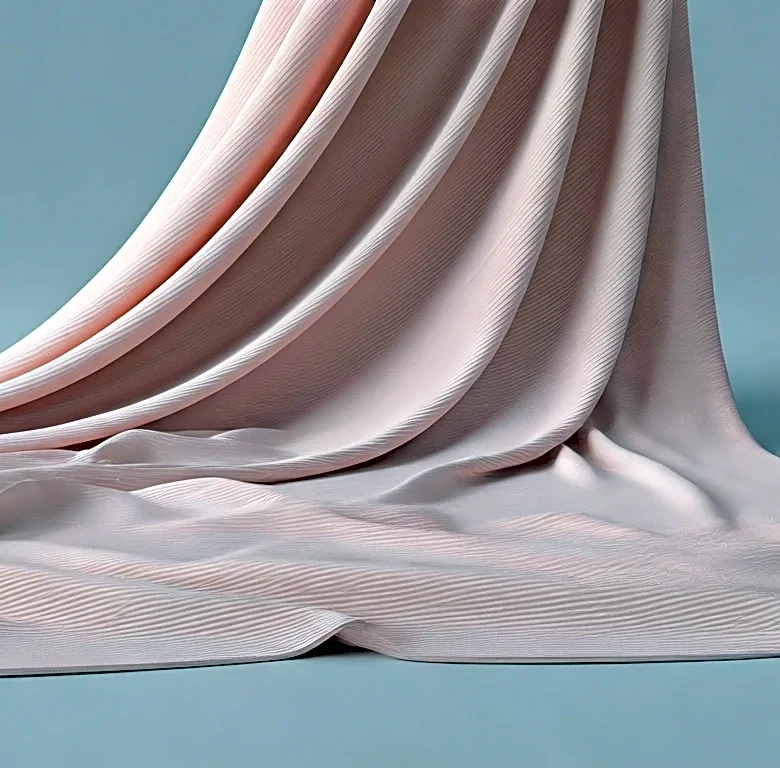
But a wardrobe of pure structure would be rigid and joyless. The genius of Ascot style lies in its embrace of the “soft.” This is the romance, the whimsy, the nod to the idyllic English countryside setting. It manifests in floral prints, delicate lace, flowing silk, and a palette of pastels that look like they’ve been plucked from a watercolor painting. This is where personal expression flourishes. While the rules dictate the *shape* of the garment, the choice of fabric and pattern allows for personality. A gentle drape of chiffon, the subtle sheen of silk crepe de chine, or an explosion of embroidered botanicals—these elements provide the breathability and movement that make the outfits feel alive, not just like uniforms.
Where the Two Forces Meet
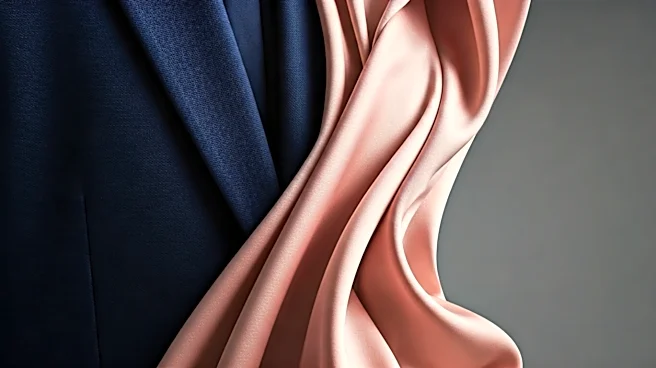
The most successful Ascot outfits are not purely sharp or purely soft; they are a brilliant fusion of both. This is where the magic happens. Picture a dress with a razor-sharp, structured bodice that gives way to a full, flowing skirt in a romantic floral print. Or consider a tailored, single-breasted suit—the epitome of sharpness—rendered in a gentle powder blue or blush pink. Look at style icons like Princess Eugenie or Zara Tindall, who often master this balance. You'll see a dress with a severe, high neckline and precise knife pleats, but crafted from a delicate, floaty fabric. The contrast is everything. The structure gives the softness purpose, and the softness keeps the structure from feeling severe. It’s a sartorial conversation between control and freedom, resulting in looks that are both powerful and poetic.
The Hat as the Final Statement
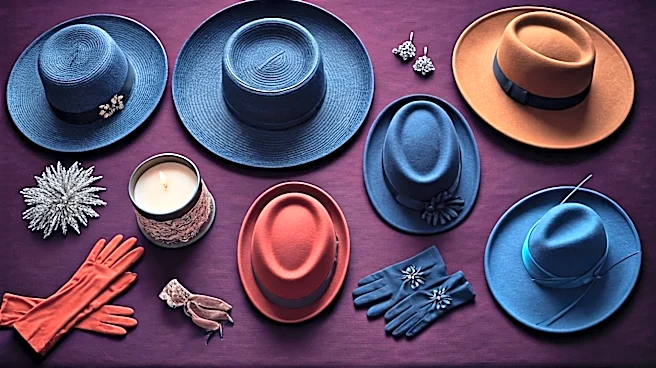
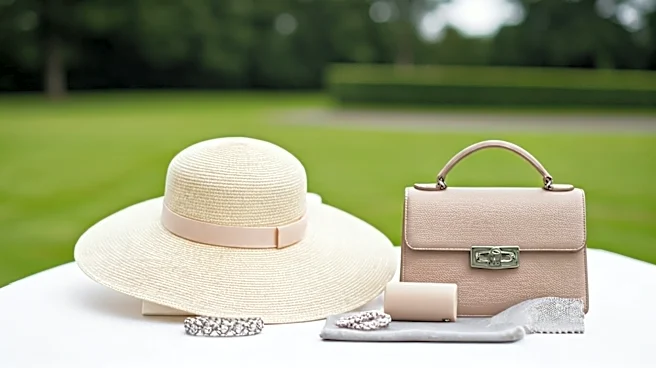
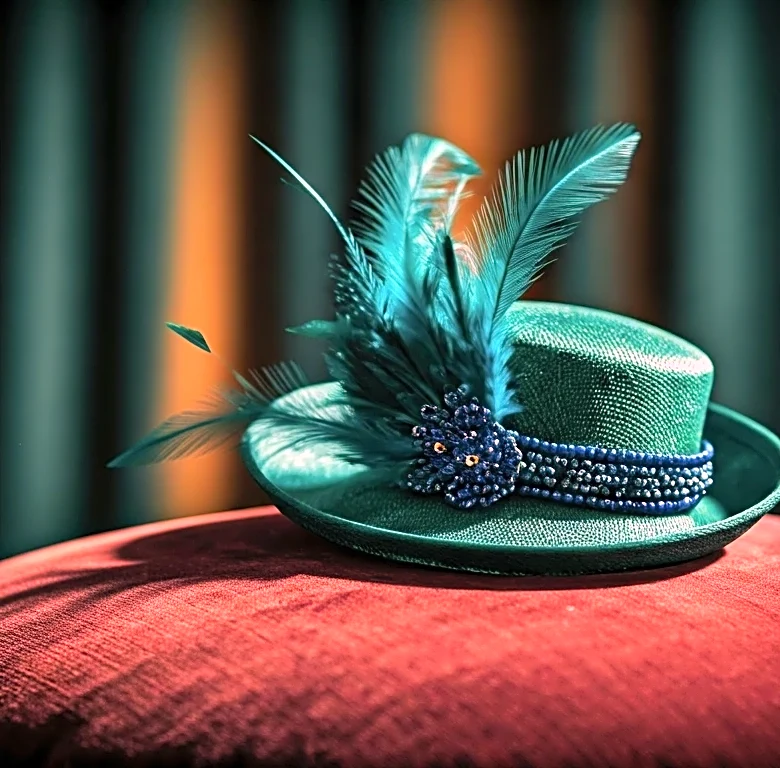
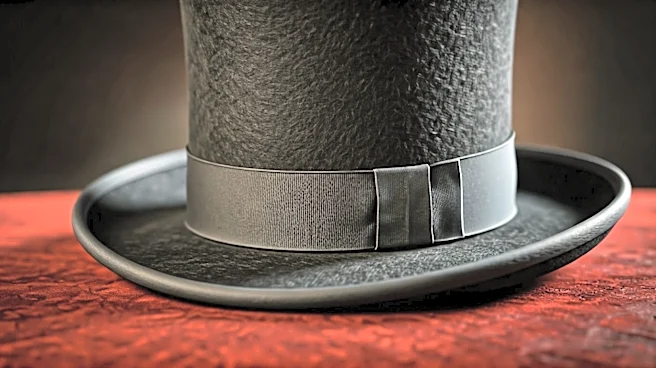
Nowhere is this tension more apparent than in the millinery. The hat is the exclamation point of any Ascot look, and it is the ultimate playground for soft vs. sharp. A milliner might start with a sharp, architectural base—a wide, flat disc or a tilted, angular fascinator—and then adorn it with soft, organic elements. Think of sculpted horsehair sinamay creating sharp loops, then decorated with a cascade of soft silk flowers or delicate, trembling feathers. Conversely, a hat might have a soft, rounded cloche shape that is then punctuated by a single, sharp, arrow-like quill. The hat is a microcosm of the entire outfit's philosophy, balancing sculptural form with natural beauty. It’s the piece that most explicitly demonstrates that at Royal Ascot, true elegance is found in the beautiful friction between two opposing ideas.