



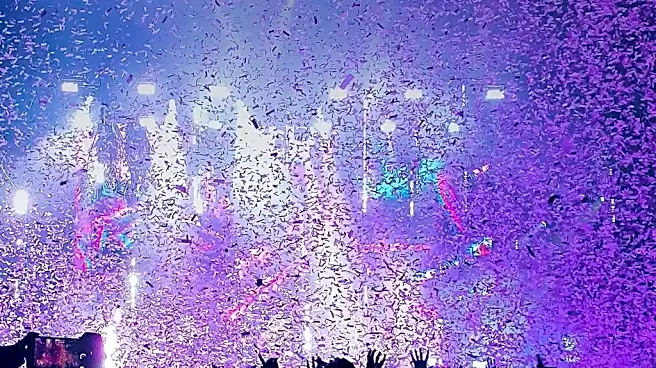
A Playlist Brought to Life
The core genius of the iHeartRadio Music Festival is that it’s built like a modern streaming playlist, not an old-school radio station. In an era where listeners skip from hip-hop to pop-punk to country on a single Spotify or Apple Music playlist, the festival's
eclectic booking feels natural. The lineup for the 2026 festival, for instance, puts K-pop titans BTS, hip-hop icon Snoop Dogg, alt-rockers The Smashing Pumpkins, and country star Kenny Chesney all under the same roof. This approach mirrors how millions of people, especially younger audiences, consume music: based on mood and moment, not rigid genre lines. The festival abandons the niche focus of events dedicated purely to rock or EDM, instead creating a buffet of popular music. This ensures there's always something for the listener who loves today's biggest hits, regardless of category.
The Masterclass in Mass Appeal
From a business perspective, mixing genres is a masterstroke. By catering to multiple fanbases, iHeartMedia, a company built on reaching a broad radio audience, maximizes its appeal. A festival with only pop acts appeals to pop fans. But a festival with pop, rock, country, and hip-hop creates a powerful incentive for disparate groups of friends to attend together. It's a strategy designed for retention, not just attendance. The goal is to get a country fan to stay for a rock set, and a pop fan to discover a new dance artist. As iHeartMedia executives Tom Poleman and John Sykes often state, the festival is about bringing together the biggest artists across every genre to reflect the diversity of music today. This multi-genre approach makes the festival a big-tent event, justifying its place in a massive venue like Las Vegas's T-Mobile Arena and powering a nationwide broadcast and livestream on platforms like Disney+ and Hulu.
Engineering Unforgettable 'Moments'
Beyond the diverse lineup, the festival is famous for engineering unexpected, one-of-a-kind collaborations that are practically designed to go viral. These moments are a core part of the festival's DNA. History is filled with examples: Prince performing with Mary J. Blige, Lady Gaga singing alongside Sting, or Kesha and Joan Jett rocking out to "Bad Reputation." These aren't happy accidents; they are carefully orchestrated surprises that generate buzz long after the weekend is over. By placing artists from different worlds in the same space, the festival creates a fertile ground for these memorable mashups. The possibility that two megastars from opposite ends of the musical spectrum might share the stage becomes a powerful draw, encouraging viewers to tune in live so they don't miss out on what could be the next legendary performance.
A Content Engine for a Media Empire
Ultimately, the iHeartRadio Music Festival is more than a concert; it's a massive content engine for its parent company. iHeartMedia is the largest radio owner in the United States, and the festival serves as a flagship event to promote its brand and provide exclusive content for its 150-plus markets. A lineup featuring Kenny Chesney and Lainey Wilson provides content for its country stations. Performances by Muse and Weezer feed the rock and alternative stations. Sets from Cardi B and Zara Larsson fuel the Contemporary Hit Radio (CHR) stations. This strategy ensures every format cluster iHeart operates gets a piece of the action, creating a feedback loop where the radio promotes the festival and the festival provides content for the radio. It's a living, breathing advertisement for the iHeartRadio brand itself, showcasing its cultural footprint across the entire audio landscape.