




Beyond Fit and Flattery
The first mistake many of us make when looking at a couture garment is judging it by ready-to-wear standards. We see a waistline and our brains immediately process it through a filter of 'Does this create an hourglass figure?' or 'Would that look good
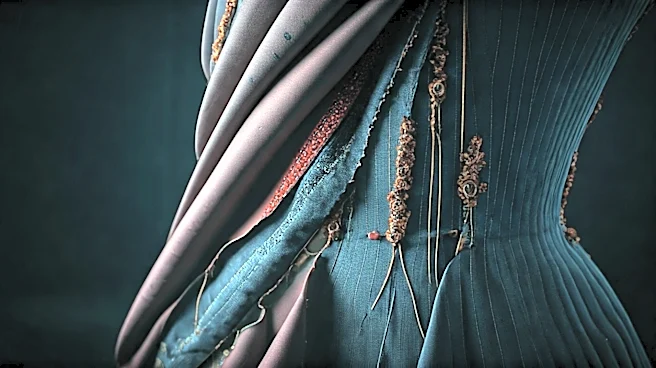
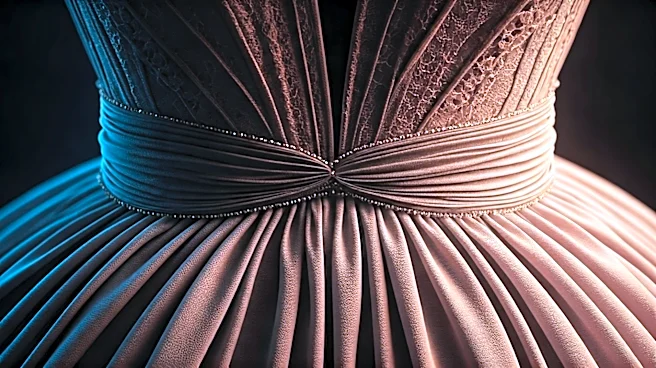
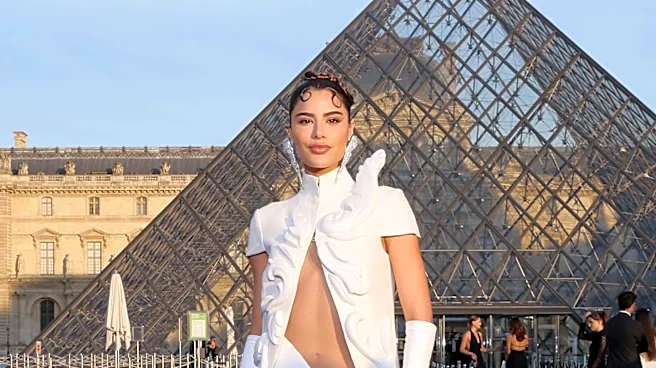
on me?' But haute couture operates on a different plane. For designers, the waist is not just a point to cinch for flattery; it is the silent architect of the entire silhouette. It's a line of inquiry, a place to pose questions about the body, history, and freedom. The recent Fall/Winter 2026 shows in Paris were a masterclass in this very principle. Designers used the waist to talk about everything but making a woman's waist look smaller. Instead, they explored structure, softness, and outright rebellion against convention.
A Cinch in Time
To understand what designers are doing now, you have to appreciate the historical weight of the waist. For centuries, it’s been a battleground. The tightly-laced corsets of the Victorian era exaggerated the figure as a symbol of status and fragility. Then came the roaring twenties, when designers like Coco Chanel dropped the waist to the hip on loose, boyish dresses, a radical gesture of liberation that allowed women to move and dance with newfound freedom. The 1950s saw a return to cinched-in glamour with Dior's New Look, which re-established the hourglass as the aspirational ideal. Every shift in the waistline—from the high empire waists of the Regency era to the low-slung belts of the early 2000s—tells a story about cultural values and the changing role of women. Today's designers have this entire history at their fingertips, and they're using it to create new dialogues.
The Disappearing and Distorting Act
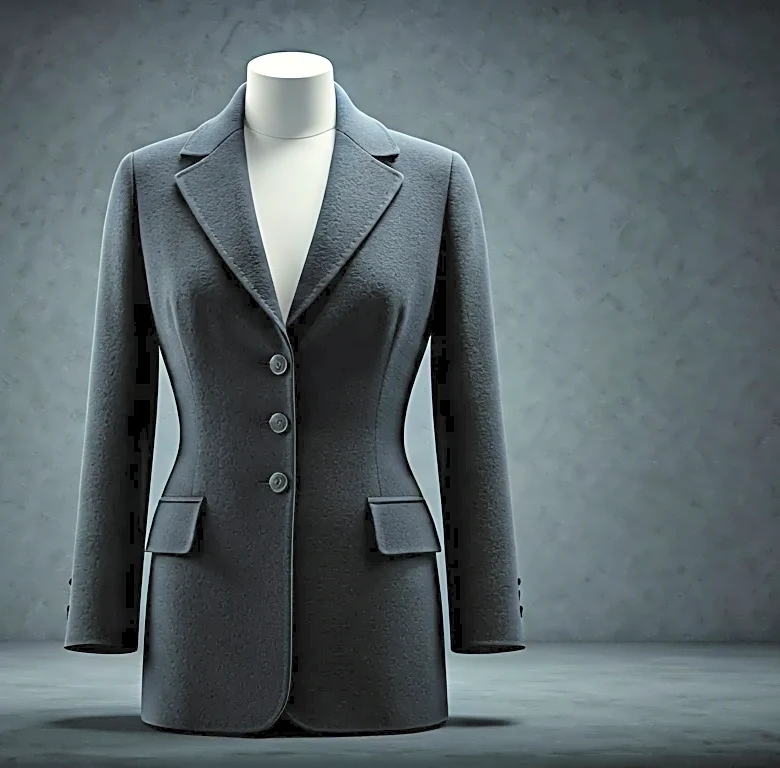
At Chanel's recent show, the waist was often a moving target. Designer Matthieu Blazy presented dramatically drop-waisted silhouettes that nodded to the flapper era, relocating the body's focal point southward and creating a sense of relaxed, elongated ease. These weren't just loose dresses; they were deliberate statements on softening Chanel's traditionally structured codes, favoring fluidity over rigidity. Elsewhere, at Dior, Jonathan Anderson played with shortened Bar jackets paired with puffy skirts, creating a silhouette that was staid on top and romantic on the bottom, suggesting more was going on under the surface. Schiaparelli's Daniel Roseberry, known for his surrealist tendencies, used precise tailoring to sculpt the body, but also employed trompe-l'oeil effects and strategic cutouts that made you question where the garment ended and the body began. This is the waistline as a conceptual tool—less about defining a shape, and more about deconstructing it.
Reading the Modern Waist
So, what are we to make of a waist that is dropped, raised, ignored, or turned into a sculptural illusion? It's a reflection of a modern approach to femininity that rejects a single ideal. A high empire waist, as seen throughout history, can suggest innocence or romanticism, elongating the body in a nod to neoclassical grace. A dropped waist can signal a rebellious, carefree spirit. A completely un-cinched, flowing silhouette, as seen in some of Dior's more aquatic-themed pieces, speaks of a desire for comfort, freedom, and a return to nature. When a designer like Schiaparelli creates a sharply tailored jacket with a sculpted waist, it isn't just about an hourglass; it's about projecting power, confidence, and a form of protective, psychological armor. The waist becomes a statement on whether the garment is meant to control the body or liberate it.