




The Promise of an 'Easy' Fix
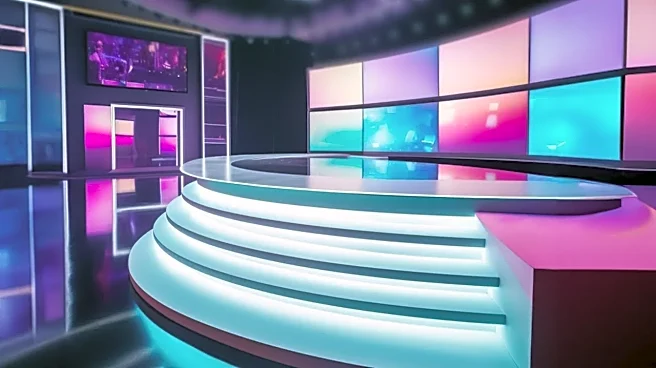
First, let's be clear about what virtual production (VP) is. At its most basic, it replaces traditional green screens with massive, high-resolution LED walls that display a digital background in real-time. Using powerful video game engines, this environment
moves as the camera does, creating perfect parallax and realistic lighting on actors and physical sets. For directors and actors, it's a dream; they can see and react to the world they're in, instead of guessing against a sea of green. The promise was revolutionary: capture final-pixel visual effects in-camera, slash post-production time, and bypass the logistical headaches of location shoots. On paper, it sounded like it would make creating stunning visuals simpler than ever.
The 'Fix it in Pre' Nightmare
The single biggest misconception about virtual production is that it saves work. In reality, it doesn't eliminate work—it just moves it. The old industry joke was "we'll fix it in post." The new reality of VP is "we have to perfect it in pre-production." Before a single frame is shot, every digital asset for the LED walls must be designed, built, textured, and lit to a photorealistic, Emmy-worthy standard. This front-loads a colossal amount of creative decisions and technical labor that used to happen over months in post-production into a frantic pre-production window. There is no room for error or indecision. This shift requires a completely different production pipeline and puts immense pressure on visual effects artists to deliver final-quality work before the cameras even roll.
In-Camera Finals Are a Myth
The idea that what you shoot in the 'Volume' is what makes it to air is another popular myth. While many shots benefit hugely, achieving the seamless quality demanded by the Television Academy often requires significant post-production work. For season one of The Mandalorian, it was reported that only about 50% of the shots were considered final in-camera. The rest needed touch-ups to hide seams between LED panels, fix moiré patterns that occur when a camera films a screen, or paint out tracking equipment. Furthermore, some complex visual effects are still too computationally intensive to be rendered in real-time at the required quality, meaning artists must add or enhance them in post. It's less of a final shot and more of a very high-quality starting point.
New Tech, New Artistic Headaches
Virtual production stages are not a simple plug-and-play solution. They introduce a host of new, highly technical challenges that require a new breed of artist and technician. Getting the color science right so the LED panels look correct on camera is a discipline in itself. Lighting a scene becomes a delicate dance between physical lights on set and the light being emitted from the screens, which can't replicate the harsh brightness of a real sun, for example. These limitations mean that VFX supervisors are constantly problem-solving on set, blending old techniques with new ones and sometimes even having to switch to a green screen background on the fly for a particularly difficult shot. This isn't a simpler process; it's a more complex, hybrid one.
The Emmy Standard Doesn't Do 'Good Enough'
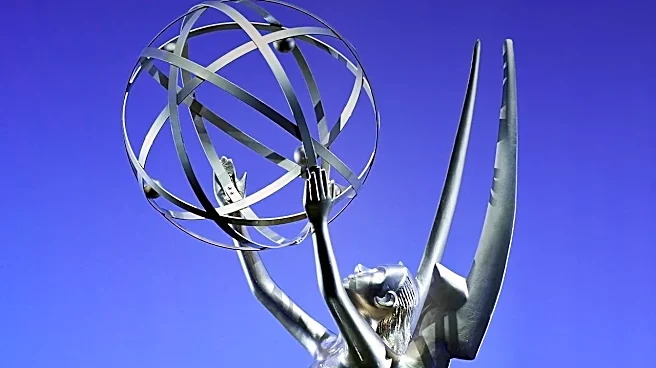
Ultimately, winning a Creative Arts Emmy for Visual Effects is about recognizing outstanding and innovative achievement. The standard is not just photorealism, but artistry and seamless integration that serves the story. While virtual production is a powerful tool, its current limitations mean that relying on it alone often produces results that are merely 'good enough,' not award-winning. The technology has visible constraints that VFX artists must then painstakingly paint over. To reach that Emmy level, teams must use the Volume as a component within a larger VFX workflow, spending countless hours in post-production to elevate the footage from what the machine can do to what the story demands. The 'magic' is still wielded by the artists, not the technology itself.