







A Uniform of National Identity
In international soccer, there are no team mascots, and players don’t represent a city—they represent an entire nation. The flag is the uniform for the fans. It’s a simple, powerful way to declare allegiance and forge an instant bond with thousands of
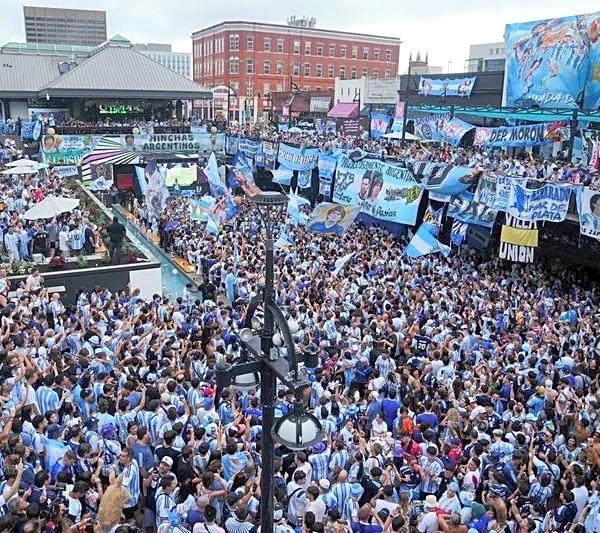
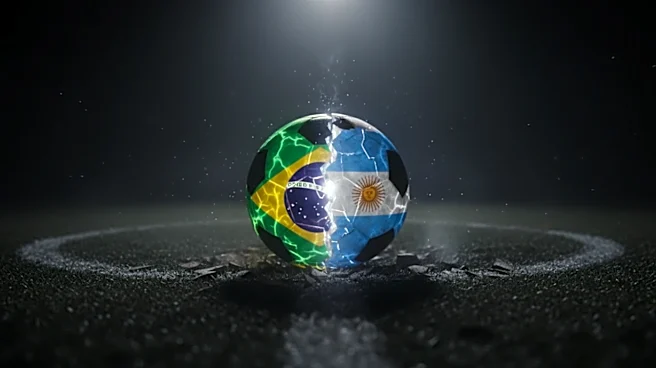
strangers who share a common heritage and a common hope. When you see a sea of Brazilian yellow and green or a stadium draped in Argentina's blue and white, you're seeing more than support for a team; you're witnessing a massive, temporary gathering of a tribe. This visual spectacle transforms the stadium into a vibrant, energetic cauldron of passion, creating an atmosphere that both fuels the players and becomes part of the action itself. Every four years, these simple pieces of cloth become the most visible symbols of belonging on the planet.
A Peaceful Battlefield for History
For many countries, the soccer pitch is the one place they can compete as equals on the global stage. A nation's flag carries its entire history—its triumphs, its struggles, its heroes, and its ideals. When two teams play, it’s not just 22 players kicking a ball; it’s a symbolic contest between national stories. The World Cup has a way of sanitizing nationalism, making it acceptable and even celebratory. Historical grievances and geopolitical tensions can be played out metaphorically, offering a stage for national pride without conflict. For smaller nations, or those often overlooked in global politics, a victory at the Cup is a moment of immense visibility and validation, announced to the world by the triumphant waving of their flag.
More Than Just One Nation
The meaning of a flag isn't always straightforward. Modern national teams are often multicultural, with players from diverse backgrounds and immigrant families representing their country. This challenges old, narrow definitions of nationhood and turns the flag into a symbol of a more complex, modern identity. At the same time, flags can become points of controversy. In some cases, fans may wave flags of stateless nations or regions, using the global audience to make a political statement. In others, as seen with Iran's pre-revolutionary flag at recent matches, different flags can represent deep political divisions within a single country. FIFA itself has rules banning flags it deems political or offensive, but enforcing these rules is a constant and contentious challenge.
A Symbol of Unity and Hope
Despite the underlying tensions, the overwhelming role of flags at the World Cup is one of unity. They are symbols of shared experience, connecting generations of fans to a collective dream. The sight of players wrapping themselves in their nation's flag after a victory is one of the tournament's most enduring images, a powerful expression of personal achievement merging with national pride. The flag represents the hope that, against all odds, your team—and by extension, your country—can achieve something remarkable. It rallies the spirit, inspires players and fans alike, and provides a common language of emotion that transcends cultural and linguistic barriers, reminding us why this tournament captures the world's attention every four years.