





The Architect Before the Applause
Long before the band steps onto a festival stage, the musical director (MD) is deep in the trenches of pre-production. Their job starts weeks, or even months, in advance. The MD is responsible for translating an artist's studio album into a compelling
live show. This isn't just a matter of playing the songs as they were recorded. It's about reimagining them for a live environment. The MD works with the artist to decide the setlist, craft dynamic arrangements, create medleys, and figure out how to transition smoothly from a ballad into an anthem. They are often tasked with assembling the band itself, holding auditions to find the right musicians who not only have the chops but also fit the artist's vibe. Then come the rehearsals, which the MD leads, teaching each player their parts, tightening up the arrangements, and ensuring the entire ensemble operates as a single, cohesive unit. They are the ultimate quality control, making sure the musical foundation is solid before it ever faces an audience.
The On-Stage Quarterback
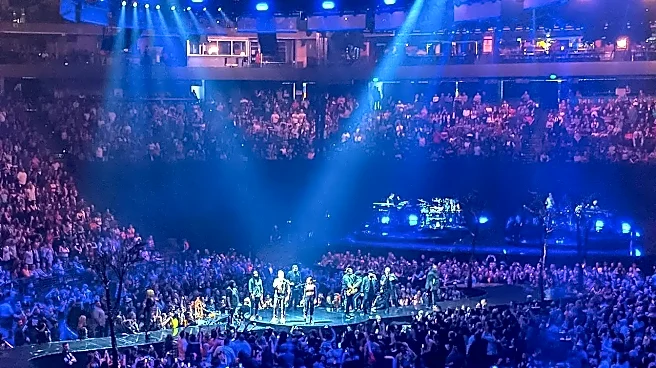
During the performance, the musical director transforms from architect to on-stage quarterback. While the lead artist is focused on connecting with the crowd, the MD is the band's nerve center. Often playing an instrument like keys or guitar, they are also simultaneously guiding the rest of the musicians. This is done through a combination of subtle head nods, visual cues, and, most critically, a talkback microphone that allows them to speak directly into the other band members' in-ear monitors without the audience hearing. They might call out an upcoming chord change, cue a solo, or direct a change in dynamics. If the artist decides to extend a song or interact with the crowd unexpectedly, it’s the MD’s job to react in real-time, keeping the band locked in and ready for whatever comes next. They are also responsible for managing any pre-recorded tracks or sounds, ensuring they are triggered at the exact right moment to sync with the live performance.
Master of Crisis in a High-Pressure World
Nowhere is an MD more valuable than in the chaotic environment of a music festival. Unlike a standalone concert, festival sets are defined by tight schedules and unforgiving logistics. Bands often have drastically shortened soundcheck times, or sometimes none at all. The MD is the point person for navigating this pressure cooker. If a piece of equipment fails mid-set, a cable goes bad, or the sound mix in the monitors is off, they are the first line of defense, troubleshooting the issue while keeping the performance on track. They have to be masters of adaptation. For instance, if the artist decides to add a cover song at the last minute to win over a new crowd, it's the MD's job to quickly teach the band the basics or create an arrangement on the fly. Their ability to remain calm and decisive under pressure is what separates a trainwreck from a triumphant, memorable festival moment.
The Artist's Ultimate Translator
Ultimately, the musical director serves as a bridge between the artist's vision and the band's execution. This requires a unique blend of skills. They need to be an exceptional musician with a deep understanding of theory, arrangement, and technology. But just as importantly, they need strong interpersonal and communication skills. They must be able to earn the trust of the artist, understand their creative impulses—which may not always be expressed in technical musical terms—and translate that vision into clear, actionable instructions for the band. They are part-producer, part-conductor, part-bandleader, and part-therapist, creating a collaborative environment where every musician can perform at their best. The MD's success is measured by their invisibility; if the show feels effortless and seamless, it means they have done their job perfectly.