






The Inevitable Frontrunner
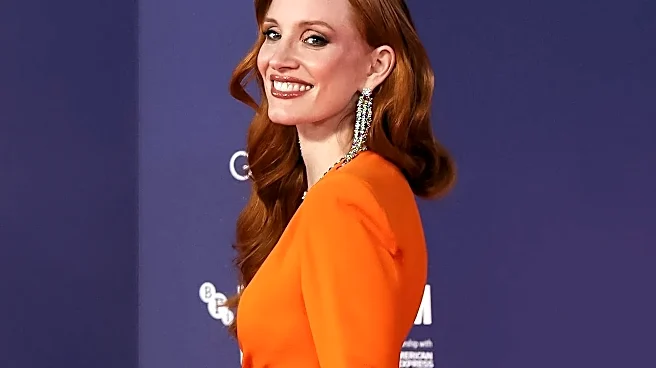
By the start of 2013, Jessica Chastain was more than just a movie star; she was a phenomenon. After a breakout 2011 that saw her appear in a half-dozen films, including her first Oscar-nominated role in The Help, she took on the defining project of her career:
Zero Dark Thirty. Her portrayal of Maya Harris, the relentless CIA analyst at the heart of the hunt for Osama bin Laden, was a masterclass in controlled intensity. Critics raved, and the awards piled up. She won the Golden Globe and the Critics' Choice Award for Best Actress. The industry consensus was clear: Chastain was the one to beat. Her performance was complex, demanding, and the anchor of a critically acclaimed, high-stakes thriller. The path to her first Best Actress Oscar seemed all but paved.
The Charismatic Challenger
Meanwhile, another young star was having a moment of her own. At 22, Jennifer Lawrence was already a global celebrity thanks to The Hunger Games, but her role in Silver Linings Playbook showcased a different kind of talent. As Tiffany Maxwell, a sharp-witted young widow navigating grief and mental illness, Lawrence was magnetic, funny, and deeply relatable. The film was a crowd-pleasing hit, a romantic comedy-drama that balanced heavy themes with charm and hope. While Chastain’s performance was admired for its icy precision, Lawrence’s was loved for its chaotic warmth. She represented a completely different kind of contender: the irresistible force of pure, unfiltered charisma, both on-screen and off.
A Collision of Narratives
So, what happened? The upset wasn’t caused by one single factor, but a perfect storm of them. First, Zero Dark Thirty became mired in political controversy. The film's depiction of torture in gathering intelligence sparked heated debate and public criticism, with some Hollywood figures even calling for an awards boycott. This cloud of controversy undoubtedly made some Academy voters uncomfortable. In contrast, Silver Linings Playbook was the feel-good story of the season. At the same time, Lawrence was conquering the campaign trail with a seemingly endless supply of viral-ready quotes and relatable charm, culminating in her memorable trip on the way to accept the award. Where Chastain’s campaign was tied to a serious, difficult film, Lawrence’s was powered by sheer likability. When Lawrence won the Screen Actors Guild award, the momentum had officially shifted, and the race was hers to lose.
The Long Road Back
Losing the Oscar in 2013 wasn't the end of Chastain's story, but rather a pivotal chapter. In the years that followed, she continued to build an impressive and varied filmography, taking on challenging roles in films like A Most Violent Year, Miss Sloane, and Molly's Game. She avoided being typecast as the perpetually intense operative, proving her versatility across genres. She also became a powerful producer and advocate in the industry. The 2013 loss didn't diminish her status; if anything, it solidified her reputation as one of the most dedicated actresses of her generation. It created a new narrative: that of an artist whose immense talent was still awaiting its ultimate recognition from the Academy.
Redemption for Tammy Faye
Nearly a decade later, that recognition finally arrived. In 2022, Jessica Chastain won the Academy Award for Best Actress for her transformative performance in The Eyes of Tammy Faye. Her portrayal of the larger-than-life televangelist was everything the Academy loves: a full physical and vocal transformation that balanced camp with deep empathy. This time, there was no stopping her. She swept the major precursor awards, including the SAG Award she had lost nine years prior. Her win felt like a coronation, a career achievement award, and a correction of the historical record all at once. It was a victory made all the sweeter by the journey it took to get there, proving that in Hollywood, sometimes the story behind the win is just as important as the win itself.