
The Base: From Mask to Second Skin
The foundation of the 2010s look was, quite literally, foundation—and lots of it. We’re talking thick, full-coverage, ultra-matte formulas that left no imperfection un-spackled. While great for a flawless selfie, it often looked heavy and flat in person.
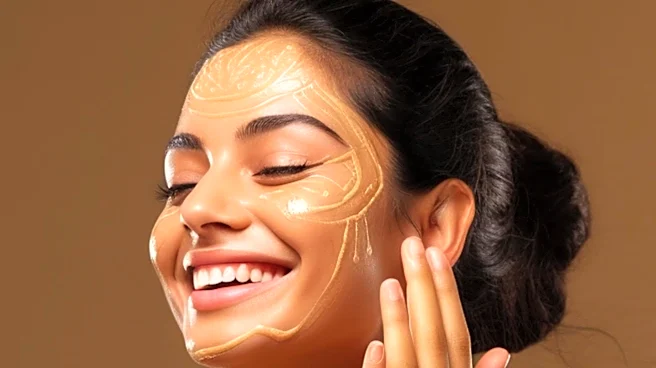
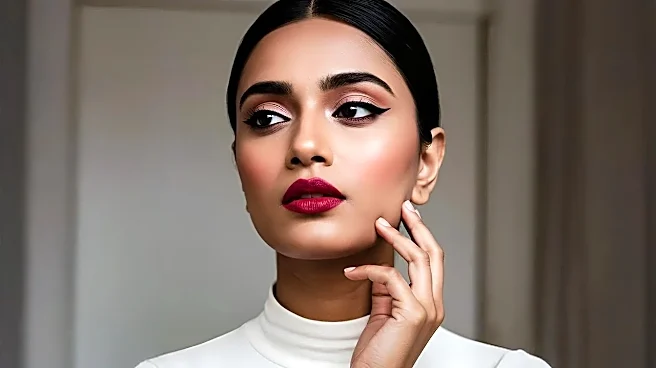
The modern approach isn’t about hiding your skin, but enhancing it. Instead of a heavy matte, opt for a satin or dewy-finish foundation. Even better, try a skin tint and use concealer only where you need it. The goal is to let your natural skin texture shine through, creating a base that looks like healthy, radiant skin, not a layer of makeup.
The Contour: From Stripe to Shadow
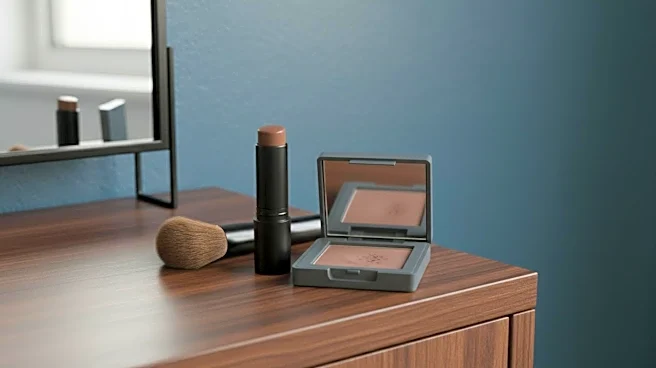
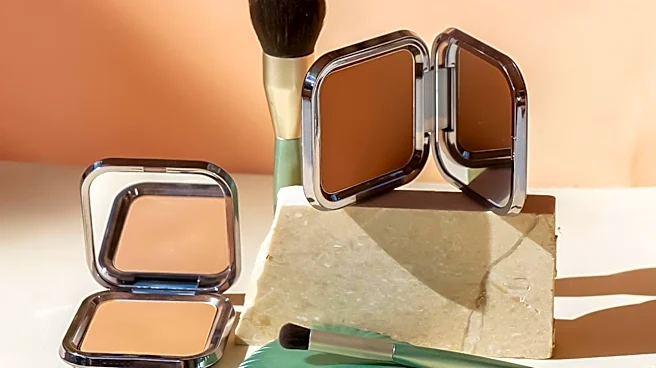
The defining feature of the 2010s face was the contour: sharp, dark stripes of powder drawn under the cheekbones, along the jawline, and down the nose. Popularized on social media, this technique was often more about transformation than enhancement, creating dramatic angles that looked powerful on camera but harsh in real life. Today, the trend has evolved into "soft sculpting." Ditch the powder palettes and embrace cream or liquid contour products. These formulas melt into the skin for a more believable shadow. Instead of drawing a hard line, apply the product slightly above the hollows of your cheeks and blend upward. This lifts the face and adds warmth and dimension without any tell-tale stripes. The goal is a subtle enhancement of your natural bone structure, not a total reinvention.
The Bake: A Light Dusting, Not a Snowstorm
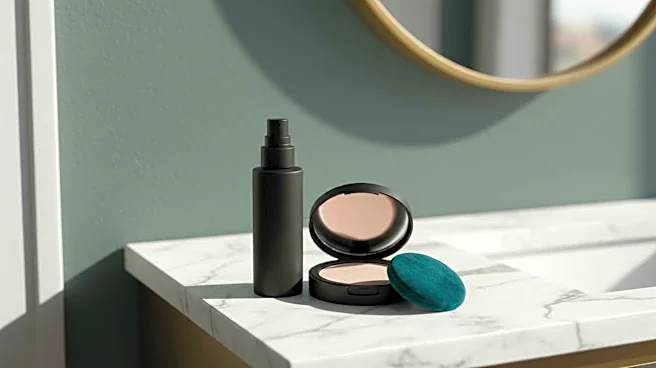
Remember "baking"? The technique involved packing on a thick layer of translucent powder under the eyes and along the jaw, letting it sit for several minutes, and then dusting it away. This set concealer and created a stark, highlighted effect. While it works for stage and drag makeup, for everyday wear it can look chalky and settle into fine lines. Doing it right in 2026 means being strategic with your powder. A light dusting with a fluffy brush is often all you need to set your concealer. If you want that brightened effect, use a finely milled powder that’s just a shade lighter than your skin tone and press it gently into the skin with a damp sponge instead of packing it on. The result is a smooth, bright under-eye that looks fresh, not dry.
The Highlight: A Glow, Not a Glare
The 2010s highlight was anything but subtle. It was a blinding, often frosty strip of shimmer across the highest points of the face. The goal was a high-impact shine visible from space. The modern sculpted look still embraces radiance, but with a “lit-from-within” philosophy. Swap the chunky glitter powders for liquid or cream highlighters. These products create a dewy, glass-skin effect that looks like a natural part of your complexion. Apply it sparingly to the tops of your cheekbones, the bridge of your nose, and your cupid’s bow. Blend it with your fingers or a sponge so there are no obvious edges. It’s the difference between a metallic stripe and a healthy, hydrated glow.
The Brows: From Blocky to Feathery
No 2010s look was complete without the iconic "Instagram brow": heavily filled in, perfectly arched, and faded in a sharp ombré at the front. While a departure from the overplucked brows of the 2000s, this style could often look severe and artificial. The updated approach keeps the fullness but loses the rigidity. Today’s sculpted look is complemented by fluffier, more natural-looking brows. Use a fine-tipped pencil to create hair-like strokes rather than filling them in completely. Then, brush them up with a tinted or clear brow gel to add texture and volume. The focus is on a full, defined shape that still looks like natural hair, framing the face without dominating it.