




The Unbreakable Bond... Or Is It?
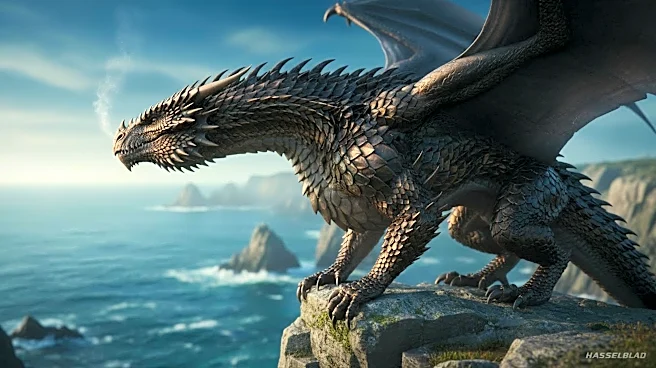
The Targaryen dynasty was built on a simple, terrifying premise: blood and fire. For centuries, the bond between a rider and their dragon was seen as absolute. A dragon accepts only one rider at a time, and a rider can only bond with one dragon. This
connection, often forged from the cradle, is mystical and deeply personal. Dragons have been known to sense their rider's distress from miles away and feel their death. But the Dance of the Dragons is straining these ancient rules. With riders falling in battle, dragons like Vermithor, Silverwing, and Seasmoke—all veterans of past reigns—are left riderless. They are not wild, but they are free agents, and their acceptance of a new rider is far from guaranteed, making them the most powerful and unpredictable weapons in Westeros.
The Sowing of the Seeds: A Desperate Gamble
Facing the colossal threat of Aemond's Vhagar, Rhaenyra’s faction made a desperate play: the Sowing of the Seeds. Prince Jacaerys called for anyone with a drop of Valyrian blood to try and claim a riderless dragon. This move, born of necessity, fundamentally changed the game. It democratized dragon-riding, taking it from a right of noble birth to a prize for the brave and the fortunate. The results were bloody, with many would-be riders turned to ash. But it was also a success, adding new dragon power to the Blacks' arsenal. The Sowing, however, created a new problem: loyalty. These new riders, or "dragonseeds," are not bound by a lifetime of allegiance to House Targaryen. They are common-born men like Addam of Hull, Hugh Hammer, and Ulf the White, motivated by promises of land and titles. Their loyalties are transactional, not ingrained.
The Two Betrayers: A Looming Threat
The most dangerous outcome of the Sowing is the rise of the dragonseeds Hugh Hammer and Ulf the White, who successfully claimed Vermithor and Silverwing, respectively. The source material, George R.R. Martin's "Fire & Blood," tells a grim story about these two, who become known as the Two Betrayers. Recent events in Season 3 have shown Ulf already being tempted by the Greens with the promise of owning Driftmark. This highlights the core risk of Rhaenyra's strategy: she has given immense power to men whose pride is easily wounded and whose allegiance can be bought. As the war grinds on, the temptation for these new, powerful players to switch sides and fight for whichever queen offers them more could become the pivotal event that shatters the Blacks' apparent dragon advantage.
The Wild Cards: Aemond, Daemon, and Rhaena
Beyond the dragonseeds, loyalty is being tested across the board. Aemond Targaryen's bond with Vhagar is one of sheer power and ambition, not the nurturing bond Rhaenyra has with Syrax. Vhagar is an ancient, wizened creature who has seen more than any living person; her allegiance is to strength, which Aemond currently provides. Meanwhile, Daemon's daughter, Rhaena Targaryen, has managed to bond with the wild dragon Sheepstealer. This act, born from a desire to prove herself, adds another unpredictable element. A wild dragon is, by its nature, less controllable, and Rhaena's own motivations are deeply personal, tied to grief and a feeling of responsibility for Jacaerys's death. Her actions may not always align with Queen Rhaenyra's broader strategy, creating potential for chaotic, unsanctioned dragon-on-dragon violence.