






The Market Behind the Magic
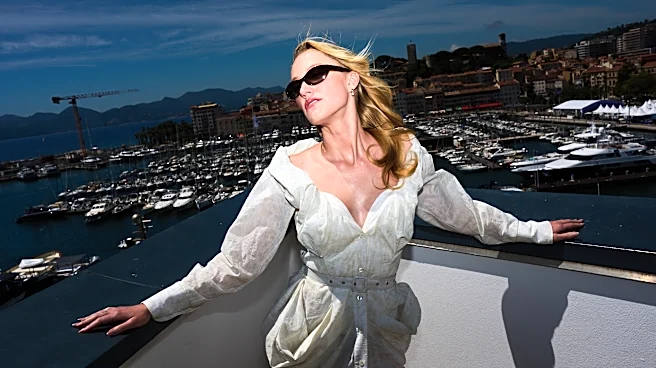
For most of us, the Cannes Film Festival conjures images of tuxedo-clad stars on a sun-drenched red carpet, basking in flashbulbs on the French Riviera. But behind the glamour and the 10-minute standing ovations lies the real engine of the festival: the Marché du Film. This is one of the largest film markets in the world, a chaotic, high-stakes bazaar where distribution rights for movies—some finished, some just a script and a prayer—are bought and sold in a frenzy. It’s less about artistic appreciation and more about raw commerce. For decades, this has been the hunting ground for savvy producers looking for the next hidden gem or breakout hit. It’s a pressure-cooker environment where fortunes are made, and the seeds of the next year’s awards
season are sown not on a stage, but in backroom deals and frantic phone calls.
The Original Mogul Playbook
Before Netflix was a thought and Apple just made computers, this game was perfected by a different kind of mogul. In the 1980s and '90s, companies like Miramax, run by Harvey Weinstein, revolutionized the festival circuit. Their strategy wasn't just to buy movies; it was to weaponize them. The Miramax team would descend on festivals like Sundance and Cannes, identify a film with commercial or awards potential, and create an artificial bidding war to scare off competitors. They would generate buzz through strategic leaks to the press, host lavish parties, and engage in all-night negotiation sessions. By acquiring a film like “The Crying Game” or “Pulp Fiction” and then masterminding an aggressive, take-no-prisoners Oscar campaign, they proved that a small, independently made film bought at a festival could become a cultural and financial behemoth. This was the playbook: buy smart, market hard, and use awards prestige to build an empire.
Enter the Streamers
For a while, it seemed the streaming revolution would upend this model. Why bother with the messy, unpredictable festival market when you can just greenlight and produce everything in-house? But as streamers like Netflix, Amazon Prime Video, and Apple TV+ matured, they realized they needed the same thing the old studios did: prestige. An algorithm can suggest what to watch, but it can’t generate the cultural cachet of a Best Picture Oscar. So, they came to the festivals, checkbooks in hand, ready to run the old playbook with an unprecedented amount of capital. Amazon Studios fired the first major shot by acquiring “Manchester by the Sea” at Sundance and guiding it to Oscar wins. Apple followed suit, shattering records by paying $25 million for “CODA,” a film that went on to win Best Picture—a feat that instantly legitimized Apple TV+ as a major Hollywood player.
Same Game, Different Uniform
The massive sums streamers are willing to pay aren’t just about ego. They are a cold, calculated business decision rooted in the same logic that drove Miramax. First, it’s about scarcity; when Apple buys “CODA,” it means Netflix and Disney+ can’t have it. In the content wars, defense is as important as offense. Second, it’s about marketing. The media frenzy around a record-breaking festival sale is free advertising that announces a film’s importance to the world. Finally, it’s a direct driver of business. An Oscar win or a buzzy festival hit can convince thousands of people to subscribe—or, just as importantly, not to cancel their subscription. The ultimate goal is market dominance, and prestige content is the most effective weapon. The delivery system has changed from a movie ticket to a monthly subscription, but the strategy for acquiring the content that matters has remained remarkably consistent.