




The End of the ‘Flex’ Era
Not long ago, the pinnacle of men’s adornment was the ‘flex’—an unmissable, often logo-heavy piece designed to communicate wealth and status from across the room. It was the era of the Cuban link chain popularized by hip-hop royalty, the oversized logo pendant
from a European luxury house, and the pavé-diamond pinky ring that caught the light in every Instagram post. This aesthetic was loud, proud, and deeply rooted in the logomania and maximalist streetwear trends of the 2010s. The value was explicit: the bigger the carat count or the more recognizable the brand insignia, the better. It was jewelry as a billboard. But as fashion’s pendulum swings, the noise is quieting down, and a new, more cerebral form of expression is taking its place.
The New Blueprint for Adornment
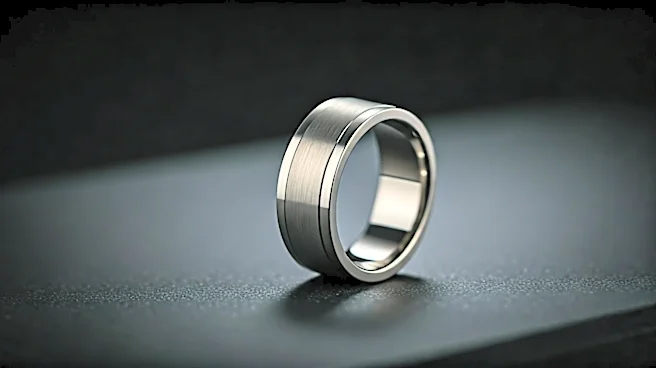
So, what does “architectural” jewelry actually look like? Think less about sparkle and more about shape. The new pieces seen on Milan’s runways and in designer ateliers are defined by their form, structure, and material. Imagine a single, sculptural earring that follows the curve of the earlobe, a brushed-metal cuff that plays with negative space, or a brooch with clean, geometric lines that looks like a miniature piece of modernist sculpture pinned to a lapel. Brands like Prada have mastered this with off-kilter, almost utilitarian pins and metallic accents that feel more like industrial hardware than traditional gems. Fendi, too, has integrated sharp, metallic brooches that echo the precise tailoring of their jackets. The focus is on the object itself—its weight, its lines, its texture—rather than its ability to broadcast a price tag.
Quiet Luxury and Confident Masculinity
This shift isn’t happening in a vacuum. It’s a direct reflection of the broader “quiet luxury” movement that has permeated menswear. As consumers grow weary of overt branding, the focus has turned to craftsmanship, material quality, and timeless design. A man wearing a small, intricately designed silver ring from a niche artisan is making a different statement than one wearing a giant logo chain. It’s a statement of taste, not just purchasing power. This also speaks to an evolution in modern masculinity. The need for performative peacocking is being replaced by a quieter, more assured self-expression. Architectural jewelry is for the wearer’s enjoyment first and foremost; it invites closer inspection and conversation rather than demanding attention from a distance. It suggests a man who is confident enough not to need his accessories to shout for him.
Where Form Follows Function
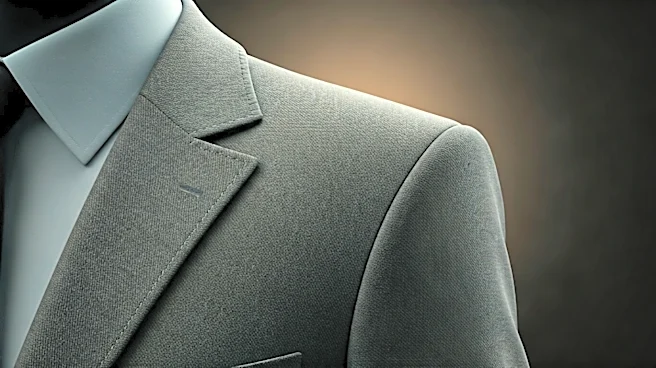
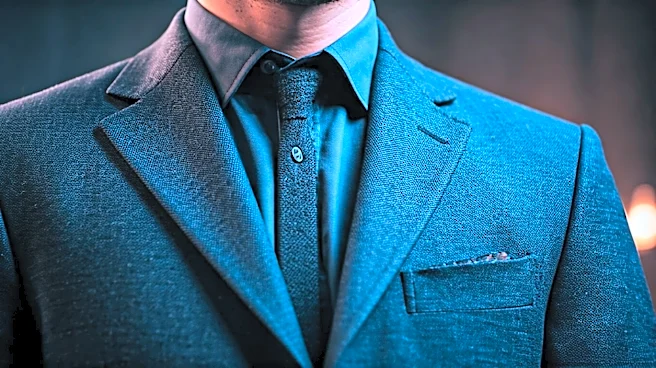
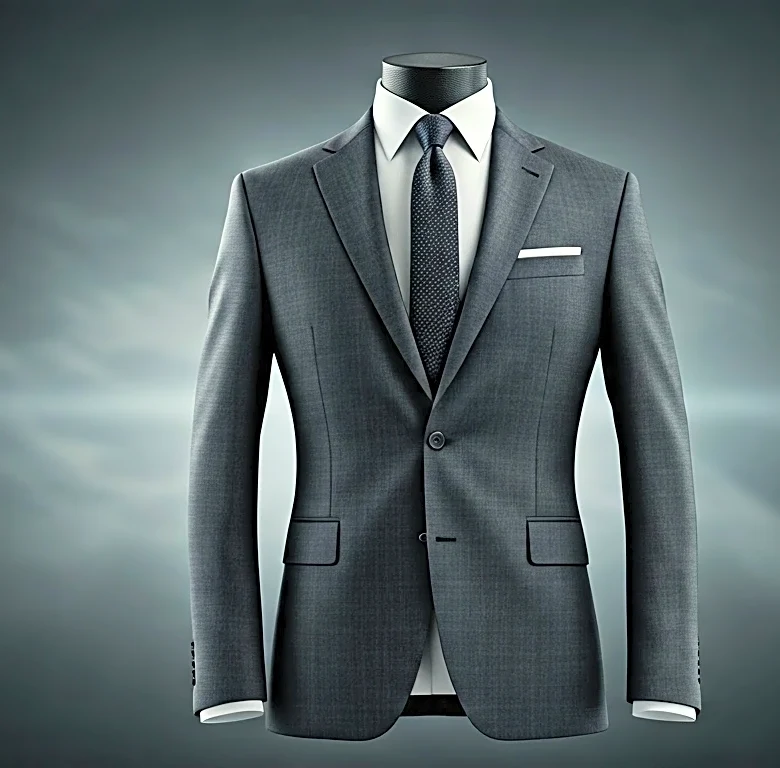
The beauty of this trend is its intellectual approach to style. These pieces often serve a subtle function or interact with the garment in a thoughtful way. A tie bar is no longer just a clip; it’s a sliver of polished steel that provides a stark horizontal line against a silk tie. A lapel pin isn't a floral novelty but a sharp, metallic object that adds a point of structural interest to a blazer. Designers are treating jewelry as an integral component of a look’s overall composition, not a decorative afterthought. It’s about balance, proportion, and how an object occupies space—the very principles of architecture. This considered approach turns an accessory from a simple status symbol into a piece of wearable art, something with its own integrity and story.