





The High Press vs. The All-Out Blitz
You see the quarterback drop back, and suddenly, a linebacker and a safety come screaming off the edge, overwhelming the offensive line. The goal is chaos: force a bad throw, a fumble, or a sack before the play can even develop. That, in a nutshell, is soccer’s
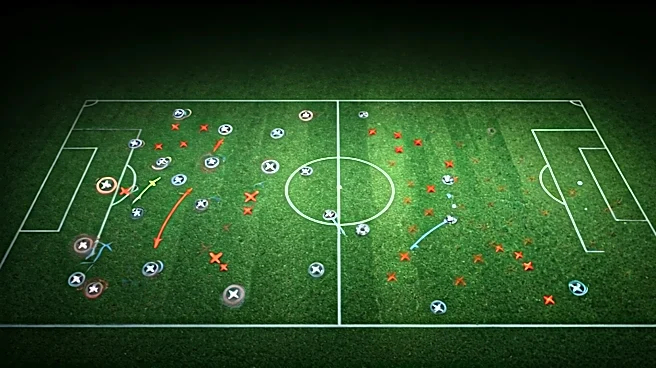
high press. Popularized by coaches like Liverpool's Jürgen Klopp under the name 'gegenpressing,' this strategy isn’t about sitting back. It’s about hunting the ball down in the opponent's half the second you lose it. A team employing a high press swarms the player with the ball, cutting off passing lanes and trying to force a turnover deep in enemy territory. It’s high-risk, high-reward. Just like a blitz can leave your secondary on an island, a failed press can leave your defense exposed to a quick counter-attack. But when it works, it’s a beautiful, suffocating display of coordinated aggression.
Parking the Bus vs. The Prevent Defense
It’s late in the fourth quarter, and your team is clinging to a 4-point lead. The offense trots out, but instead of attacking, the defense drops eight players into deep coverage. They concede the short passes, content to let the opponent chew up yards and clock, as long as they don't give up the game-losing touchdown. This is the dreaded “prevent defense,” and its soccer equivalent is just as effective and equally infuriating to watch: “parking the bus.” Coined to describe José Mourinho’s ultra-defensive tactics, this involves a team pulling nearly all ten of its outfield players behind the ball, often in two tight, organized lines right in front of their own goal. The goal is to clog up space, block shots, and make it physically impossible for the attacking team to find a way through. It’s not pretty, and it cedes all initiative, but for an underdog team or one protecting a lead, it’s a brutally pragmatic way to grind out a result.
The Counter-Attack vs. The Play-Action Bomb
For three quarters, your team has been pounding the rock, running the ball 25 times and establishing physical dominance. Then, on first down, the quarterback fakes the handoff. The linebackers and safeties bite, crashing forward to stop the run, only to see the receiver screaming past them, wide open for a 60-yard touchdown. That is the essence of the counter-attack in soccer. A counter-attacking team will often embrace a defensive posture, inviting pressure and patiently waiting for the opponent to overcommit. They absorb punches, let the other side have the ball, and then, the moment they win it back, they explode forward. With just two or three lightning-fast passes, they transition from defense to offense, releasing speedy wingers into the vast space the other team left behind. It’s a strategy built on patience and explosive speed, turning an opponent’s strength into their greatest weakness.
Possession Football vs. The West Coast Offense
Think of Bill Walsh’s San Francisco 49ers. The philosophy wasn’t to heave the ball downfield, but to use short, high-percentage passes as a substitute for the running game. It was about rhythm, timing, and ball control, methodically moving the chains and stretching the defense horizontally until a vertical opening appeared. That is the soul of possession-based soccer, most famously expressed as “tiki-taka” by Pep Guardiola’s Barcelona. The idea is to dominate the ball with a web of short, intricate passes, forcing the opponent to chase shadows. The goal isn’t just to keep the ball, but to use it to manipulate the defense, pulling players out of position to create openings. It’s a system that requires immense technical skill and tactical discipline, turning a game of frantic action into a controlled, suffocating march toward the goal.