





From the Sidelines to Your Feed
Forget waiting for the post-game analysis. The 2026 World Cup experience is happening in real-time, filtered through the lenses of dozens of creators who have been given unprecedented access. For the first time, FIFA has officially partnered with platforms
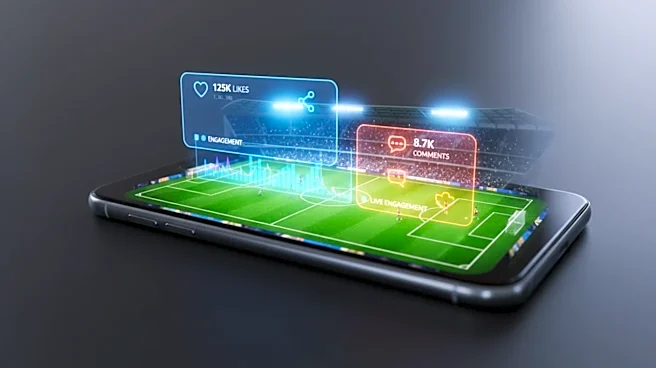
like TikTok, embedding 30 hand-picked 'Creator Correspondents' into the tournament. These aren't just fans with good seats; they are on the pitch during warm-ups, sitting on team benches after games, and capturing behind-the-scenes moments that traditional broadcasters often miss. The result is a stream of raw, unfiltered content that makes a global spectacle feel personal. While the main broadcast remains the centerpiece, this creator-led coverage provides everything else: the pre-game hype, the mid-match reactions, and the after-party celebrations, fundamentally altering how fans consume the event.
The Niche Is the New Mainstream
The traditional World Cup broadcast is a one-size-fits-all product. Influencers, however, shatter that model. They cater to every imaginable subculture, turning the tournament into a collection of niche experiences. There are comedy creators like Haley Kalil bringing a humorous flair to the iconic tunnel walk, and finance-focused YouTubers like Jenny Hoyos documenting her attempts to meet Cristiano Ronaldo. Others specialize in tactical breakdowns, fashion critiques of team kits, or foodie tours of stadium concessions. This allows fans to curate their own World Cup. You can follow a creator who focuses solely on the underdog stories made possible by the expanded 48-team format or one who turns the whole event into a travel vlog. In doing so, they are making soccer more accessible and appealing to a wider American audience that may not have been captivated by the 90-minute game alone.
Manufacturing Viral Moments
In the creator economy, attention is currency, and the World Cup is a gold rush. We're no longer just watching for great goals; we're watching for the next viral moment, which can come from anywhere. Look at Cape Verde's 40-year-old goalkeeper, Vozinha, who gained over 15 million followers overnight after a heroic performance against Spain, spurred on by a Brazilian broadcaster telling viewers to follow him. Or consider Tim Payne, a New Zealand defender who became famous for being 'unknown' after an Argentine creator rallied millions to follow him. Even fans themselves are becoming overnight celebrities, like Ivana Knöll, who turned her status as a notable Croatia supporter into a DJ career with a tour and a performance at a FIFA Fan Festival. Influencers don't just capture these moments; they create them, building narratives that exist parallel to the on-field action.
An American-Style Hype Machine
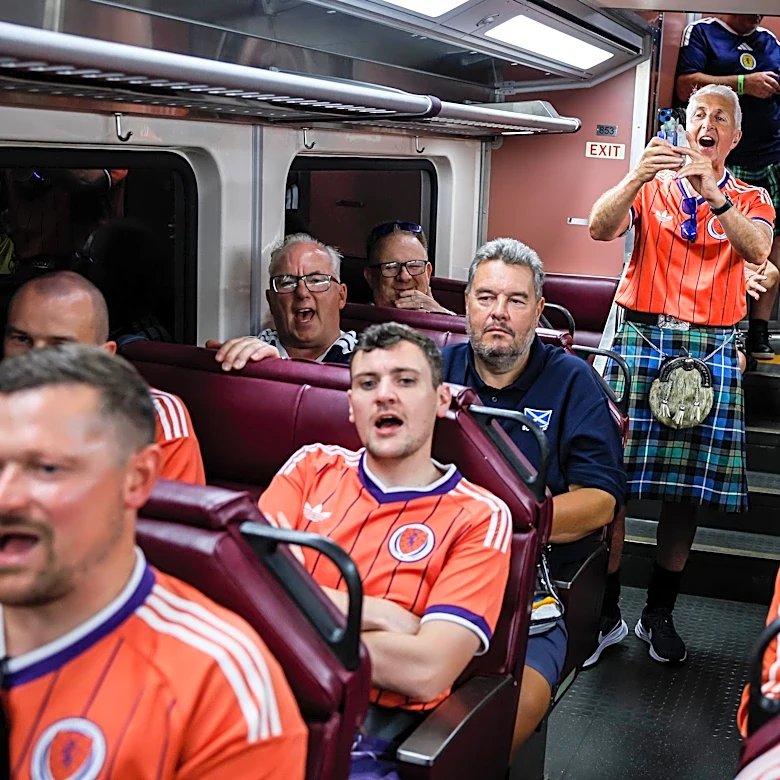
With the tournament unfolding across the U.S., Canada, and Mexico, the influencer effect is uniquely American-centric. In a country where soccer still vies for attention against other major sports, creators are serving as a powerful hype machine. They have the ability to translate the global game for a domestic audience, making it feel more immediate and culturally relevant. Brands have taken notice, shifting huge portions of their marketing budgets to creator-led campaigns. Rather than just buying a TV ad, companies are deploying armies of micro-influencers to showcase host cities or hiring big names to create funny, relatable video ads designed for social media. This strategy is less about the sport itself and more about embedding the World Cup into American pop culture, one viral clip at a time.