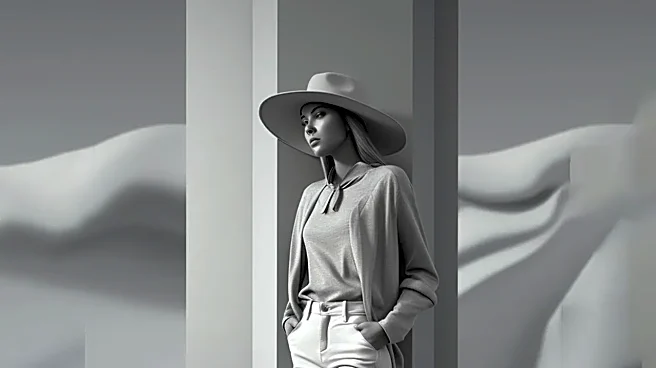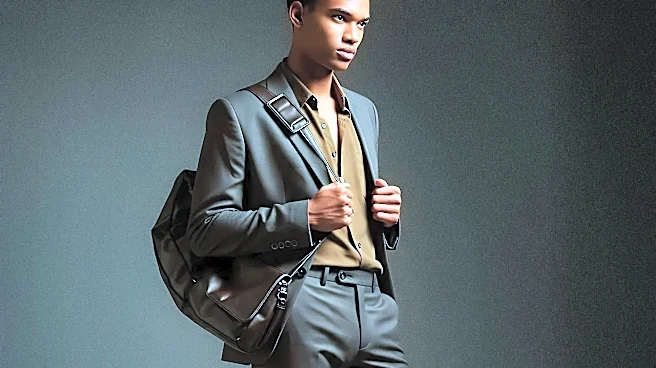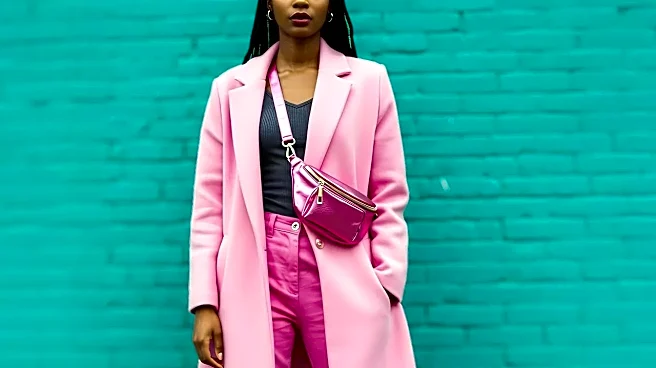

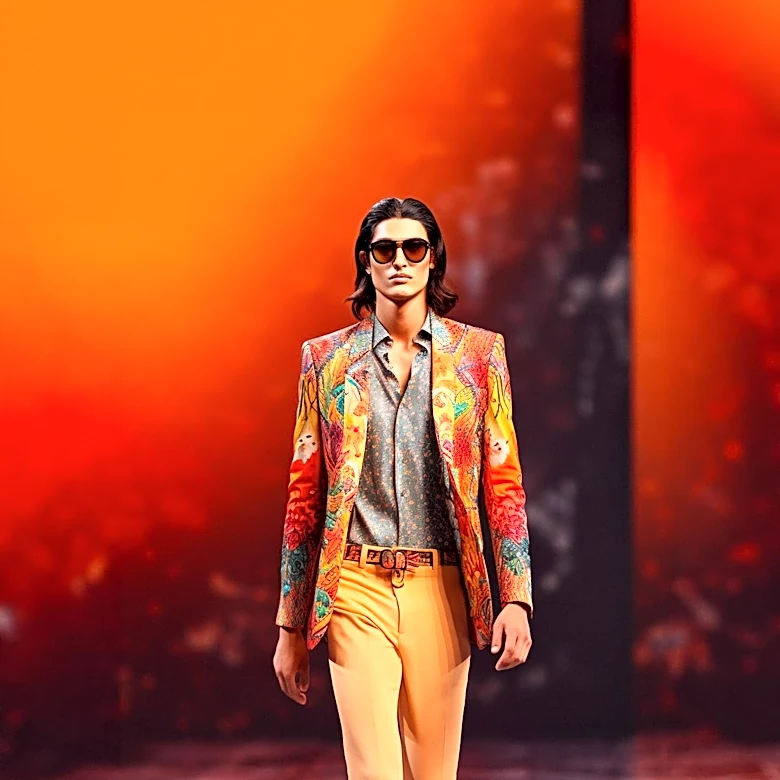


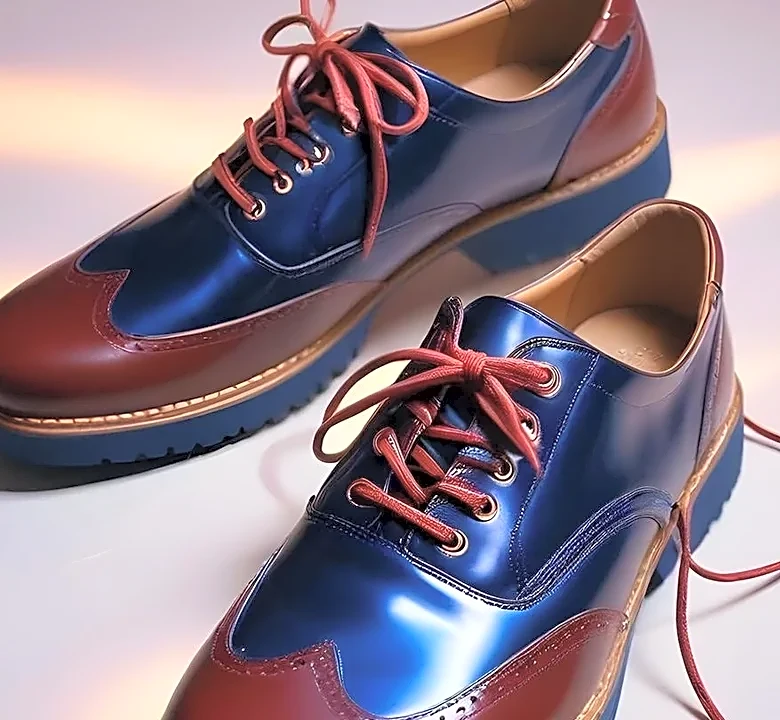
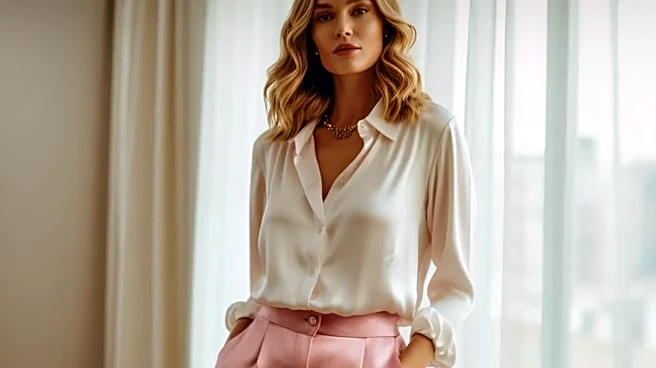
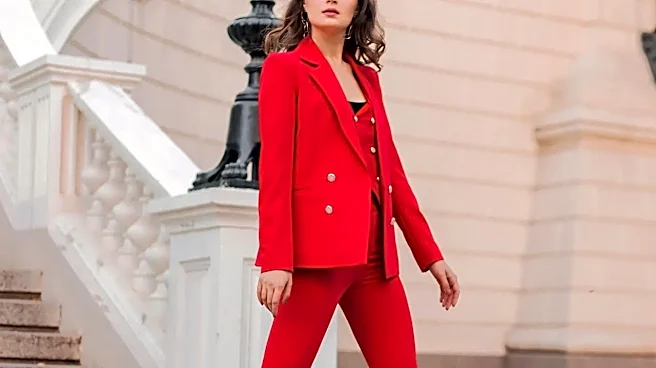

Dressing in one color, or 'tonal dressing', is the secret to an instantly polished and elongated silhouette. But there's a fine line between looking chic and looking like a paint swatch. Here’s how to artfully combine five shades of the same color.
The Secret Isn’t Color—It’s Texture
The
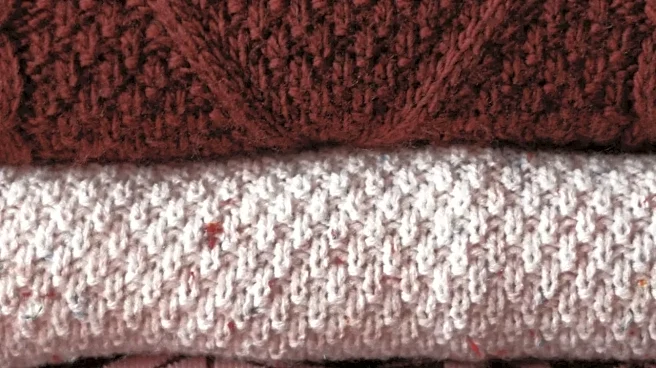
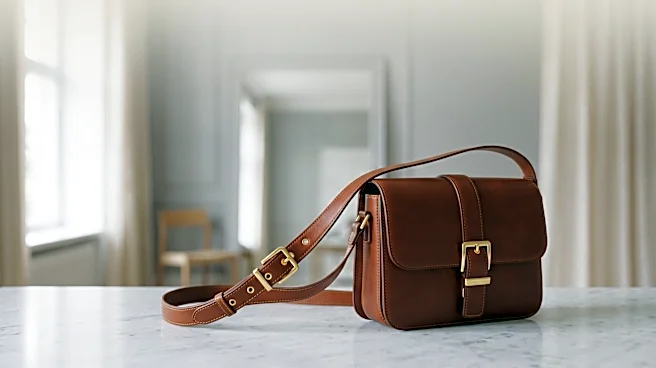
most important rule for avoiding a flat, uniform-like outfit is to mix your materials. When every piece is the same color family, texture becomes the main source of visual interest. Imagine a chunky, cable-knit sweater in oatmeal, paired with silk-satin trousers in a soft beige, and a smooth leather bag in a deep camel. Each piece reflects light differently, creating depth and a sense of luxury. Combine materials like denim, cotton, wool, leather, suede, and silk to give your outfit dimension.
Build Around a Mid-Tone
Starting with five shades can feel daunting. Simplify the process by choosing one core piece in a medium shade of your chosen color—not the lightest, not the darkest. This item, whether it's a pair of trousers or a blazer, will act as the anchor for your outfit. From there, you can layer lighter and darker pieces around it. For example, start with mid-wash blue jeans, add a lighter chambray shirt, a deep navy jacket, a sky-blue scarf, and finish with slate-blue shoes. This creates a natural gradient that is easy on the eyes.
Use Light and Dark for Accents
Once you have your base, use your lightest and darkest shades strategically. Lighter colors tend to draw the eye and accentuate, while darker shades recede and camouflage. You can use this to your advantage. Wear a lighter shade on top to draw attention upward, or use your darkest shade for a belt or shoe to ground the entire look. For instance, in an all-gray outfit, charcoal trousers can be slimming, while a pale silver top highlights your upper body. Using your extremes as smaller accent pieces prevents any single shade from overpowering the others.
Play with Silhouette and Proportion
An outfit composed of different shades of one color can sometimes feel blocky if every piece has the same fit. To counteract this, vary the shapes and proportions of your garments. Pair a structured, tailored blazer with a soft, flowing skirt. Combine wide-leg trousers with a fitted top. Layering pieces of different lengths—like a long coat over a cropped sweater and trousers—also adds dimension and breaks up the column of color in a sophisticated way. This ensures the outfit has movement and structure, preventing it from looking like a single, shapeless unit.
Keep Accessories in the Family
When it comes to accessories, you have two strong options. The first is to continue the tonal story. A bag, shoes, and belt in varying shades of the same color will reinforce the polished, intentional feel of the outfit. A nude or metallic shoe can also work as a neutral extension without disrupting the color palette. The second option is to introduce a single, subtle accent in a different color. However, for a true five-shade tonal look, keeping your accessories within the same color family creates the most cohesive and elongating effect, which is the ultimate goal of monochromatic dressing.