




The Edit You’re Not Supposed to See
Great film editing is an art of deception. When it’s working perfectly, you don’t notice it at all; you’re simply absorbed in a story that flows naturally. This concept, often called “invisible editing,” is about making sure the viewer never thinks about the mechanics.
Editors and directors use techniques like “match cuts,” where the end of one shot visually mirrors the start of the next, to create a seamless transition that the brain accepts without question. Think of a conversation scene. It might be pieced together from dozens of takes and angles, but the final product feels like one uninterrupted moment. The editor, guided by the director, ensures that eye-lines match, reactions land at the perfect beat, and the rhythm of the cuts feels as natural as breathing. If the pacing is off by a fraction of a second, the illusion shatters, and you’re suddenly aware you’re watching a movie. When done right, this hidden craft guides your focus and emotional state without you ever realizing you're being led.
The Sound of Silence and Subtlety
What you hear in a film is just as important as what you see, and sometimes, the most powerful sounds are the most subtle—or absent entirely. Sound design is more than just explosions and dialogue; it's about building a world and an emotional state. A director might use the faint, ambient sound of children playing outside a window to give a scene a sense of normalcy, or replace it with the sound of distant thunder to create instant anxiety. These auditory cues work on a subconscious level. Sound designers, in collaboration with the director, layer dozens of audio tracks, from the rustle of a character's clothing to the specific creak of a floorboard, to make a scene feel physically real. Perspective is another key tool. A director can put you inside a character's head by manipulating audio—muffling sounds to create disorientation or amplifying a heartbeat to convey panic. These choices transform sound from a simple background element into a core part of the storytelling, shaping your feelings scene by scene.
Casting Against Type
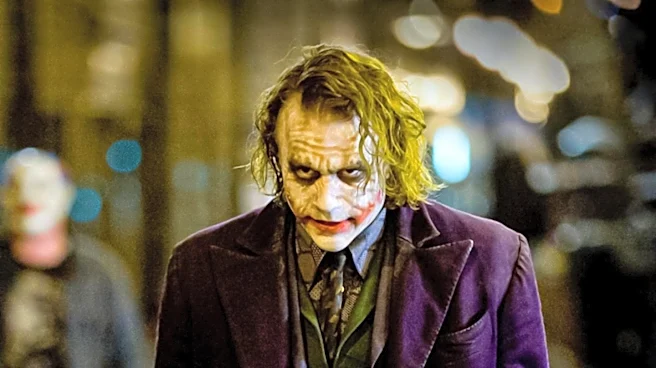
A director’s influence begins long before the cameras roll, starting with casting. While choosing a star who fits a role perfectly seems obvious, some of the most iconic performances in film history came from a director’s counterintuitive choice to cast against type. This is a gamble that can completely redefine a character and a film. Imagine Heath Ledger as the Joker in The Dark Knight. Before he was cast, few would have picked the romantic lead from 10 Things I Hate About You for the role of Gotham’s anarchist clown. Director Christopher Nolan’s choice was met with skepticism, but it resulted in one of cinema’s most legendary and unsettling villains. The unexpected nature of the casting allowed Ledger to build the character from a completely fresh place, free from the baggage of previous interpretations. This kind of bold choice forces the audience to abandon their preconceptions and engage with the character on the film’s own terms, creating a more memorable and visceral experience.
Color as a Secret Language
Color in film is rarely accidental. Directors and cinematographers work together to build a specific color palette that functions as a hidden language, communicating mood, theme, and character psychology. This is often achieved through a combination of production design, costumes, and the post-production process of color grading. For example, the sickly green tint that permeates The Matrix creates a constant, subtle feeling of unease and artificiality, visually separating the simulated world from reality. In contrast, Wes Anderson is famous for his meticulously crafted, often pastel-heavy color schemes that give his films a distinctive, storybook quality, reflecting his characters' whimsical or melancholic inner worlds. A director might use a recurring splash of red to symbolize danger or passion, guiding your eye and building associations without a single word of dialogue. This careful control over a film’s visual tone is one of the most powerful, yet least obvious, ways a director can unify a story and leave a lasting impression.