








It's Called 'Tifo,' and It's a Declaration
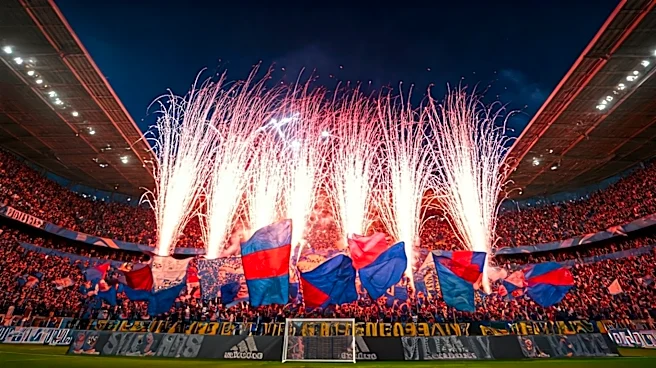
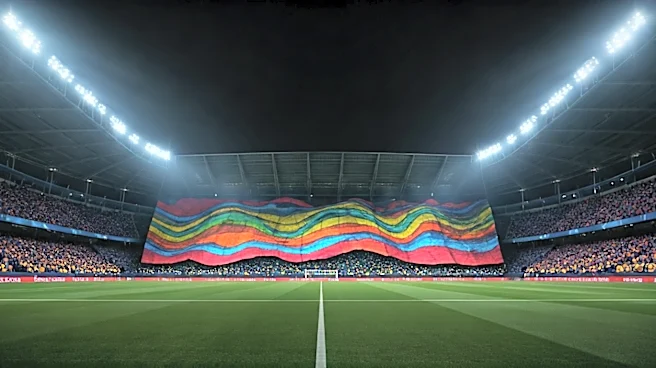
First, let’s give it a name. Those giant, coordinated displays are called “tifo,” an Italian word for the phenomenon of supporting a sports team (it literally means “typhus,” metaphorically referring to the fever of fandom). A tifo isn’t just a big banner.
It’s a meticulously planned, fan-funded, and fan-executed work of art, often involving thousands of people holding up colored cards, flags, or fabric to create a single, colossal image or message. Unlike a simple flag, a tifo is a pre-game event in itself. It's unveiled in the moments before kickoff, a dramatic reveal designed to be a statement. It might feature a club legend, a historical symbol, a defiant message to rivals, or a symbol of local pride. It’s the home fans’ opening salvo—a declaration that you haven’t just entered a stadium, you’ve entered their fortress.
The Psychology of Unity
On its own, a fan is just one person. But a tifo is a powerful tool for psychological fusion. For the thousands of fans participating, the act of holding up their specific piece of the puzzle builds an instantaneous sense of collective identity and shared purpose. You are no longer just a spectator; you are part of the spectacle. This unity is crucial. A disorganized crowd produces a chaotic din. A unified crowd, however, produces a focused roar. The visual synchronization of a tifo acts as a catalyst for auditory synchronization. When everyone feels they are part of one massive entity, their chants become more coordinated, their cheers hit at the same time, and the collective noise becomes a solid wall of sound. The pattern doesn’t make noise, but it organizes the noise-makers into a cohesive, and therefore louder, unit.
An Unspoken Message to the Players
Home-field advantage is a well-documented phenomenon in sports, and the psychological boost from the crowd is a huge component. For the home team players, walking out of the tunnel to see a stadium-sized tribute in their honor is an extraordinary shot of adrenaline. It’s a visceral, overwhelming reminder of who they are playing for and the community they represent. This visual affirmation can sharpen focus and increase motivation. It tells the players, “We have spent weeks and thousands of dollars creating this for you. We are with you.” This can translate into that extra burst of energy in the 90th minute or the courage to take a risky shot. The tifo confirms the players’ importance and visually represents the immense support system at their backs.
The Art of Intimidation
Now, imagine you’re on the visiting team. You walk onto the pitch for warm-ups, and an entire end of the stadium is a seething, monstrous image of a chained Cerberus, with a banner underneath reading “Welcome to Hell.” That's a common tifo theme. The message is not subtle. It’s a direct and unnerving piece of psychological warfare. A powerful tifo tells the away team that they are in hostile territory, facing not just eleven players, but 50,000 unified opponents. It’s designed to shrink the pitch, heighten the pressure, and plant a seed of doubt before a single ball is kicked. When that visual assault is immediately followed by a deafening, unified roar, the feeling of being overwhelmed can be immense, potentially leading to hesitation and early mistakes.
Making the Visual Auditory
This brings us back to the central idea: why does a visual pattern feel “louder”? It’s because the tifo creates a moment of multi-sensory overload. Our brains don’t experience sight and sound in isolation. The awe, shock, or intimidation you feel from the visual spectacle primes your auditory senses. The sheer scale of the tifo sets an expectation for the scale of the sound that will follow. When the display is at its peak, and the stadium announcer’s voice is replaced by the roar of the crowd, the brain links the two events. The epic visual of the tifo becomes the anchor for the epic sound of the fans. In essence, the tifo makes the noise *feel* more significant, more purposeful, and therefore, subjectively louder. It’s not just noise anymore; it’s the soundtrack to the breathtaking image you just witnessed.