








Step 1: Scout Your Squad
You don’t need to recruit an entire World Cup roster. The magic number for a great lunch break game is between eight and twelve players. This allows for energetic 4-v-4 or 5-v-5 games with a couple of substitutes. Start by identifying a few colleagues
who have mentioned an interest in sports, wear soccer jerseys on casual Fridays, or just seem like they need a break from their screen. Send out a feeler email or create a dedicated Slack channel like #lunch-fc. Frame it as a low-commitment, high-fun experiment. You'll be surprised who comes out of the woodwork—from former high school stars to absolute beginners looking for a good run. The key is to emphasize that all skill levels are welcome. This isn't about professional-level play; it's about movement and camaraderie.
Step 2: Find Your Pitch
Location is everything. Your playing field needs to be close enough to the office to make the round trip feasible within a 60-to-90-minute lunch window. Scout your surroundings. Is there a public park with a grassy field nearby? An unused patch of lawn in your corporate office park? Some modern campuses even have basketball or tennis courts that can be repurposed for a small-sided soccer game. Measure the time it takes to walk or jog there. Once you find a spot, do a quick safety check for any holes, sprinklers, or other hazards. If free options are scarce, you could even explore splitting the cost of renting an indoor futsal court for an hour once a week, which offers a perfect, all-weather solution.
Step 3: The Minimalist's Gear Guide
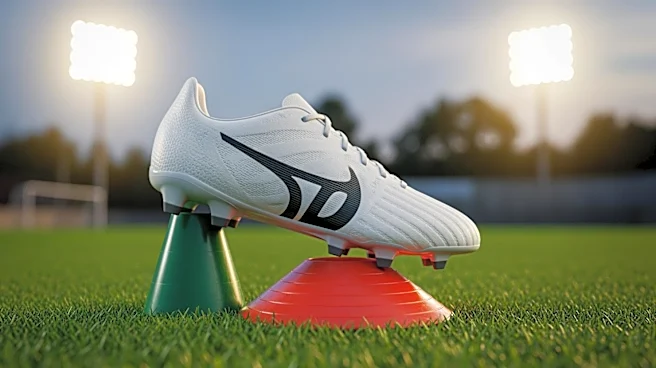
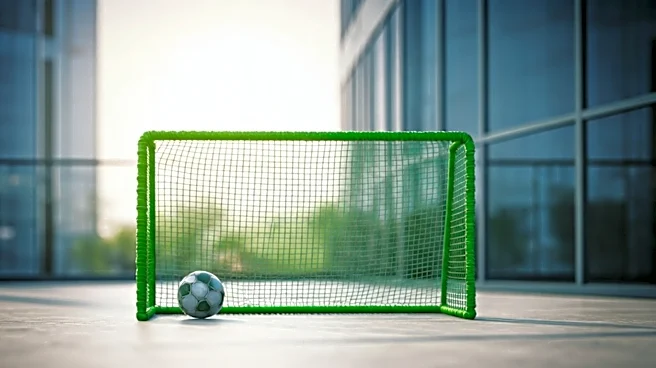
Forget expensive matching kits and professional-grade equipment. The beauty of the lunch break game is its simplicity. All you really need is one good soccer ball. To avoid confusion, invest in a set of brightly colored pinnies or training vests to easily divide teams—one set of yellow, one of blue. The most crucial piece of gear is a pair of portable, pop-up goals. These are lightweight, easy to set up in seconds, and create a proper sense of a game. For footwear, turf shoes or even sturdy cross-trainers will do the trick on grass. Cleats can be too aggressive for a casual game and may be prohibited in some parks. The goal is to keep the barrier to entry as low as possible.
Step 4: Establish the 'Cup' Rules
To make it a true “Cup,” you need a simple structure. The game itself should be fast-paced and safe. Agree on a few ground rules: no slide tackles, keep it friendly, and call your own fouls. Games can be two 15-minute halves with a quick water break in between. To create the league, use a simple whiteboard in the office or a shared Google Sheet. Track wins, losses, and draws. You can award 3 points for a win, 1 for a draw, and 0 for a loss. At the end of a month or a quarter, the person or team at the top of the table wins bragging rights and maybe a gag trophy or a free lunch paid for by the other players. This simple competitive framework turns a random kickabout into an event people look forward to all week.
Step 5: The Post-Game Cool-Down
The biggest hurdle for many is the return to work. How do you avoid sitting at your desk feeling sweaty and disheveled? The key is a smart post-game routine. Change out of your work clothes before you play and change back after. Quick-dry athletic wear is your best friend. Pack a small gym bag with essentials: a travel-sized towel, deodorant, and face or body wipes. These can work wonders in lieu of a full shower. A change of socks is non-negotiable. Plan to spend the final 10-15 minutes of your break cooling down, changing, and grabbing your actual lunch to eat at your desk. With a little planning, you can walk back into the office feeling refreshed and energized, not flustered.