




A Century of Bad Blood
The Superclásico de las Américas isn't a modern media creation; it's a rivalry forged over more than a century of shared borders and competing ambitions. Their first official match was in 1914, and from the outset, these games were more than just sport—they
were battles for South American supremacy. Early tournaments were fraught with tension, sometimes boiling over into on-pitch brawls and even multi-year stretches where the teams refused to play each other. While the two nations are largely civil off the field, soccer became the primary arena for their cultural tug-of-war: Brazil’s vibrant, rhythmic joga bonito (the beautiful game) against Argentina’s street-smart, passionate, and often cynical grit. It’s a fundamental clash of footballing philosophies that reflects two distinct national identities.
The King and The Golden Boy
You can’t talk about this rivalry without talking about Pelé and Diego Maradona. The debate over who was greater is a proxy war for the entire conflict. Pelé, ‘The King’, was the face of global soccer, a three-time World Cup winner who represented Brazilian elegance, joy, and athletic perfection. Maradona, ‘El Pibe de Oro’ (The Golden Boy), was the rebellious genius from the slums of Buenos Aires, a player whose breathtaking talent was matched only by his fiery, anti-establishment personality. While Pelé was seen as an establishment figure, Maradona was the man of the people, single-handedly dragging Argentina to a World Cup victory in 1986. Their public spats and differing personalities perfectly personified the deep-seated cultural divide between the disciplined, joyful Brazilians and the passionate, defiant Argentines.
The 'Holy Water' Incident and Other Wars
The rivalry’s history is littered with moments of controversy that have become legend. None is more infamous than the 1990 World Cup Round of 16 match. In a tight game, Brazilian defender Branco drank from a water bottle offered by the Argentine staff and later complained of feeling drowsy. Maradona would later joke it was “holy water,” fueling a scandal that has simmered for decades. Argentina won 1-0, knocking out their rivals in a moment of ultimate cunning. This win-at-all-costs mentality defined an era of extreme physicality in the 1960s and 70s, where matches often descended into outright violence. The animosity has continued into the modern era, with a 2026 World Cup qualifier in November 2023 being delayed after police clashed violently with Argentine fans in the stands of Brazil's legendary Maracanã stadium.
Messi's Redemption and Modern Dominance
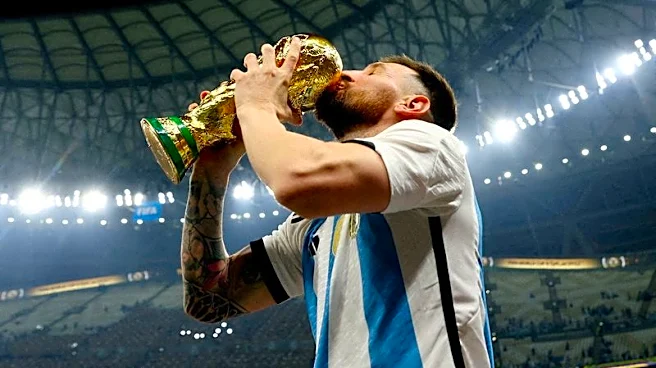
For years, the narrative was that Lionel Messi, for all his genius, couldn't win a major trophy for Argentina. That story came to a dramatic end in the 2021 Copa América final. At the Maracanã, no less, Argentina defeated Brazil 1-0, giving Messi his first senior international title and ending a 28-year trophy drought for his country. It was a passing of the torch, a moment of catharsis for Argentina at the direct expense of their greatest rival. The tables have turned decisively in recent years. Argentina followed up their Copa América win with a World Cup victory in 2022. They've also dominated recent head-to-head clashes, including a historic 1-0 victory in that chaotic 2023 qualifier, which handed Brazil its first-ever home loss in World Cup qualifying history. Another humbling 4-1 defeat in 2025 further cemented Argentina's current upper hand in the feud.