



The Myth of Unflattering Volume
The number one fear surrounding pleated skirts is that they add bulk, particularly around the hips and midsection. It’s a valid concern, but it’s not the pleats themselves that are the culprit; it’s the execution. The vertical lines created by pleats are actually
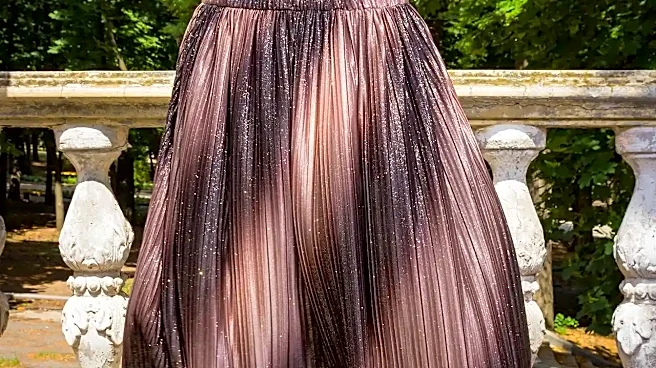
known to have a lengthening, streamlining effect on the body. The key is understanding that fabric weight and pleat size are what determine whether a skirt flows gracefully or adds unwanted volume. A skirt made from a stiff, heavy material with wide pleats can feel bulky, while one made of a soft, fluid fabric with narrow pleats can create a surprisingly sleek silhouette.
Let's Talk Fabric and Drape
The material of your pleated skirt is arguably the most important factor in how it will fit and feel. Lightweight, drapey fabrics like chiffon, satin, silk blends, and lightweight polyester enhance the fluid motion of pleats, allowing the skirt to skim the body rather than puff out. These materials create a soft, elegant movement. Heavier fabrics like thick wool or stiff faux leather can be chic but are less forgiving, as they tend to hold a more structured, voluminous shape. For those worried about adding bulk, a softer, lighter fabric is almost always the safer and more flattering choice.
Size Matters (For Pleats)
Not all pleats are created equal. Wide, chunky box pleats add the most volume and can create a very structured, sometimes overpowering look. On the other hand, narrow accordion or sunray pleats, which are tighter at the waistband and fan out toward the hem, create a much more fluid and lengthening effect. For those with curvier hips or a fuller midsection, smaller pleats or styles where the pleats are stitched down flat from the waistband to the hip can be incredibly flattering, as they provide a smoother profile before releasing into the flowing folds.
Finding the Perfect Proportions
The secret to making any piece of clothing work is proportion, and the pleated skirt is no exception. The most common mistake is pairing a pleated skirt with a loose, untucked top, which can create a shapeless silhouette. Instead, always aim to define your waist. Tucking in your top—whether it's a simple t-shirt, a silk blouse, or a fine-knit sweater—is the quickest way to highlight your waist and balance the volume of the skirt. If you're not a fan of tucking, try a cropped top that ends at the waistband or add a belt to cinch your waist over an untucked top. This creates a focal point and a more intentional, polished look.
A Skirt for Every Body
Ultimately, the pleated skirt’s versatility shines when you apply these principles. Pear-shaped figures can balance their proportions with A-line pleated skirts that flow over the hips, especially when paired with a top that draws attention upward. Those with an apple shape might opt for a high-waisted style with a flat front or stitched-down pleats to create a smooth line over the midsection. Rectangle shapes can use the volume of pleats to create the illusion of curves. And for petite frames, a high-waisted style helps elongate the legs, while choosing a length that doesn't overwhelm the frame is key.