





First, What Is a Lip Flip?
Before uncovering the secret, it’s essential to understand the procedure itself. A lip flip is a nonsurgical cosmetic treatment where a skilled provider injects a small amount of a neurotoxin, like Botox, into the muscle just above the upper lip (the
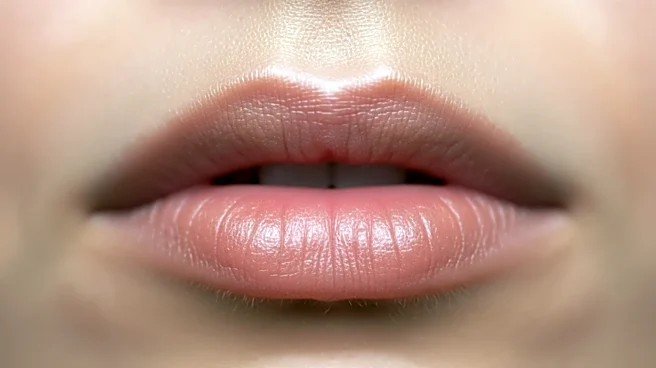
orbicularis oris). Unlike dermal fillers, which add physical volume with a substance like hyaluronic acid, a lip flip doesn't increase the size of your lip. Instead, it relaxes the muscle, causing the upper lip to gently roll or 'flip' slightly upward. This makes more of your natural lip visible, creating the illusion of a fuller, more defined pout. It’s a popular choice for those seeking a subtle enhancement, a solution for a “gummy” smile, or for those whose upper lip seems to disappear when they smile. The procedure is quick, often taking just 10 to 20 minutes.
The Goal: Subtle Enhancement, Not a Frozen Pout
A “professional-looking” lip flip is all about nuance. The desired outcome is a gentle, upward curl that looks entirely natural at rest and in motion. It enhances your smile without announcing its presence. An amateur or poorly executed lip flip, on the other hand, can be distracting. If too much Botox is used or it's placed incorrectly, the muscle can become over-relaxed. This can lead to functional side effects, such as difficulty drinking from a straw, pronouncing certain words, whistling, or even drooping on one side of the mouth. While these effects are temporary, lasting until the Botox wears off in a few months, they are the opposite of the effortless look most people want. The key is to achieve a delicate balance where the muscle is relaxed just enough to create the flip without impairing normal function.
The Hidden Step: Expert Assessment and Customization
Here is the so-called hidden step: it isn't a single action but a crucial process driven by the injector’s expertise. The secret to a flawless lip flip lies in the hyper-personalized assessment before the needle ever comes out. A truly professional provider doesn't use a one-size-fits-all approach. They will analyze your unique facial anatomy, the specific way your muscles move when you talk and smile, and your individual aesthetic goals during a detailed consultation. This procedure is highly technique-sensitive. The injector’s deep understanding of facial anatomy allows them to customize the number of Botox units and the precise injection points. An experienced dermatologist or plastic surgeon knows that the difference between a perfect pout and a problematic one can be a matter of millimeters in placement or a single unit of Botox. This careful, individualized planning is the invisible work that ensures your result is tailored perfectly to your face.
Choosing an Artist, Not Just an Injector
Because the result is so dependent on technique, choosing your provider is the most critical decision you'll make. Don't shop for a lip flip based on price alone. Seek out a licensed and board-certified medical professional, such as a dermatologist, plastic surgeon, or a highly trained nurse practitioner working under medical supervision. Ask to see their portfolio of before-and-after photos, specifically for lip flips. A great provider will conduct a thorough consultation, listen to your goals, and explain what is realistically achievable for your anatomy. They should also be transparent about potential risks and side effects. Rushing the process or skipping a detailed medical assessment are significant red flags. Remember, you are commissioning a piece of art on your face; finding the right artist is paramount.
Protecting the Result: Aftercare Is Key
Once you've received a skillfully administered lip flip, the final piece of the puzzle is proper aftercare to ensure the Botox settles correctly. For the first several hours, it's crucial to avoid anything that could cause the neurotoxin to migrate. This includes not touching, rubbing, or massaging your lips for at least four hours. You should also remain upright and avoid lying down for a few hours post-treatment. Other key instructions often include avoiding strenuous exercise, alcohol, and blood-thinning medications for at least 24 hours to minimize bruising. You'll also want to skip using straws and making exaggerated puckering motions for a few days. Full results typically appear within one to two weeks, so patience is also part of the process.