




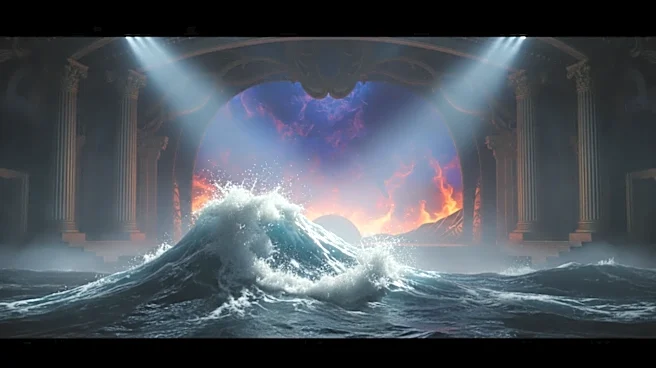


The Problem with 'Perfect' Water
There's a reason audiences and critics are growing tired of the live-action remake machine: a perceived lack of soul. A major culprit is often an over-reliance on CGI that creates worlds that are technically flawless but emotionally flat. This is especially
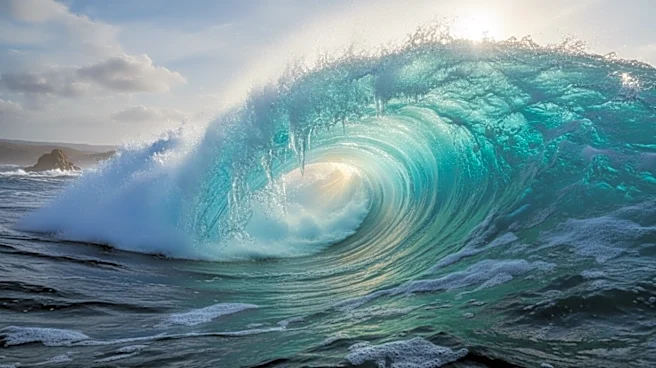
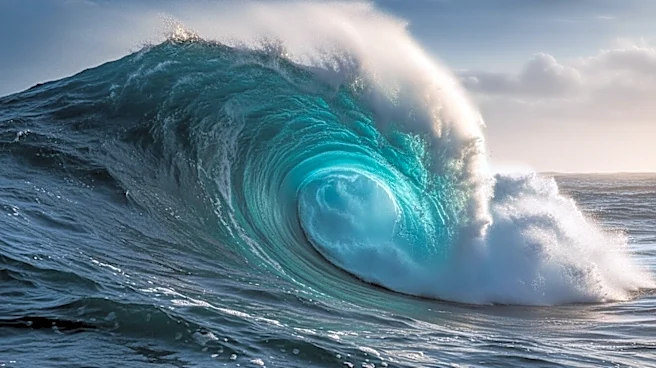
true with water. CGI water can look perfect—too perfect. It can be a beautiful, shimmering backdrop, but it often lacks weight and tangible presence. When a character dives into a digital ocean, they aren't really interacting with anything. In a musical, where performance is everything, this creates a disconnect. The genre thrives on a heightened reality, but it still needs to be grounded in physical and emotional truth for the songs and choreography to land. Lifeless, overly polished CGI water actively fights against this, turning a powerful force of nature into a sterile digital effect.
Water as a Dance Partner, Not a Backdrop
This is where practical water work comes in. Filming with real water is notoriously difficult and expensive, but the payoff is immense. Instead of being a digital backdrop, real water becomes a physical scene partner. It has weight, resistance, and unpredictability. When an actor has to push through actual water, struggle to sing while getting hit by a real wave, or feel the cold, their performance changes. That struggle, that interaction, is something audiences feel viscerally. For a musical, this is a goldmine. Imagine a dance number where the splashes and sprays are part of the choreography, where the resistance of the water dictates the power of a movement. The water is no longer just something to look at; it's an integral part of the physical storytelling, amplifying the emotion of the song.
Learning from the Masters of the Tangible
This isn't just a theoretical idea. Visionary directors have been proving the value of integrating practical and digital effects for years. James Cameron, a master of water, built a colossal 250,000-gallon tank to shoot performance capture for Avatar: The Way of Water because he knew the real motion and emotion of actors interacting with water was key. He said it looks real because the motion and emotion were real. Guillermo del Toro used a hybrid approach for The Shape of Water, combining a practical creature suit worn by an actor with digital enhancements to create a living, breathing character. Even films like Mad Max: Fury Road show the raw, kinetic power of prioritizing real stunts and effects. These films feel different because they have a physical-world anchor that makes the fantasy believable.
Where to Blend, Not Just Replace
The solution isn't to abandon CGI entirely. That would be as foolish as using it for everything. The key is a hybrid approach—a smart blend where each tool is used for what it does best. Let CGI handle the impossible: creating vast, fantastical ocean vistas or creatures too large to build. But for the intimate moments, the ones where actors interact directly with their environment, lean into practical. Use real water in tanks for close-ups and performance-heavy scenes. If a character touches the water, it should be real. If they are drenched by a wave, it should be a real drenching. This gives actors something to react to and gives the camera something with real texture and light reflection to capture. It’s about building a tangible world for the performers to inhabit, then using digital tools to expand that world, not replace it.