




The Secret Is in the Hem
Forget complicated nips and tucks for a moment. While adjusting the waist or shoulders can certainly improve a fit, the single most impactful alteration for a midi dress—the one that delivers that coveted bespoke look—is perfecting the hemline. It sounds
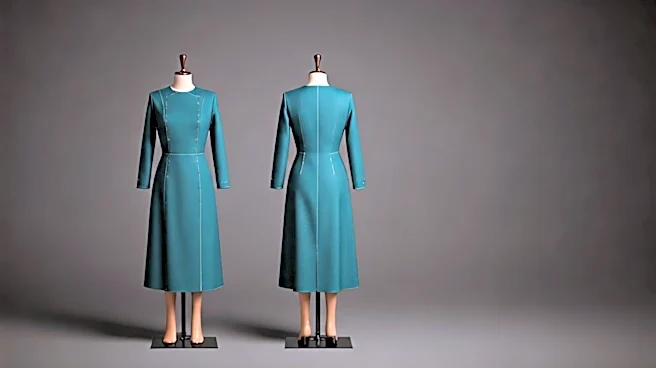
deceptively simple, but the length of a midi dress is the primary factor that determines whether it looks chic and intentional or accidental and unflattering. An off-the-rack hem is designed for a generic height, but your body isn’t generic. By customizing the length to your specific proportions, you redefine the dress’s entire silhouette and how it interacts with your frame. This one change can make a $50 dress look like it was designed just for you.
Why the Hemline Is So Critical
The power of the midi hem lies in its relationship to your leg line. The term “midi” itself is vague, covering any length from just below the knee to just above the ankle. This creates a minefield of potential style pitfalls. If the hem cuts across the widest part of your calf, it can visually shorten your legs and make the entire look feel heavy and dated. It's the fashion equivalent of a sentence that ends abruptly in the middle of a…Conversely, a hem that hits at the perfect spot does the opposite. It creates an elegant, elongated line. By ending the dress at a narrower point on your lower leg, either just below the kneecap or at the slimmest part of your calf before it flares back out toward the ankle, you create a more flattering focal point. This draws the eye upward, balances your proportions, and allows your shoes to complete the look rather than fight with the dress for attention. It’s a subtle art, but it’s the secret behind why a midi dress looks so effortlessly polished on a stylist or fashion editor.
Finding Your Golden Length
So, where is this magical spot? There is no universal measurement; it’s about finding your personal “golden ratio.” To do this at home, put on the dress with the shoes you’re most likely to wear with it—heels, flats, and boots all change your posture and leg line. Stand in front of a full-length mirror. Use pins or even just a hand to experiment with lifting the hem to different heights. Observe how the silhouette changes. Notice the point where the dress suddenly looks less like a garment you’re just wearing and more like a part of a cohesive outfit. For most people, there are two sweet spots: one is about one to two inches below the bottom of the kneecap, and the other is at the narrowest taper of the calf, which is typically a few inches above the ankle bone. The goal is to avoid the mid-calf danger zone. Play around until you find the length that makes you feel your best, and mark it with a pin.
How to Talk to Your Tailor
Once you’ve found your ideal length, communicating it to a tailor is simple. Wear the exact shoes you plan to wear with the dress to your appointment. This is non-negotiable, as it’s the only way the tailor can pin the hem with perfect accuracy. When you arrive, you can simply say, “I’d like to have this dress hemmed to this length,” pointing to the pin you placed at home or allowing them to re-pin it for you. A good tailor will understand immediately. You can also add context like, “I find this length more flattering on my leg line.” Don’t be afraid to speak up. It’s your garment, and a professional will appreciate the clear direction. This small investment, often just $20-$40, yields an incredible return, transforming an ordinary piece into a signature part of your wardrobe that you'll reach for again and again.