



The Banquet Years: An Insider's Affair
The first CMA Awards in October 1967 was an event few outside the Nashville music business even knew was happening. It was held at Nashville's Municipal Auditorium, not as a broadcast, but as a 'Banquet and Show'. The goal was simple: for industry professionals
to honor their own. That night, Eddy Arnold, a titan of the genre, was named the first-ever Entertainer of the Year. Other inaugural winners included Loretta Lynn for Female Vocalist and Jack Greene, who dominated with wins for Male Vocalist, Single, and Album of the Year for 'There Goes My Everything'. It was a small, intimate affair, a world away from the massive production it would become.
Hello, America: The Move to Television
The game changed in 1968 when NBC televised the ceremony for the first time, albeit on a tape delay. By 1969, it was a live event, hosted by the legendary Johnny Cash, whose crossover appeal helped anchor the CMAs as a national television staple. The '70s delivered groundbreaking moments that signaled country's growing cultural confidence. In 1971, Charley Pride became the first and, to this day, only Black artist to win Entertainer of the Year. A year later, Loretta Lynn made history as the first woman to take home the same prize. The most infamous moment of the decade came in 1975, when presenter Charlie Rich, unhappy with the pop-leaning winner, set fire to the envelope containing John Denver's name.
The '90s Boom and Crossover Stars
As country music exploded into a commercial juggernaut in the 1990s, the CMA Awards became appointment television. This was the era of Garth Brooks, whose electrifying showmanship dominated the stage and the winner's podium. The arrival of Shania Twain in the late '90s marked another seismic shift, blending country with stadium-rock glamour. Her 1999 Entertainer of the Year win was a major milestone. The show also became a platform for iconic fashion, perhaps most famously Reba McEntire's plunging red dress in 1993, which generated as much buzz as any award. The ceremony reflected the genre's new status as a mainstream cultural force, a far cry from its humble beginnings.
A New Century of Pop and Patriotism
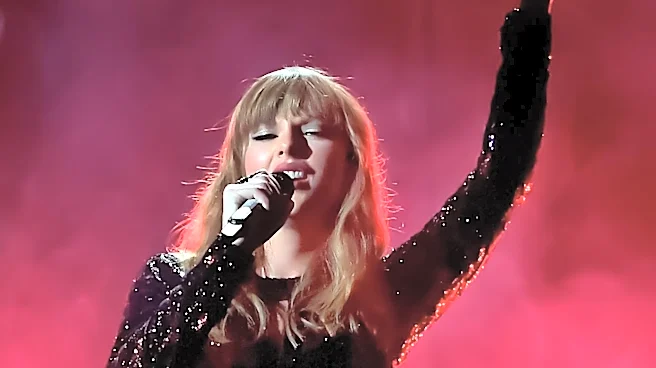
The 21st century brought new challenges and trends. Just two months after the September 11th attacks, Alan Jackson debuted 'Where Were You (When the World Stopped Turning)' on the CMA stage, a performance that captured a national mood and became an instant classic. The show navigated controversies, like the industry's reaction to the Dixie Chicks, and also embraced a new wave of pop-country crossover, solidified in 2005 when the awards temporarily moved to New York's Madison Square Garden. The rise of Taylor Swift, who in 2009 became the youngest person to win Entertainer of the Year, signaled the genre's expanding appeal to a younger, global audience.
The Modern Spectacle: 2026 and Beyond
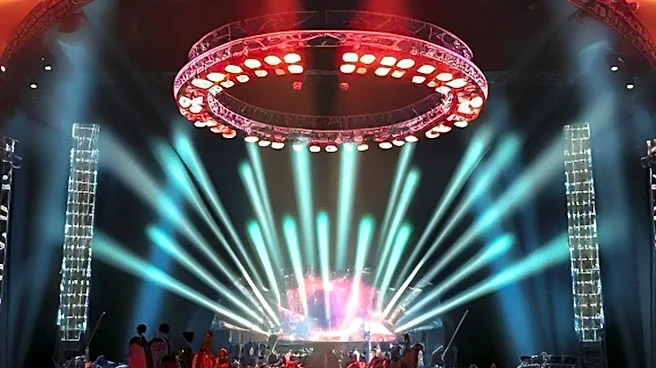
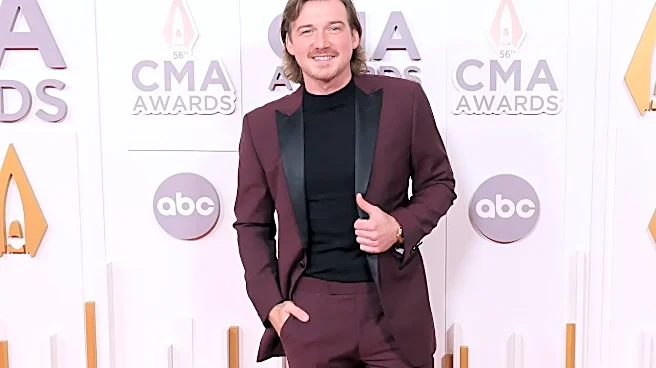
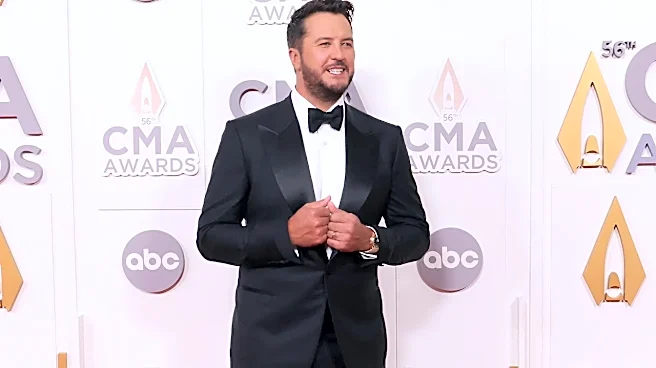
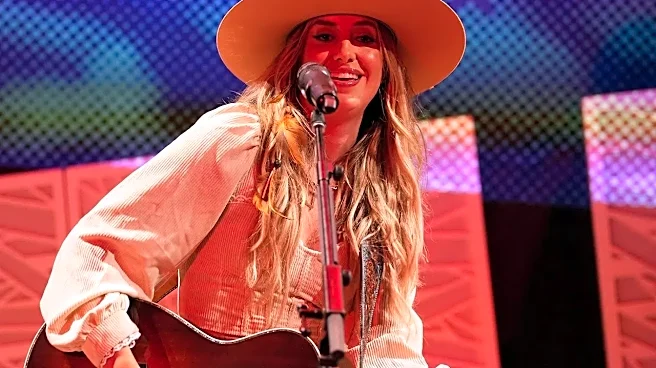
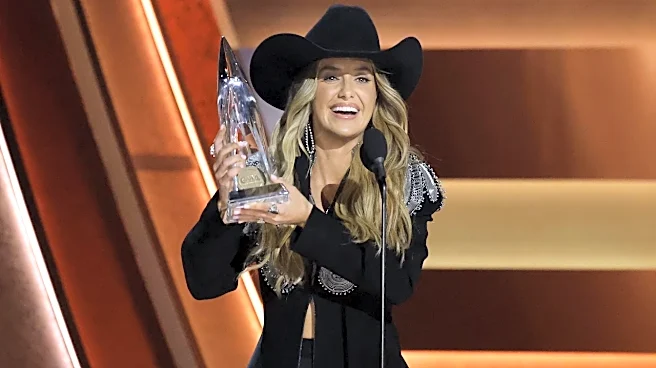
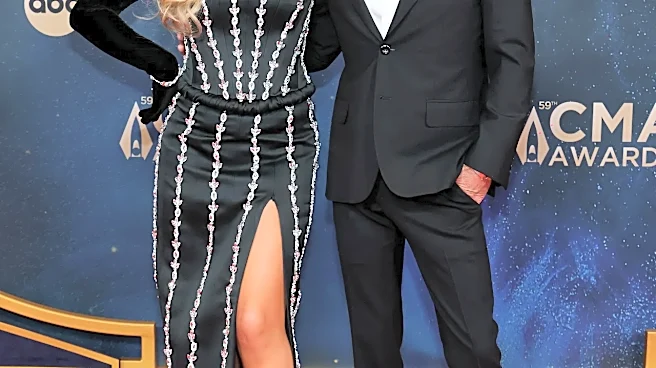
Today, the CMA Awards are a high-gloss, multi-platform spectacle. As seen with the 2026 show, it's an evening defined by social media-ready moments, unexpected collaborations across genres, and a blend of legacy tributes and celebrations of new-guard artists like Lainey Wilson and Zach Top, who dominated recent ceremonies. The show now competes not just for television ratings but for viral buzz, with performances engineered to be shared and discussed online moments after they happen. While still peer-voted and considered country's most prestigious honor, the ceremony has fully embraced its role as a major entertainment event, proving that from a simple banquet, a global phenomenon can grow.