


The Modern Red Carpet Staple
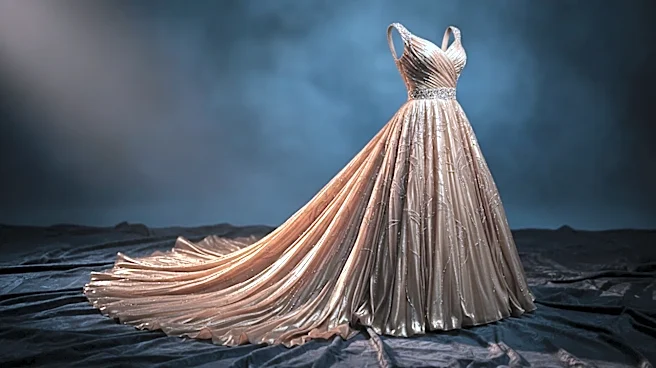
It’s a silhouette known by many names: the mermaid, the fishtail, or the trumpet. The style is defined by a form-fitting gown that hugs the body from the chest to the knee, before flaring out into a dramatic skirt. This design is a perennial favorite
at the Golden Globes, chosen by stars looking to make an unforgettable entrance and celebrate their curves. Think of actresses like Christine Baranski in a classic black velvet mermaid gown in 1997 or Sarah Hyland and Francia Raisa in their own stunning versions decades later. The silhouette’s power is in its ability to create an instant hourglass figure, blending sensuality with high-fashion elegance, making it a go-to for one of Hollywood's biggest nights.
A Flashback to 1950s Couture
Long before it was a modern red carpet fixture, the mermaid silhouette was taking shape in the exclusive world of mid-century haute couture. The 1950s were a golden age of structured, architectural fashion, and designers like Charles James were its masters. James, known as "America's First Couturier," was celebrated for his complex, sculpted ball gowns that transformed the female form. His famous "Butterfly" and "Clover Leaf" gowns, while more voluminous, played with the same core idea: a tightly controlled torso that erupts into a dramatic, engineered skirt. One of the most direct precursors was a dress featured in a 1950 issue of Vogue, which showcased a model in a form-fitting gown with a flared hem that captured the imagination of Hollywood and cemented the style's popularity. Actresses of the era, from Marilyn Monroe to Rita Hayworth, adopted the look, drawn to its celebration of feminine power.
The Original Silver Screen Slink
To find the true origin of this body-conscious style, however, you have to rewind even further to the 1930s. This was the era of Old Hollywood glamour, a time when costume designers sought to provide an escape from the Great Depression with dazzling, sophisticated fashion. French designers like Madeleine Vionnet and Marcel Rochas were pioneers of the look. Vionnet was celebrated for her use of the bias cut—a technique of cutting fabric diagonally that allows it to cling and drape over the body like liquid. Rochas is often credited with popularizing the first true mermaid gowns on haute couture catwalks around 1930. On screen, no one embodied this slinky, sensuous style more than Jean Harlow. In films like "Dinner at Eight," her iconic, shimmering satin gowns designed by Adrian became legendary, blurring the line between evening wear and lingerie and creating a blueprint for bombshell style for decades to come.
Why This Silhouette Endures
The mermaid gown's journey from 1930s silver screen to the modern Golden Globes red carpet is a testament to its timeless appeal. So why does it have such staying power? The answer is twofold. First, it’s a masterclass in flattering design. The silhouette is intentionally crafted to accentuate curves, creating a dramatic and celebrated hourglass shape that exudes confidence. Second, it’s pure Hollywood. The style is inherently theatrical, promising a grand entrance and a memorable moment, which is exactly what stars and audiences expect from an A-list awards show. It taps into a fantasy of glamour that connects directly back to the industry's own golden age. Each time an actress steps out in a mermaid gown today, she isn't just wearing a beautiful dress; she's channeling nearly a century of cinematic history, from Jean Harlow’s audacious shimmer to the sculptural elegance of 1950s couture.