
The Anatomy of a Formal Look
Think of a formal outfit—a sharp suit or a classic tuxedo—as a complete system. Every component, from the lapel width to the break of the trousers, is designed to work in harmony. The goal is to create a clean, elegant, and uninterrupted visual line that
projects confidence and respect for the occasion. In this system, your shoes aren't just an accessory; they are the foundation. They anchor the entire look, and if that foundation is cracked, the whole structure becomes unstable. Many people invest heavily in the suit itself but treat their footwear as an afterthought. This is where the problem begins, because in the world of formalwear, your shoes speak just as loudly as your tailoring.
The Single Most Common Mistake
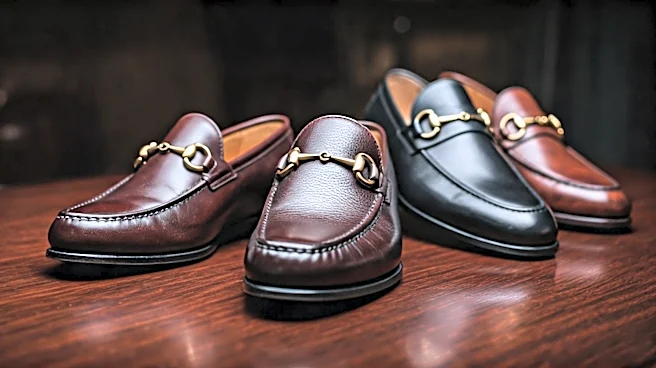
The single biggest mistake is a mismatch in formality. Specifically, it’s wearing shoes that are too casual, clunky, or poorly maintained for the sophistication of the suit or tuxedo they’re paired with. This error can manifest in several ways. It might be the square-toed, chunky-soled dress shoes from the late '90s that refuse to disappear. It could be wearing workhorse loafers or heavily brogued wingtips with a tuxedo. More often than not, it’s simply wearing a pair of worn-out, scuffed, and unpolished dress shoes that look like they’ve seen better days. Even if the style is technically correct, poor condition telegraphs a lack of care that instantly cheapens the rest of the outfit. The eye is naturally drawn to the dissonance, the one piece of the puzzle that just doesn't fit.
Why This Mismatch Ruins the Vibe
Why does it matter so much? Because formalwear is a language of detail. Wearing the wrong shoes broadcasts that you don't quite understand the dialect. A sleek, modern suit is all about clean lines and a slim silhouette. Pairing it with bulky, rubber-soled shoes breaks that line and makes the entire ensemble feel clumsy and bottom-heavy. It’s like putting truck tires on a sports car—it disrupts the intended design and function. Furthermore, it undermines the investment you’ve made. A $1,500 suit paired with scuffed, inappropriate shoes suddenly looks like a rental. It signals to others that the effort stopped at your ankles, suggesting a lack of attention to detail that can, fairly or not, be projected onto your personality or professionalism.
The Foolproof Fix: The Right Shoe Hierarchy
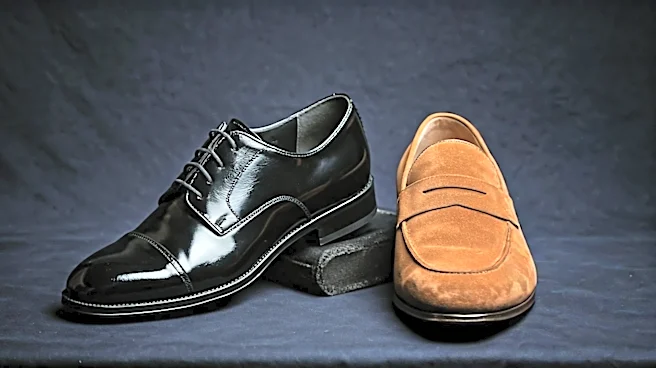
Avoiding this mistake is simpler than you think. It's about owning the right pair and knowing when to wear them. For true formalwear, the rules are clear. **For Black Tie (Tuxedos):** The gold standard is a patent leather Oxford. Its high-gloss shine is designed to complement the silk or satin details on a tuxedo. A very close second is a pair of immaculately polished, black cap-toe Oxfords. Nothing else will do. **For Business Formal (Dark Suits):** Your go-to is the classic cap-toe Oxford in black or a very dark brown. An Oxford is defined by its “closed lacing” system, where the shoe’s quarters are stitched under the vamp, creating a sleek, clean look. This makes it inherently more formal than a Derby, which has “open lacing” and looks slightly more casual. While a dark brown Oxford can work with a navy or charcoal suit, a black cap-toe Oxford is the most versatile and foolproof formal shoe you can own.
Don't Forget Polish and Care
Finally, even the perfect shoe is imperfect if it's not cared for. Before any formal event, your shoes need attention. This doesn't mean a quick swipe with a dusty brush. It means a proper cleaning and polishing. A good polish not only creates a sophisticated shine but also nourishes the leather, covering minor scuffs and making the shoes look new. For a mirror shine, especially on the toe cap, you might even consider a professional shoeshine. It's a small investment of time or money that pays huge dividends. And always use wooden shoe trees; they absorb moisture, prevent creasing, and help your shoes maintain their shape for years. A well-cared-for pair of quality dress shoes is not an expense, but an investment that safeguards the integrity of every formal outfit you wear.