






1. They Are the Center of the Drama
In a sport defined by constant motion and fluid play, the goalkeeper is a fixed point of tension. While a striker might get three or four real chances in a game, a keeper faces moments of extreme, isolated pressure that are instantly understandable to
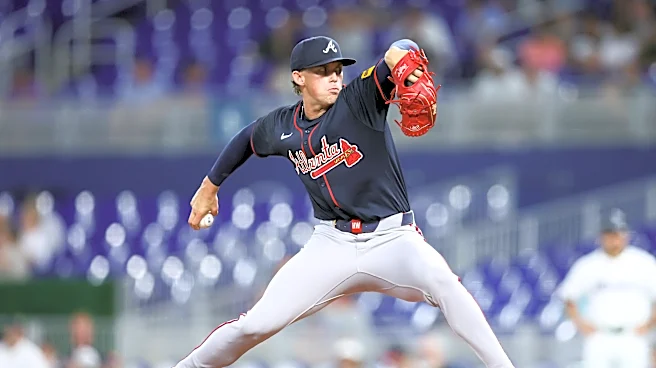
any sports fan. Think of a baseball pitcher with the bases loaded or a quarterback on 4th and goal. That’s a goalkeeper facing a penalty kick. It’s a pure, one-on-one psychological battle where the fate of the game rests on a single guess, a single explosive movement. Even a routine save is a mini-drama: the desperate lunge, the fingertip deflection, the smothering of a loose ball in a chaotic penalty box. These aren’t just defensive actions; they are narrative climaxes happening every few minutes, turning a potential 0-0 draw into a masterclass in survival.
2. They Are the On-Field General
New fans often follow the ball, watching it pinball between 20 outfield players. But the goalkeeper sees the whole picture. They are the only player on the pitch with a panoramic view of the game's shape, and their job isn't just to react but to command. Watch them. You’ll see them constantly shouting, pointing, and repositioning their defenders. They are the field general, the defensive coordinator who spots tactical weaknesses before they become dangerous. They read the developing play and organize the wall on a free kick, deciding the angle and number of players. In the modern game, this role has expanded even further. The ‘sweeper-keeper’ acts as an 11th outfield player, coming far off their line to intercept through-balls and starting attacks with pinpoint passes. This proactive, strategic element adds a layer of chess to the beautiful game.
3. They Possess a Unique Athleticism
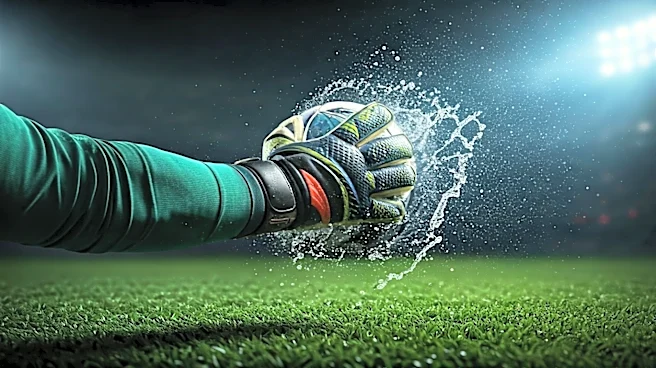
Goalkeepers are some of the most unique athletes in all of sports. They need the explosive vertical leap of a volleyball player, the hand-eye coordination of a shortstop, and the sheer bravery of a boxer. They are built for short, violent bursts of movement. One second they are stationary, the next they are flying horizontally through the air to palm away a shot destined for the top corner. They have to be fearless, willing to dive at the feet of an oncoming striker and risk a cleat to the face to protect their goal. This combination of agility, power, and courage is unlike any other position. Appreciating the specific, almost superhuman reflexes required to stop a 90-mph rocket from 10 yards away gives you a new respect for the physical demands of the sport.
4. They Are the Game's Emotional Barometer
If you want to understand the emotional stakes of a match, ignore the stoic midfielder and watch the keeper. Their reactions are pure and unfiltered. The primal roar after a game-saving stop in stoppage time; the lonely, slumped dejection after a soft goal slips through their hands; the frantic urgency as they race to take a goal kick in the dying seconds. The goalkeeper’s body language tells the entire emotional story of their team. A confident, commanding keeper can spread calm through a rattled defense. A nervous one can transmit panic. They bear the most personal responsibility for a goal conceded and often experience the most profound elation from a victory saved. They are the protagonist in a 90-minute emotional arc.