




More Than Just a Game
For much of America, the Super Bowl is the ultimate sporting event. But for millions of first- and second-generation immigrants, the World Cup (or a continental tournament like the Euros or Copa América) is something more profound. It’s not just a championship;
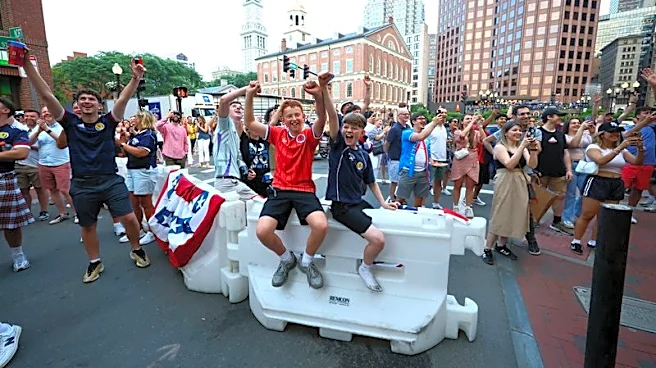
it’s a month-long festival of national identity, a vibrant, public expression of heritage that can sometimes feel muted in the day-to-day. Unlike the localized rivalries of American sports, this tournament is about global pride. When Brazil or Mexico or Nigeria plays, it’s a chance for diasporas to connect with their roots on a grand, emotional scale. The game becomes a conduit for memory, nostalgia, and community, played out not just on screens but in the streets, bars, and restaurants of their adopted home.
The Neighborhood as Stadium
This cultural energy isn’t spread evenly; it concentrates in specific urban pockets, temporarily re-christening them. During the Cup, Astoria in Queens doesn't just feel Greek; it becomes an extension of Athens, with bakeries packed for morning matches. Newark’s Ironbound district transforms into a sea of canary yellow and green, its Brazilian restaurants and cafes overflowing onto the sidewalks. In Los Angeles, Koreatown buzzes with an electric energy, while Mexican-American neighborhoods from Boyle Heights to East L.A. become epicenters of green, white, and red. These neighborhoods function as informal, open-air stadiums. The sounds of commentators in Spanish, Portuguese, or Arabic spill from open doorways, car horns celebrating a goal become part of the city’s score, and flags fly from apartment windows and storefronts, creating a visible geography of fandom.
A Culinary Kick-Off
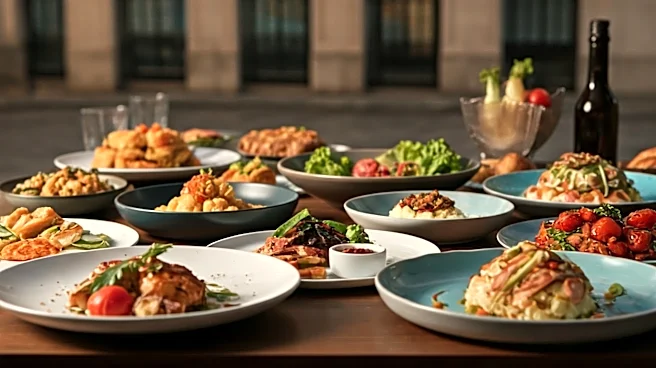
At the heart of this transformation is food. It’s the fuel for the celebration and the most accessible entry point into the culture. Restaurants, cafes, and bakeries become the primary viewing venues. An Argentinian spot in Miami might run specials on Quilmes beer and empanadas. A German beer hall in Chicago suddenly becomes the hottest ticket in town, serving bratwurst and hefeweizen to fans decked out in Germany kits. It’s a sensory immersion. You’re not just watching the game; you’re tasting it. You're sharing grilled picanha with fellow Brazil fans, biting into a flaky meat pie alongside English supporters at an Irish pub that’s become their temporary home, or grabbing a pre-game espresso at an Italian cafe that has been in the neighborhood for 50 years. These establishments don't just show the game; they curate an experience, offering a taste of home to those who miss it and a taste of the world to those who are curious.
The Business of Belonging
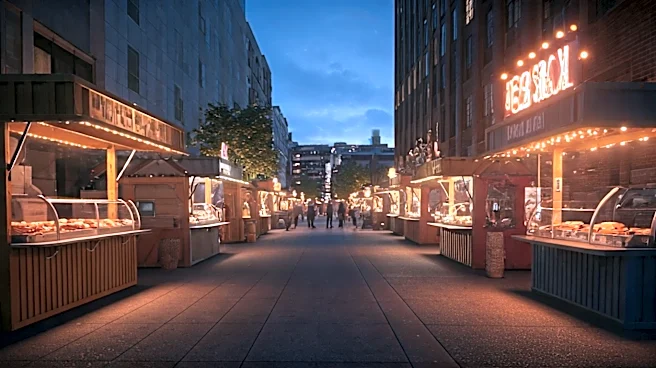
For these local businesses, the tournament is a massive, if brief, economic windfall. Owners often extend hours, opening at 8 a.m. for a European match or staying open late for a South American showdown. They invest in more screens, better sound systems, and patriotic decorations. It’s a marketing opportunity born from genuine passion. A restaurant owner who is also a die-hard fan creates an atmosphere that no corporate sports bar can replicate. This authenticity is the draw. Customers aren't just paying for food and a screen; they're paying for the atmosphere, the collective joy and agony, and the feeling of being part of something bigger. It’s a beautiful, symbiotic relationship where supporting your team and supporting a local, immigrant-owned business become one and the same.