





David Beckham: The Pariah to The Prodigal Son
The year is 1998. England is locked in a tense World Cup knockout match against arch-rival Argentina. A young, prodigiously talented David Beckham is lying on the pitch after a foul from Diego Simeone. In a moment of petulance, Beckham flicks a leg out at Simeone,
who theatrically collapses. The referee flashes a red card. Down to 10 men, England would eventually lose on penalties, and a nation needed a scapegoat. Beckham, the rising star of English football, became public enemy number one. He was vilified by the press and faced abuse from his own supporters. For years, he carried the weight of that red card. But football, as it often does, offered a shot at redemption. Four years later, at the 2002 World Cup, England faced Argentina again. This time, Beckham was the captain. On the stroke of halftime, England was awarded a penalty. The pressure was immense. With the memory of '98 hanging over him, Beckham stepped up and smashed the ball into the net, scoring the only goal of the game. In that one kick, four years of blame were exorcised. He wasn't just forgiven; he was a national hero once more.
Zinedine Zidane: Redemption Within 90 Minutes
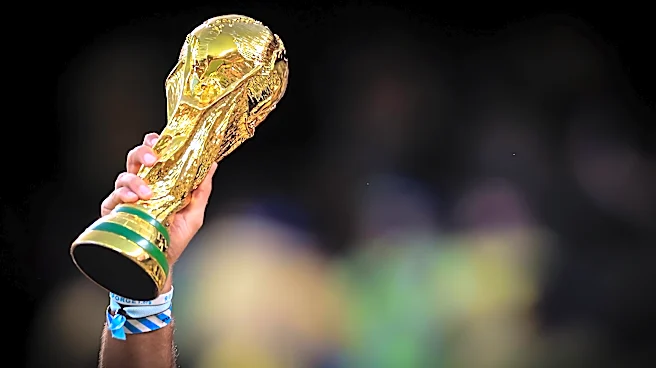
Zinedine Zidane’s story is unique because his journey from blame to respect happened within the same tournament. During the 1998 World Cup, which France was hosting, Zidane was the team's creative genius. But in the second group stage match against Saudi Arabia, he was sent off for stamping on an opponent. As the host nation’s star player, it was a moment of shocking indiscipline. He was handed a two-match ban, and the French public worried that their best player's temperament could cost them their dream. His team managed to win without him, but his return was eagerly anticipated. And what a return it was. In the World Cup Final against the mighty Brazil, Zidane put the earlier transgression behind him. He rose to the occasion in spectacular fashion, scoring two powerful headers from corner kicks to give France a commanding lead. France went on to win 3-0, securing their first-ever World Cup. The man who had been a liability just weeks earlier was now the hero of the nation, his red card forgotten and replaced by the image of him lifting the trophy.
Lionel Messi: The Long Road to Glory
For nearly two decades, Lionel Messi’s career had an asterisk for many Argentinians. Despite being arguably the greatest player of all time and winning everything at the club level, he couldn't deliver a major trophy for his country. The blame was often relentless. After losing the 2014 World Cup final to Germany, followed by consecutive Copa América final losses in 2015 and 2016, the criticism reached a fever pitch. Messi was accused of not caring enough, of not having the same passion for the national shirt as he did for his club. He even briefly retired from the national team in 2016, worn down by the pressure. But he returned, and the long, painful road to redemption began. It culminated in 2022 in Qatar. Leading his team with a fire many critics said he lacked, Messi was magical throughout the tournament. He scored seven goals, including two in what is considered one of the greatest finals in history against France. When the final penalty was scored in the shootout, the weight of a nation was lifted from his shoulders. At 35, he had finally delivered the World Cup to Argentina, silencing all doubters and turning years of blame into eternal respect.