
A Revolution in a Bottle
When Gabrielle "Coco" Chanel launched her first perfume in 1921, she wasn't just selling a scent; she was selling a modern ideal. At the time, respectable women wore fragrances that smelled of a single flower, while more provocative scents were associated
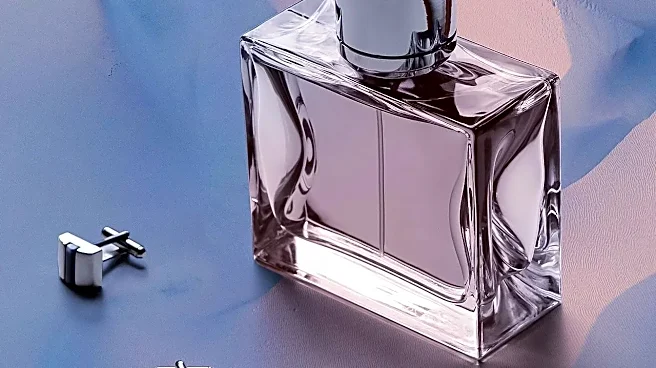
with courtesans. Chanel wanted something entirely new for the liberated spirit of the 1920s flapper. She commissioned perfumer Ernest Beaux, who presented her with numbered samples. She chose the fifth, not just for the number's personal luck, but for its revolutionary composition. It was one of the first abstract fragrances, using a heavy dose of aldehydes—synthetic compounds that gave it a sparkling, clean, and complex character unlike any single flower. Paired with an equally revolutionary bottle—a minimalist, almost clinical flask that stood in stark contrast to the ornate designs of the day—No. 5 was positioned from day one as something different and modern.
From Word-of-Mouth to Global Icon
The initial marketing was itself an act of quiet luxury. Chanel didn't run massive ad campaigns; instead, she generated buzz by gifting bottles to elite friends and spritzing it in her boutiques. The goal was to create an air of exclusivity. But the fragrance truly became a global phenomenon after World War II, when American GIs bought it in droves to bring home to their sweethearts. This introduced No. 5 to the American middle class. Then came the moment that money couldn't buy. In a 1952 interview, Marilyn Monroe famously revealed she wore "five drops of Chanel No. 5" and nothing else to bed. This single, unsolicited endorsement cemented the perfume’s status as a legend, forever linking it to glamour and sensuality in the public imagination.
The Strategy of Scarcity
By the 1960s and 70s, the perfume’s widespread availability began to tarnish its luxurious image. It was sold in thousands of outlets, including drug stores, and its ubiquity made it feel common. In a bold and counterintuitive move, Chanel’s leadership decided to reclaim its elite status. They embarked on a strategy of scarcity, pulling No. 5 from thousands of stores to restore its exclusivity. This was paired with a new wave of aspirational advertising. Instead of just showing the bottle, the campaigns began using high-profile faces like Catherine Deneuve, shot by famed photographer Richard Avedon. The message was clear: this was not just a perfume, but a piece of art, an emblem of sophisticated taste. This strategy of tightly controlling distribution while simultaneously creating spectacular, film-like advertisements became a core part of the brand's DNA.
An Ever-Evolving Legend
Chanel's genius has been its ability to keep a century-old product relevant without fundamentally changing it. The house has consistently invested millions in marketing, creating cinematic ad campaigns with top directors like Baz Luhrmann and famous faces from Nicole Kidman to Brad Pitt, its first male ambassador. Andy Warhol's pop art prints of the bottle in the 1980s further cemented its status as a cultural object, even earning it a place in the Museum of Modern Art's permanent collection. More recently, Chanel has introduced lighter interpretations like 'N°5 L'Eau' to appeal to younger generations, creating a gateway to the original while preserving its integrity. This careful balance of honoring history while winking at the present ensures that Chanel No. 5 is never seen as just a relic of the past, but as a living, breathing icon.