



The Jangle of the Rickenbacker
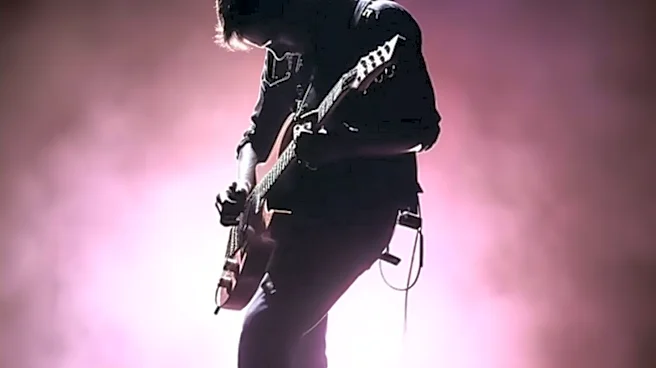
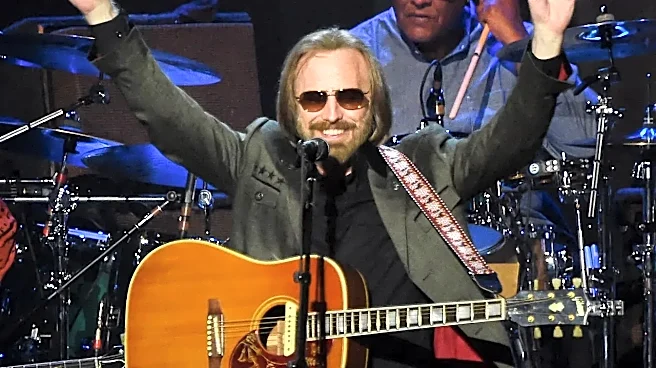
The cornerstone of the Heartbreakers’ sound is the unmistakable chime of a Rickenbacker 12-string guitar. Petty fell in love with the sound after hearing The Beatles and, most notably, The Byrds. The Byrds’ Roger McGuinn practically invented folk-rock
with his Rickenbacker, and Petty absorbed that influence completely. When McGuinn first heard "American Girl," he reportedly joked that he thought it was a song he had recorded and forgotten. Petty made that jangling sound his own, using it to create driving, melodic hooks on songs like "The Waiting" and "Free Fallin'". It wasn’t just a throwback; it was the foundation of a new kind of American rock that was both classic and modern.
A Storyteller's Voice, with a Drawl
While the guitars provided the shimmer, Petty’s voice provided the grit. His distinctive nasal drawl owed a clear debt to Bob Dylan, an influence so pronounced that some listeners initially confused the two. But where Dylan was often cryptic and poetic, Petty was direct and narrative. He was a storyteller for the common person, writing about everyday dissatisfactions, hopes, and heartbreaks in a straightforward way. His Florida roots were always present in his delivery, a Southern accent that grounded his music in a specific place, even as its themes became universal. This blend of folk sincerity and rock and roll swagger made his voice the perfect vehicle for his lyrics.
The Not-So-Secret Weapon: The Heartbreakers
Tom Petty was the frontman, but the sound belonged to the band. The Heartbreakers were not a backup group; they were a cohesive unit with an almost telepathic chemistry. At the center of this was the musical partnership between Petty and lead guitarist Mike Campbell. Campbell was a master of taste and texture, a guitarist who always served the song. He and Petty developed their signature two-guitar attack out of necessity, with Campbell figuring out how to make his six-string sound like a 12-string to complement Petty's rhythm playing. The rhythm section was just as crucial. Benmont Tench’s piano and organ work added melodic layers and emotional depth, coloring songs like "Refugee" with subtle but essential touches. He was the band’s secret melodic weapon. Together, they created a sound that was tight but loose, a well-oiled machine that could still sound like it was playing live in a garage.
An Ethos of Authenticity
In an era of increasing studio slickness, especially in the 1980s, Petty’s production style often leaned toward a more raw, live feel. He wasn’t afraid of imperfections; in fact, he seemed to welcome them as part of the music's character. This ethos came from a deep respect for the classic rock and roll that inspired him—artists who captured a feeling, not just a perfect take. Even when working with a producer known for his pristine sound, like Jeff Lynne of ELO, the core of Petty's songwriting and the band's organic energy remained intact. That commitment to simplicity and honesty meant his records rarely sounded dated. They were built on the timeless foundation of great songs played by a great band, a formula that’s deceptively simple and incredibly hard to replicate.